
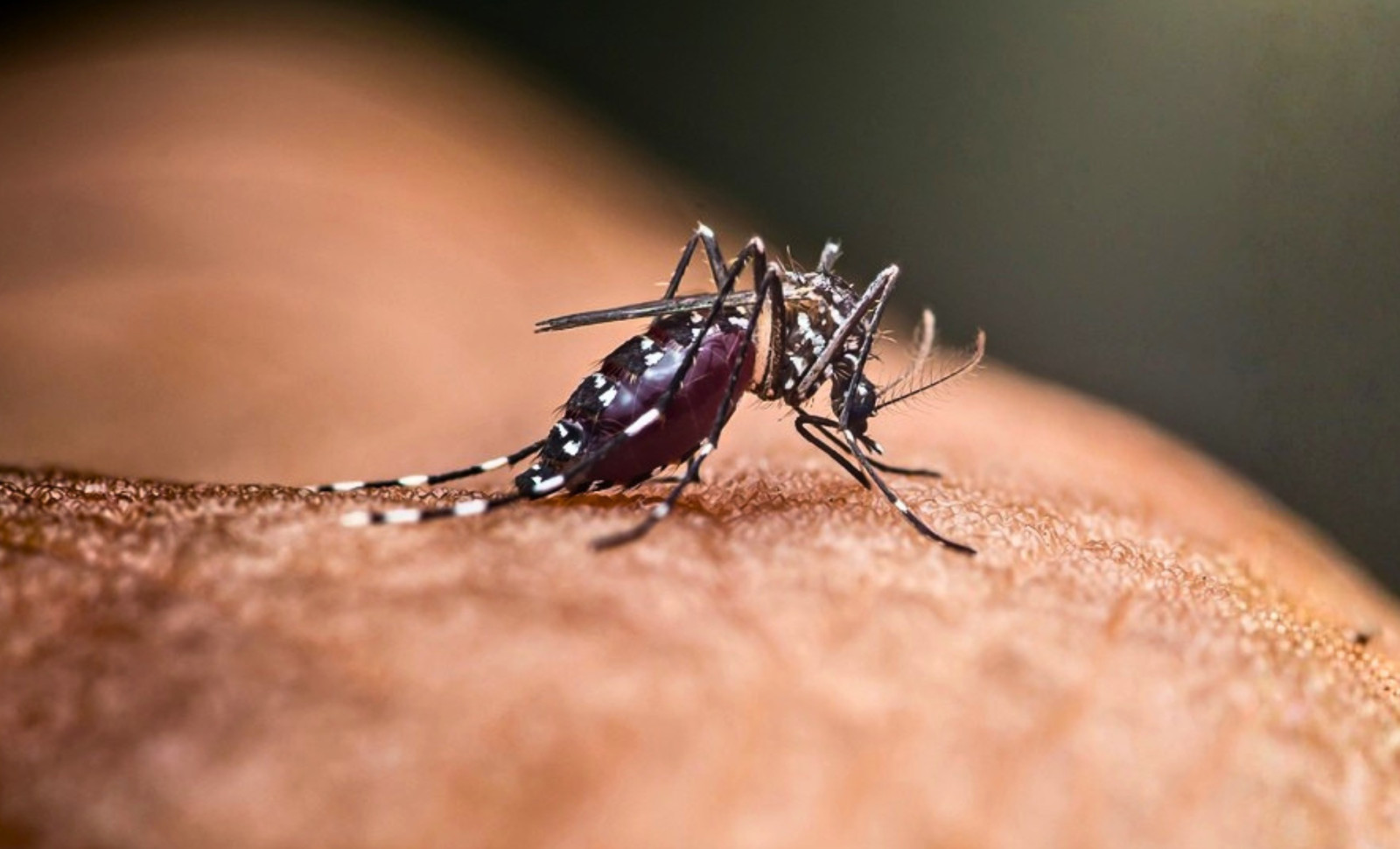
For years, Icelandic researchers faced the persistent question: why does Iceland remain free of mosquitoes? Travelers and scientists alike wondered. The prevailing explanation focused on the island's unpredictable winters. Mosquito larvae would begin developing during brief warm spells but freeze when temperatures dropped again, interrupting their growth cycle. This kept the country free of mosquitoes for generations.
That understanding was upended in October 2025. On a farm named Kiðafell in western Iceland’s Kjós area, Björn Hjaltason placed a simple red wine bait designed for moths. At twilight on October 16, he spotted movement that seemed unusual. “I noticed a strange fly clinging to the lure,” he recalled. “I immediately suspected what it was and quickly captured a female mosquito.”
Within days, two additional mosquitoes were found—one male and one female. Hjaltason sent the trio to the Natural Science Institute of Iceland. Entomologist Matthías Alfreðsson identified them as Culiseta annulata, a large mosquito species common across Europe and northern regions, known for tolerating cold climates. This represented the first documented case of wild mosquitoes living in Iceland.

A Natural Barrier Overcome
Cold temperatures were long thought to keep mosquitoes out. Greenland, for example, shelters Aedes nigripes mosquitoes whose pupae hibernate beneath ice until thaw. Iceland’s challenge was different, as winters fluctuated dramatically. Occasional warmth would activate mosquito eggs or larvae, only for a sudden freeze to stop their maturation. This cycle effectively eliminated mosquito populations for centuries, biologist Gísli Már Gíslason explained in a widely referenced study on Iceland’s mosquito absence.
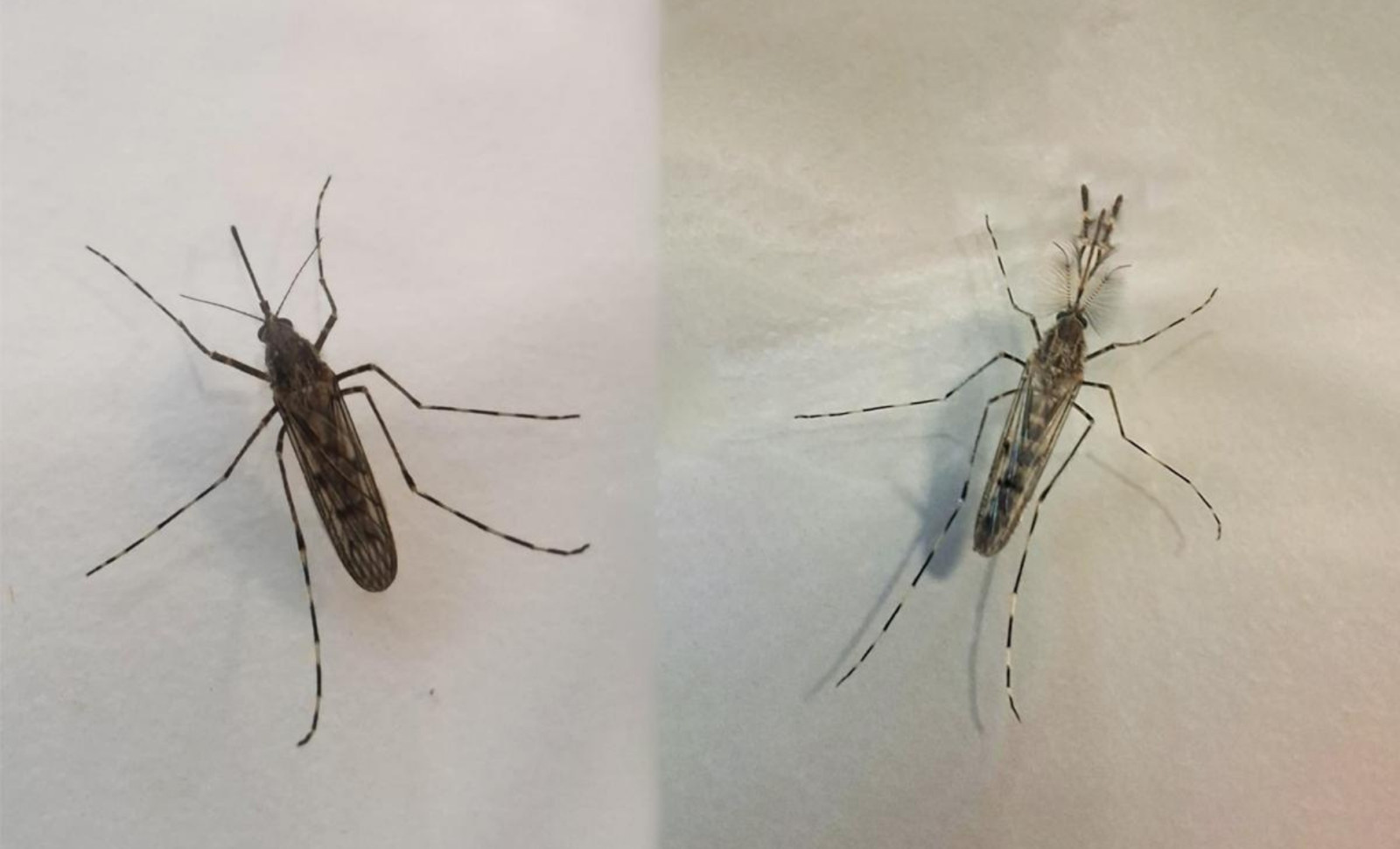
Unlike other mosquitoes, Culiseta annulata avoids this freeze-thaw trap by overwintering as adults inside human-made shelters such as basements, barns, and sheds. In these protected environments, they remain dormant until conditions are favorable, emerging fully capable of flight and feeding, independent of stable outdoor temperature cycles.
With this discovery, Iceland joins a dwindling group of mosquito-free regions. Only Antarctica remains completely free of mosquitoes on Earth.
Warming Climate and Global Trade Open Doors
2025 was an unusually warm year for Iceland. On May 15, Egilsstaðir Airport recorded 26.6°C (about 79.9°F), with much of the country experiencing temperatures nearly 10°C above average. The Arctic is warming at around four times the rate of the global average, easing conditions for mosquitoes to survive.
Still, temperature rise alone doesn't explain how mosquitoes traversed hundreds of kilometers over open ocean. The Natural Science Institute suspects cargo shipping as the main vector, with mosquitoes, eggs, or larvae hitching rides in freight containers or vehicles. While mosquitoes have been reported arriving on planes from Greenland before, these instances did not lead to established populations. The recent outdoor captures suggest a self-sustaining group.
The institute predicted this breakthrough for years. Iceland’s plentiful wetlands, including marshes and shallow ponds, provide excellent breeding grounds. The missing factor was a species able to survive the island’s winter climate. That species has now arrived.
A Manageable Pest Instead of a Health Threat
The Culiseta annulata mosquito is a biting insect but doesn’t carry diseases such as dengue, chikungunya, or Zika virus. In northern Europe, it is mainly viewed as an annoying outdoor pest rather than a public health hazard.
This is an important distinction because other mosquito species with disease vector potential, like the Egyptian mosquito and Asian tiger mosquito, have expanded into nearby regions like the United Kingdom. Their presence demands vigilance. Iceland’s new mosquito resident does not currently pose similar concerns.

Still, the introduction is significant. It underscores a growing trend of insect species moving into Iceland, propelled by a warming climate and increasing global transport. Each new arrival challenges the island’s ecological resilience.
Monitoring Mosquito Expansion
Researchers now wonder whether these three mosquitoes represent an established population or isolated newcomers. Given the species’ adaptations, survival through Iceland’s winters is feasible if suitable shelters and reproduction sites are available. The institute has yet to confirm a breeding population.
They are requesting public assistance to track spread. Anyone spotting mosquitoes elsewhere in Iceland is encouraged to take photos or collect specimens and send them to the institute. More sightings would confirm expansion beyond Kiðafell, while a lack of additional finds could mean the individuals were a single accidental introduction.
This discovery marks a new chapter for Iceland. The nation’s public broadcaster RÚV verified the species identification, and the country once known as mosquito-free now hosts a species well-known worldwide.
- Categories:
- News






0 comments
Sign in to Comment