
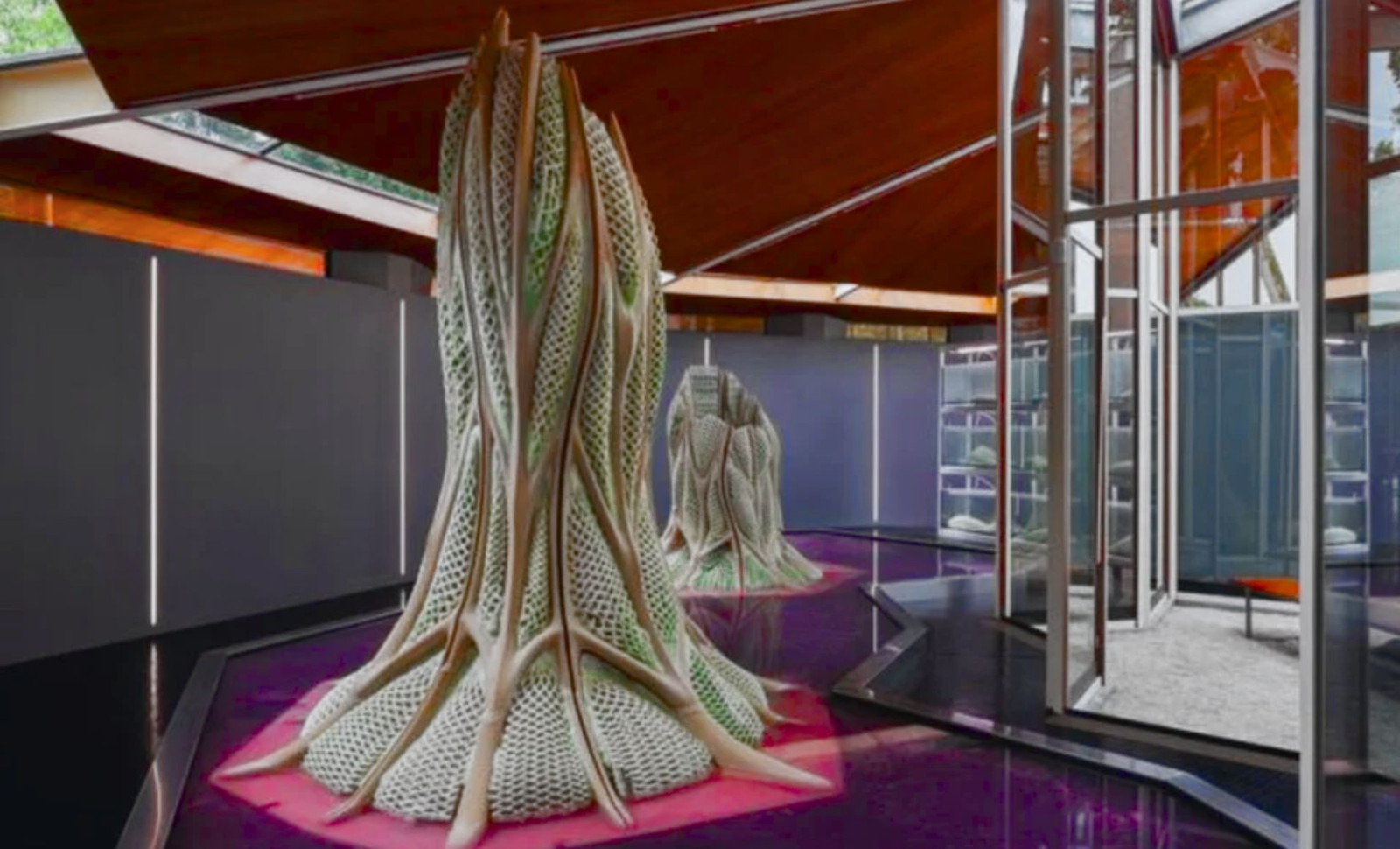
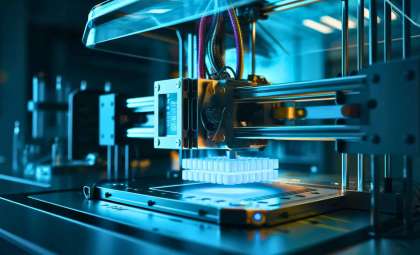
Inside the Canada Pavilion at the 2025 Venice Architecture Biennale, caretakers will nurture an extraordinary creation for nine months: the walls themselves. Named Picoplanktonics, this installation features 3D-printed architectural elements infused with living cyanobacteria, which require carefully balanced light, humidity, and temperature to thrive. The installation’s success hinges on the survival of these organisms.
Meanwhile, in a controlled laboratory environment not bound by exhibition schedules, scientists have monitored similar cyanobacteria embedded within a hydrogel for over 400 days. Their findings, published in Nature Communications, reveal a dual carbon capture mechanism where the encapsulated microbes continuously absorbed carbon dioxide throughout the year, requiring only nutrient replenishment.
Rather than simply surviving, these microbes actively altered their environment by producing calcium carbonate, which accumulated within the hydrogel and could strengthen the material over time.

Two Biological Processes Drive Carbon Sequestration
The research described in Nature Communications highlights two simultaneous carbon capture pathways in the cyanobacteria-infused hydrogels. First, the Synechococcus sp. strain PCC 7002 cells grow and convert atmospheric CO₂ into organic compounds via photosynthesis. Second, they induce carbonate precipitation by creating alkaline conditions that trigger dissolved calcium and magnesium ions to form insoluble carbonate minerals.
Measurements revealed that the living hydrogels captured 2.2 ± 0.9 milligrams of CO₂ per gram within the initial 30 days, increasing to a total of 26 ± 7 milligrams per gram over 400 days. The hydrogel itself is made from Pluronic F-127 modified with urethane methacrylate, enabling both extrusion-based 3D printing and photochemical crosslinking for enhanced durability. Light transmission through the hydrogel was measured at 76 ± 3 percent before bacteria insertion, dropping to roughly 30 percent once the microbes were encapsulated.
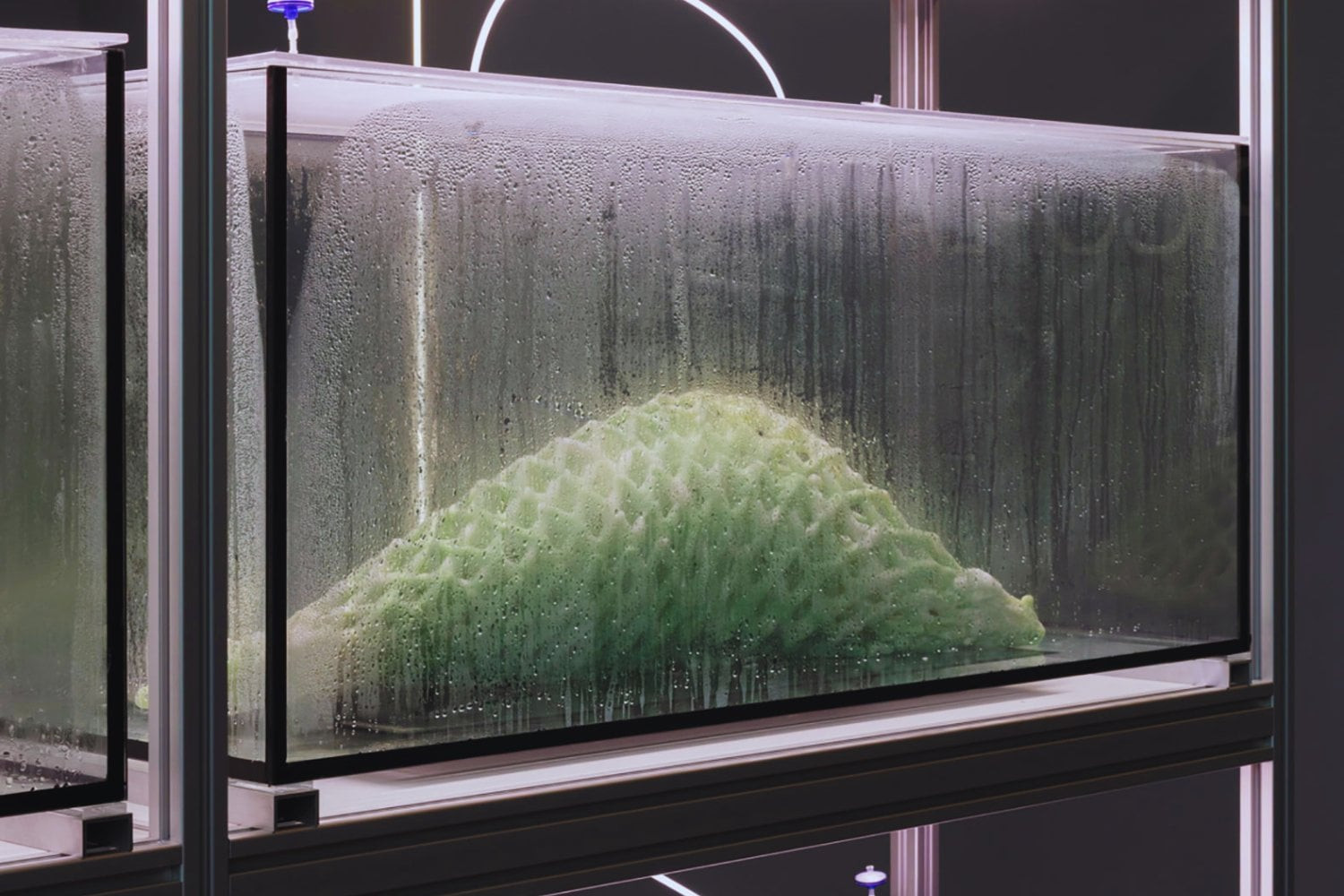
Calcium staining confirmed gradual mineral buildup throughout the hydrogel during incubation, while control samples without cyanobacteria showed none. The mineral layer not only enhances the mechanical strength of the living material but also locks away carbon in a more stable form than biomass alone.
Testing Structural Limits at the Venice Biennale
The Picoplanktonics exhibit at the Venice Biennale, covered by ArchDaily in May 2025, is believed to be the largest architectural installation made from living materials, as stated by the Canada Council for the Arts. Created over four years by the Living Room Collective, a multidisciplinary team of architects, scientists, and educators, the project utilizes a biofabrication platform from ETH Zürich to 3D print living materials on a building scale.
The pavilion is specially adapted to sustain the biological needs of the cyanobacteria, with caretakers dedicating their efforts on-site through the exhibition’s run until November 23, 2025. This emphasizes the importance of ongoing care in maintaining living architectural components.
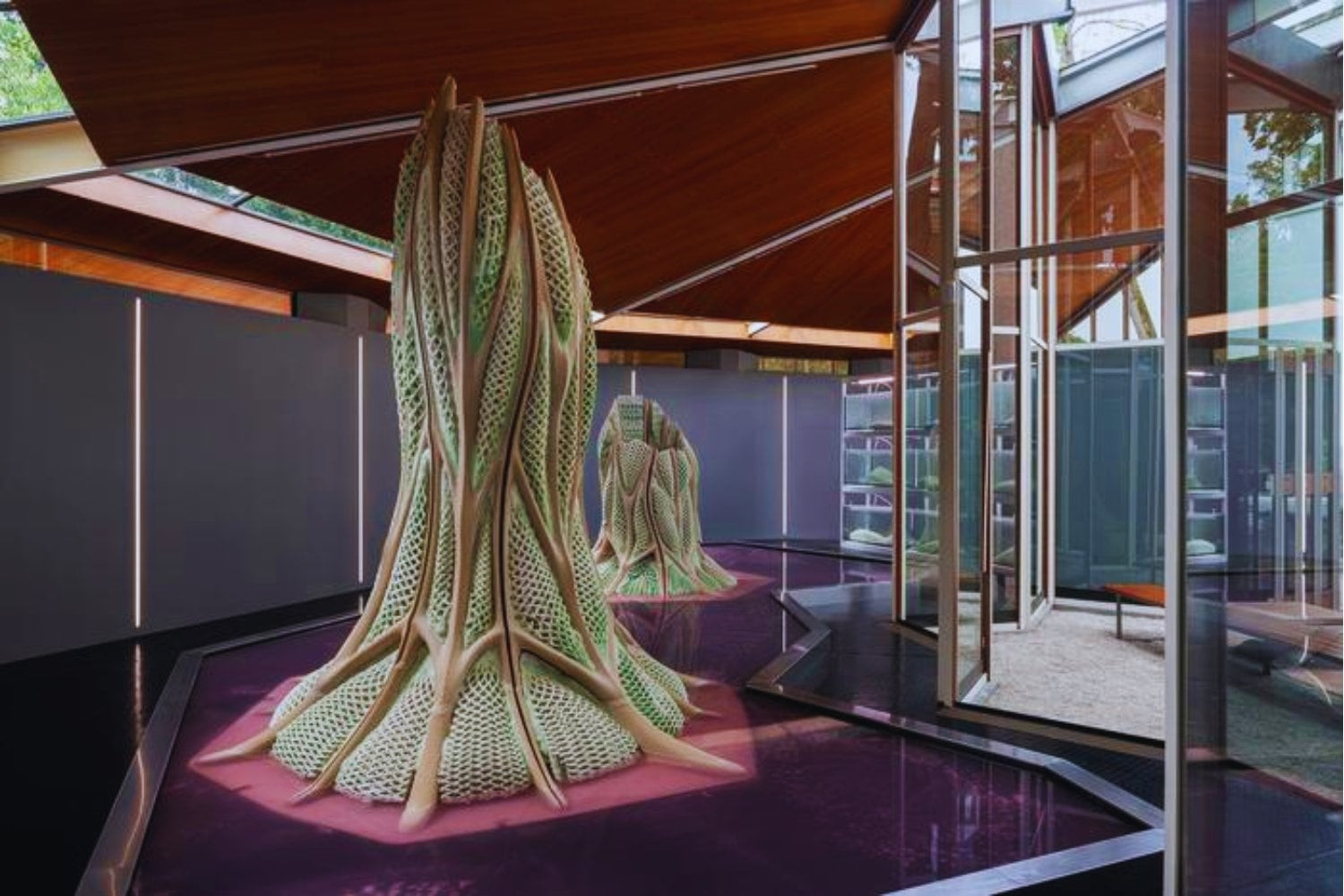
Andrea Shin Ling, the Canadian architect and biodesigner spearheading the collective, explained that the project explores the possibilities of co-creating built environments with living organisms. The goal is to shift away from resource-extractive production models by adopting design processes inspired by nature.
These structures function as both a practical showcase and an experimental platform. Because the embedded microbes must remain healthy throughout the installation, the project probes the feasibility of maintaining architectural-scale living materials over extended periods, not just days.
Performance Metrics and Challenges Ahead
Lab results set a benchmark for these living materials in controlled settings but underscore the complexity of scaling such technologies. From the 30-day data, one metric ton of hydrogel could theoretically capture about 2.2 kilograms of CO₂ monthly under ideal light and nutrient conditions. However, achieving a substantial environmental impact would necessitate producing volumes greatly exceeding current manufacturing abilities.
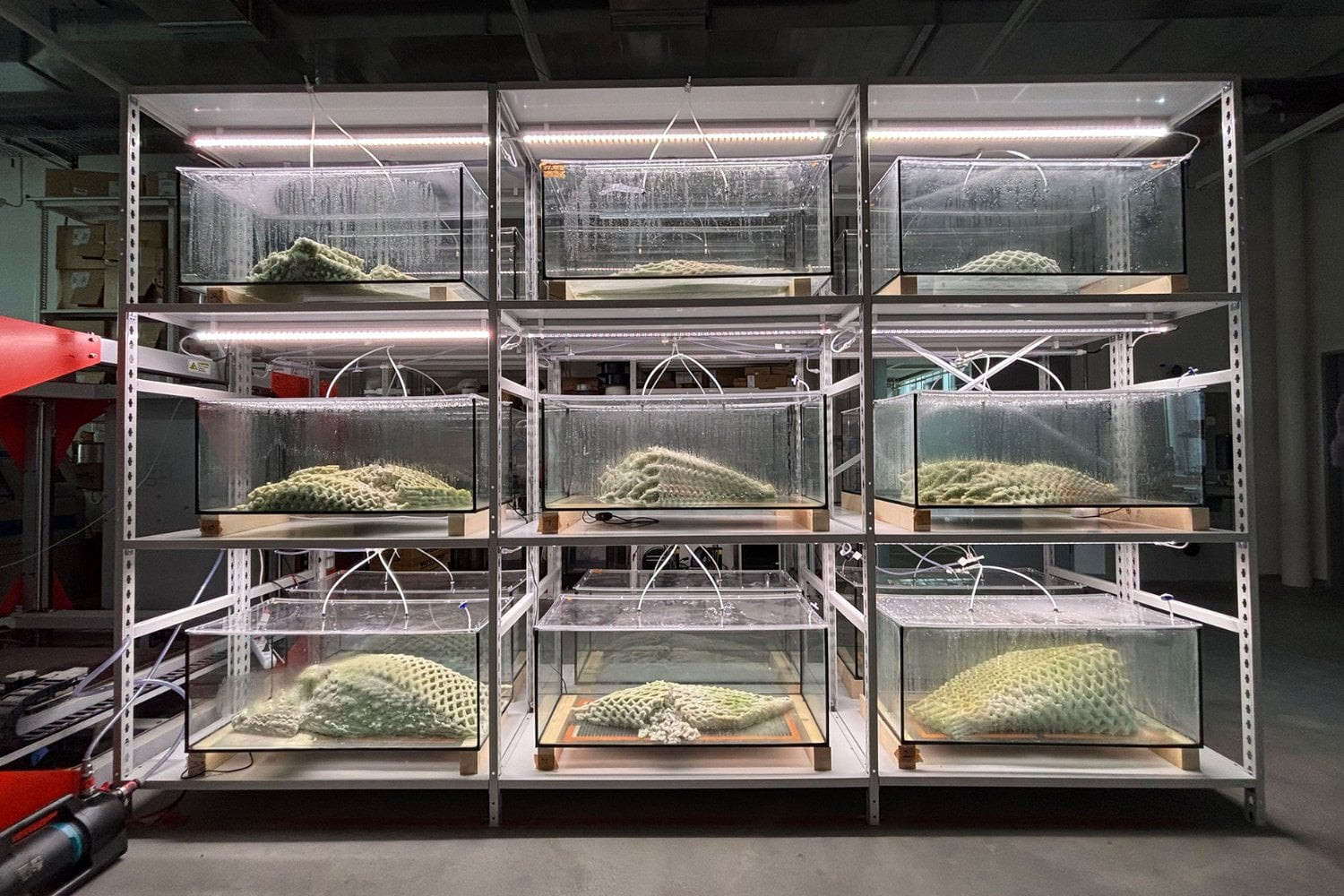
The researchers noted that while biological carbon capture tends to be slower than industrial methods—which require energy-intensive setups and proximity to emissions sources—the advantage of living materials lies in their passivity. Once created and installed, they demand no additional energy input and produce no harmful byproducts.
This contrasts with other bio-based reinforcement techniques. The study points out that ureolytic microbially induced carbonate precipitation, although faster, generates substantial ammonia pollution and needs continuous urea supply. Photosynthetic MICP avoids these drawbacks, being self-sustaining and non-toxic.
Long-Term Material Stability Still Unknown
Neither lab experiments nor the Venice installation fully answer how these living materials will behave across decades. The Nature Communications data showed microbial biomass growth plateauing after around 25 days, implying a balance between growth and death that could limit ongoing carbon capture. Whether periodic harvesting or redesigning structures could prolong sequestration remains uninvestigated.
Moreover, the mineral deposits within the hydrogels provided mechanical reinforcement over time, hinting at potential for self-strengthening construction materials. However, the predictability and engineering reliability of this reinforcement need further long-term studies.
- Categories:
- Science



0 comments
Sign in to Comment