

Researchers have identified a remarkable fossil site hidden beneath the Java Sea, challenging existing ideas about prehistoric life and human habitation in Southeast Asia. The site, located off the northern shores of Java, yielded the region’s first submerged hominin fossils attributed to Homo erectus. These ancient remains, accompanied by bones from more than 30 extinct animal species, reveal a vibrant ecosystem now lost to rising seas.
Beyond its impressive antiquity—dated between 162,000 and 119,000 years ago—this find sheds new light on the vast sunken landmass known as Sundaland. Once connecting regions of Southeast Asia, this area was inundated by ocean waters, concealing an entire chapter in human evolutionary history below the waves.
Underwater Discovery of Human Fossils and Megafauna
During dredging in the Madura Strait, team members from Leiden University confirmed two fossilized fragments of Homo erectus skulls embedded beneath marine sediments. Advanced uranium-series dating pinpointed their origins to the late Pleistocene, roughly between 162,000 and 119,000 years ago.

Alongside these human fossils, more than 6,000 skeletal remains representing at least 36 animal species were recovered. These include Komodo dragons, buffalo, deer, and the extinct Stegodon, a colossal herbivore akin to elephants, painting a detailed picture of the area's prehistoric biodiversity. The comprehensive study, published in Quaternary Environments and Humans via Quaternary Environments and Humans, confirms the site as a thriving late Pleistocene terrestrial habitat.
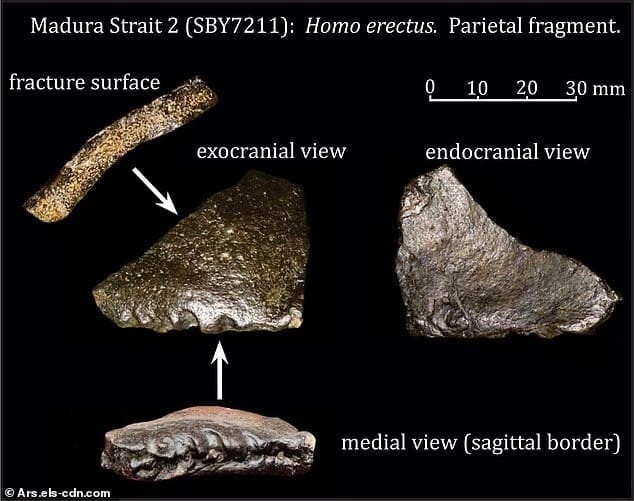
Several animal bones display distinct cut marks, signaling tool-assisted butchering by early humans. This evidence points toward deliberate hunting and meat processing activities. The presence of large grazing species suggests that this submerged landscape once featured open savanna-like environments abundant with diverse fauna, supporting human communities.
A Vanished Continent Beneath the Waves
Geological research has long proposed the existence of Sundaland, a prehistoric landmass linking Indonesia, Malaysia, and surrounding parts of Southeast Asia. During periods of reduced sea levels, this expansive territory provided habitat for early humans. About 14,000 to 7,000 years ago, glacial melting caused sea levels to surge more than 100 meters, submerging significant portions of this land, including the fossil-bearing region.
These new fossils bolster emerging evidence highlighting Southeast Asia’s critical role in human evolution. Researchers determined that Homo erectus occupied a rich ecological niche in coastal Sundaland, potentially persisting in refuges as other hominin populations declined.
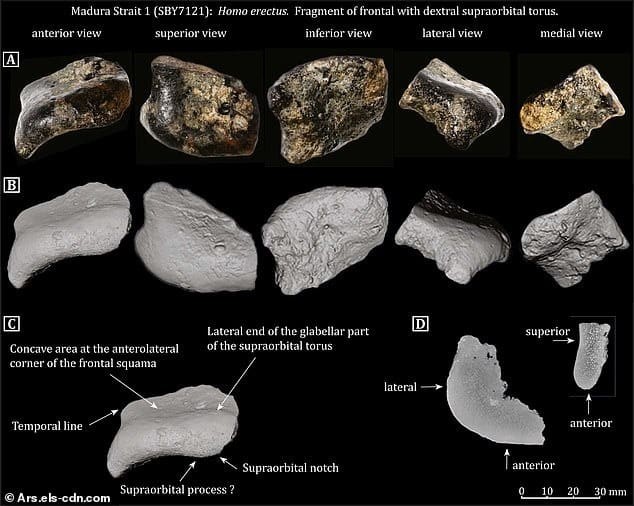
A detailed report accompanying the excavation on Universiteit Leiden News emphasizes the unprecedented nature of this underwater archive. It supports the hypothesis that rich fossil deposits may still lie submerged beneath sea floors, protected by thick sediment layers for millennia.
Expanding Horizons in Underwater Archaeology
Traditionally, fossils related to human origins have been found on land in Africa, Europe, and parts of Asia. However, underwater archaeological research has been limited due to technical complexities and cost. This discovery highlights the potential of shallow marine areas like the Sunda Shelf to preserve valuable clues about early humans and their environments.
These sites offer promising new avenues for studying human ancestry, especially as climate change alters coastlines and human activity accelerates erosion. Scientists stress the urgency for increased underwater exploration to safeguard and unlock these submerged records.
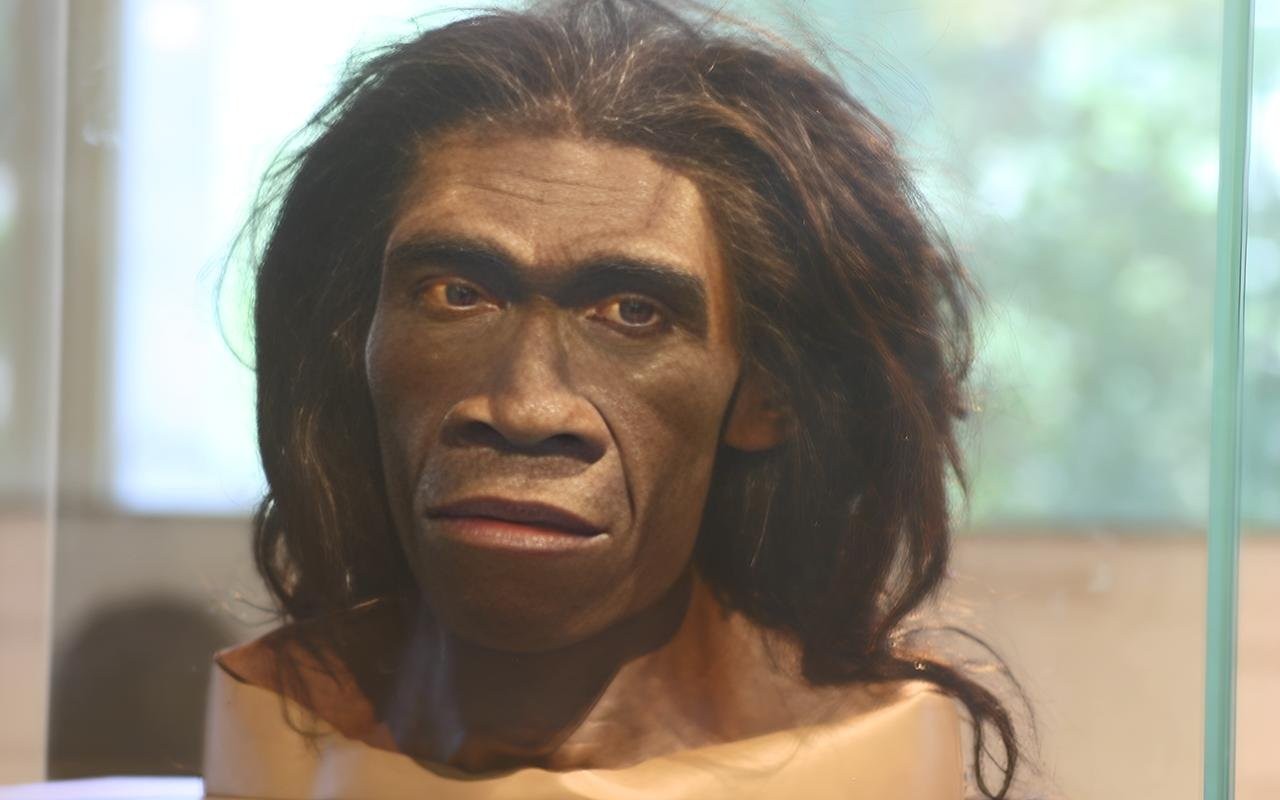
Further analysis of the animal fossils and reconstructed habitat is featured in Archaeology Magazine, highlighting the rarity and exceptional preservation of this Pleistocene underwater site.
Unanswered Questions Beneath the Ocean Floor
This extraordinary find raises significant questions: How long did Homo erectus survive in Southeast Asia? What adaptations enabled their success in coastal landscapes while other groups dwindled? And what other hidden fossil troves might exist beneath submerged terrain?
Findings from this submerged environment suggest that coastal zones, historically overlooked due to inundation, could reveal vital information about late-stage human evolution, responses to climate shifts, and potentially early seafaring behaviors. The sunken plains off Java are emerging as a key missing element in reconstructing the story of humanity’s deep past.
Future exploration will depend on close collaboration between archaeologists, marine scientists, and governmental organizations. The evidence is becoming clear: early humans flourished not only inland but also along coastlines now hidden beneath rising seas.
- Categories:
- Science







0 comments
Sign in to Comment