
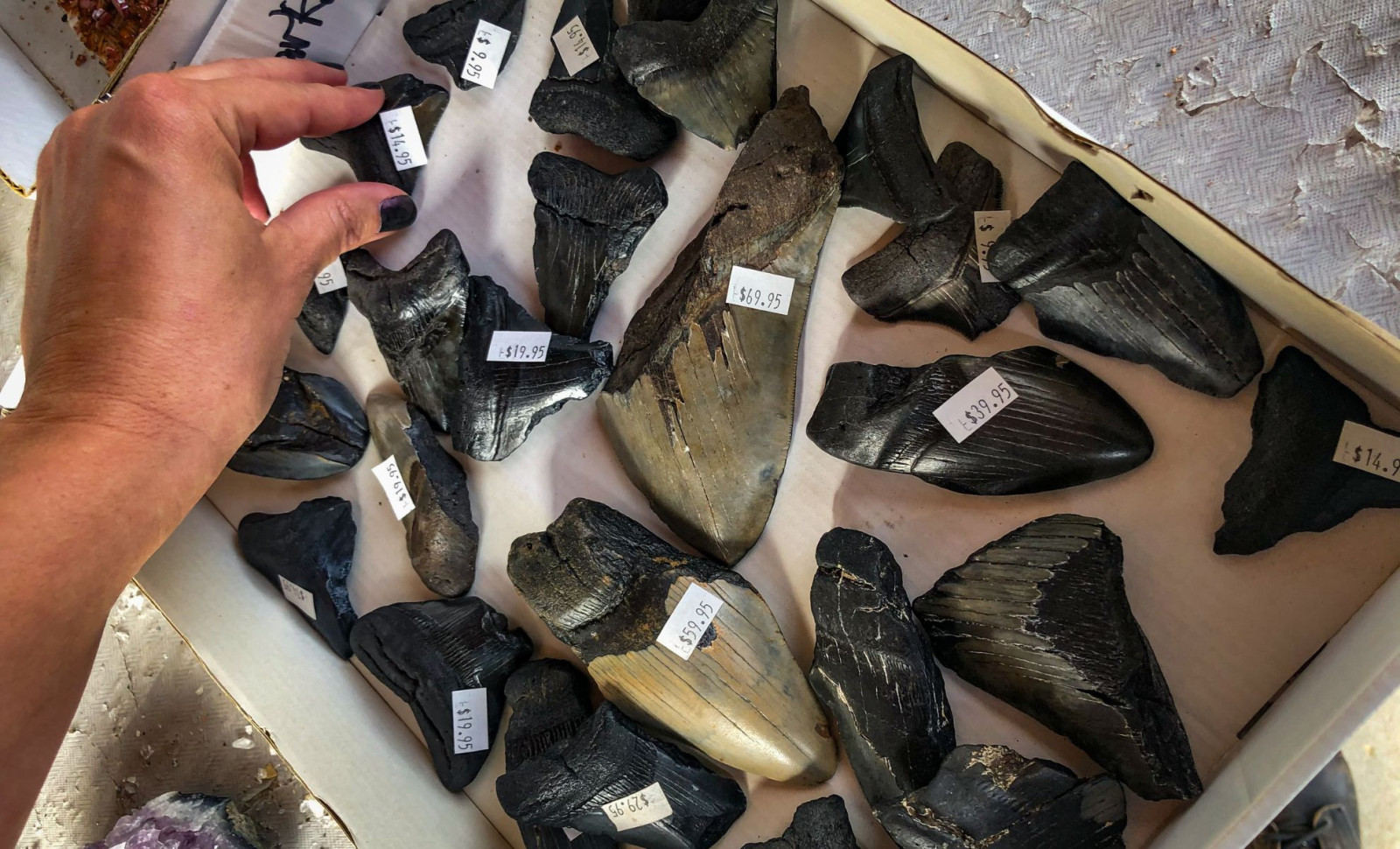
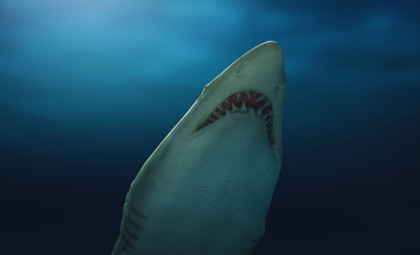
A pivotal megalodon fossil, missing for over 30 years following a museum relocation, has finally been recovered. This vertebra’s reappearance validates previous size estimations that have influenced our understanding of the massive prehistoric shark’s dimensions.
The specimen originated from a clay deposit in Gram, Denmark, discovered in the late 1970s. It was kept at the Geological Museum of Copenhagen, where it was photographed and measured before vanishing during a 1989 transfer. Though the fossils disappeared, existing documentation continued to significantly inform megalodon studies.
This particular vertebra is notable for its impressive 23-centimeter diameter, making it the largest megalodon vertebra found and, as researchers state, the largest fish vertebra known to science. These measurements have been integral to estimating the shark’s maximum size.

The Impact of the Lost and Found Fossil
Until now, scientists depended solely on archival images and measurements since the physical fossils were unavailable. The fossil’s recent recovery confirms the old data remains precise.
“The rediscovery of the vertebrae was a true delight because they empirically confirm the maximum vertebral diameter of 23 cm reported in the literature,” said Kenshu Shimada of DePaul University. He added that the specimen “represents the largest shark vertebrae known to date but also the largest fish vertebrae ever recorded to our knowledge.”
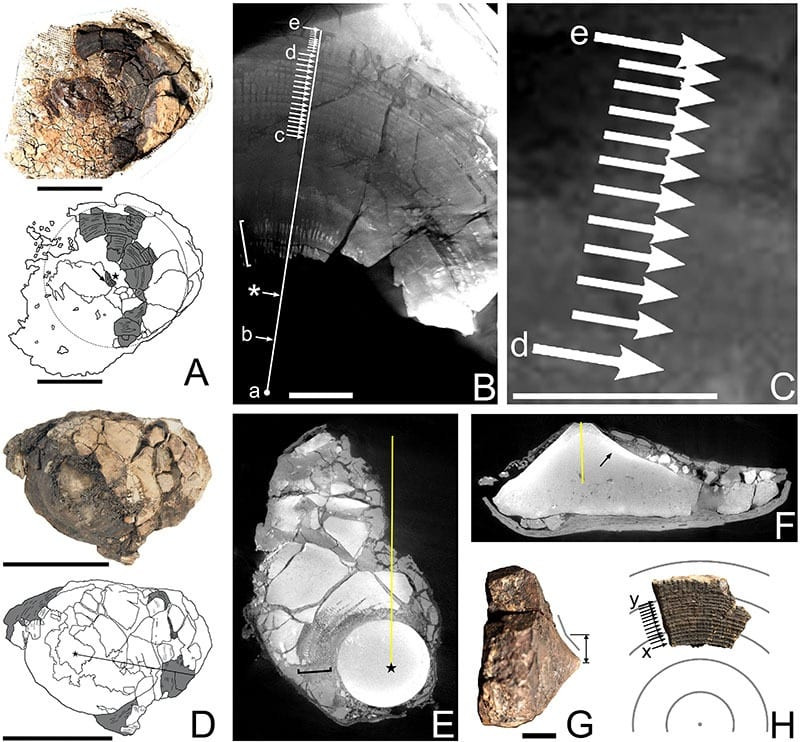
Recent findings published in Palaeontologia Electronica reinforce that the rediscovered vertebra supports earlier studies that estimated a maximum length of 24.3 meters for megalodon sharks possessing vertebrae of this size.
Challenges in Determining Megalodon Size
Estimating megalodon’s exact size has long been complicated due to its skeleton being largely cartilage, unlike the bones of mammals or dinosaurs, which seldom preserve as fossils.
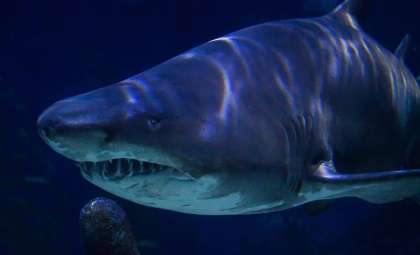
As highlighted by researchers, the majority of megalodon finds are isolated teeth. Even museum jaws are reconstructed models created from limited remains. Consequently, scientists often infer body length by comparing these fossils with living shark species.
Previous estimates typically placed the shark’s maximum length between 14 and 18 meters. A 2021 study raised this estimate to about 20 meters, and another 2022 study employing 3D modeling revised a Belgian specimen’s size from 9.2 to 15.9 meters.
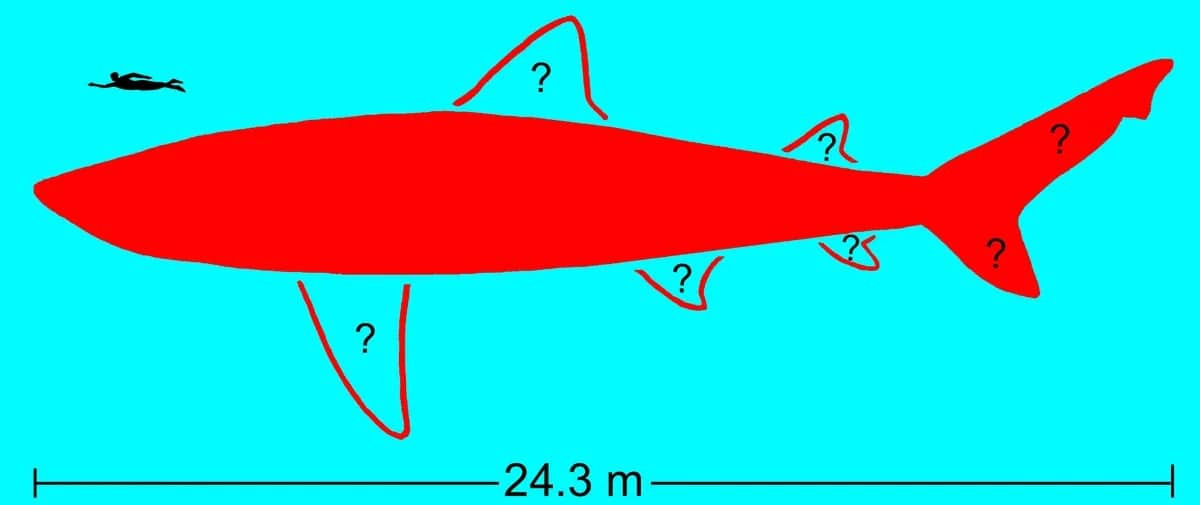
In 2024, a research team including Shimada proposed that megalodon likely had a leaner physique than previously assumed. Based on vertebral anatomy, they suggested the shark favored long-distance swimming rather than short bursts of ambush hunting.
“Although some additional assumptions have gone into the estimated length, the rediscovery of the vertebrae from Denmark eliminates any doubts about the maximum vertebral diameter of 23 centimeters that has been critical for the 24.3-meter length estimate,” Mette Elstrup, a paleontologist at the Museum of Southern Jutland, said in a release.
Despite these advancements, researchers emphasize the estimates remain provisional since a complete megalodon skeleton has not yet been found.
Additional Insights from the Ancient Vertebra
The recovered vertebra revealed more than size data. Utilizing X-ray tomography, scientists analyzed growth rings in the cartilage to conclude the shark was approximately 64 years old at death, with a possible lifespan extending to around 96 years, indicating potential for even greater size.
Researchers advise caution with these age and size approximations due to incomplete fossil evidence and underlying assumptions. The fossil’s matrix also unveiled unexpected findings.
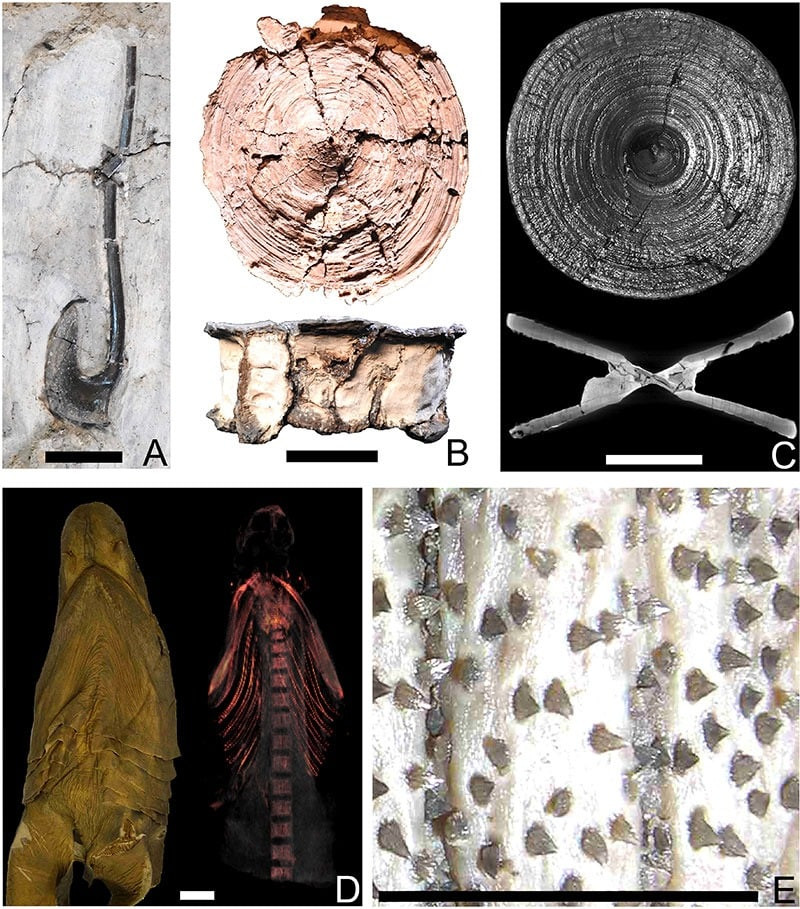
Within the surrounding sediment, scientists discovered partial gill structures and minute scales identified as belonging to a basking shark.
“I was surprised to discover many scales of a fossil basking shark under a microscope. This led my research team to interpret the basking shark remains to represent megalodon’s stomach content,” Shimada said.
Mikael Siversson from the Western Australian Museum noted this as the first confirmed example of fossilized stomach contents linked to megalodon.
- Categories:
- Science




0 comments
Sign in to Comment