
Fossil remains discovered within submerged caves of the Dominican Republic are shedding new light on Antillothrix bernensis, a monkey species that vanished roughly 10,000 years ago. These findings are offering fresh insights into its lifestyle and potential causes of extinction.
Originating from Hispaniola, where primate fossils are almost nonexistent, the site holds the richest collection of monkey bones ever recovered on the island, according to findings published in the Journal of Human Evolution.
An Unprecedented Fossil Concentration in One Location
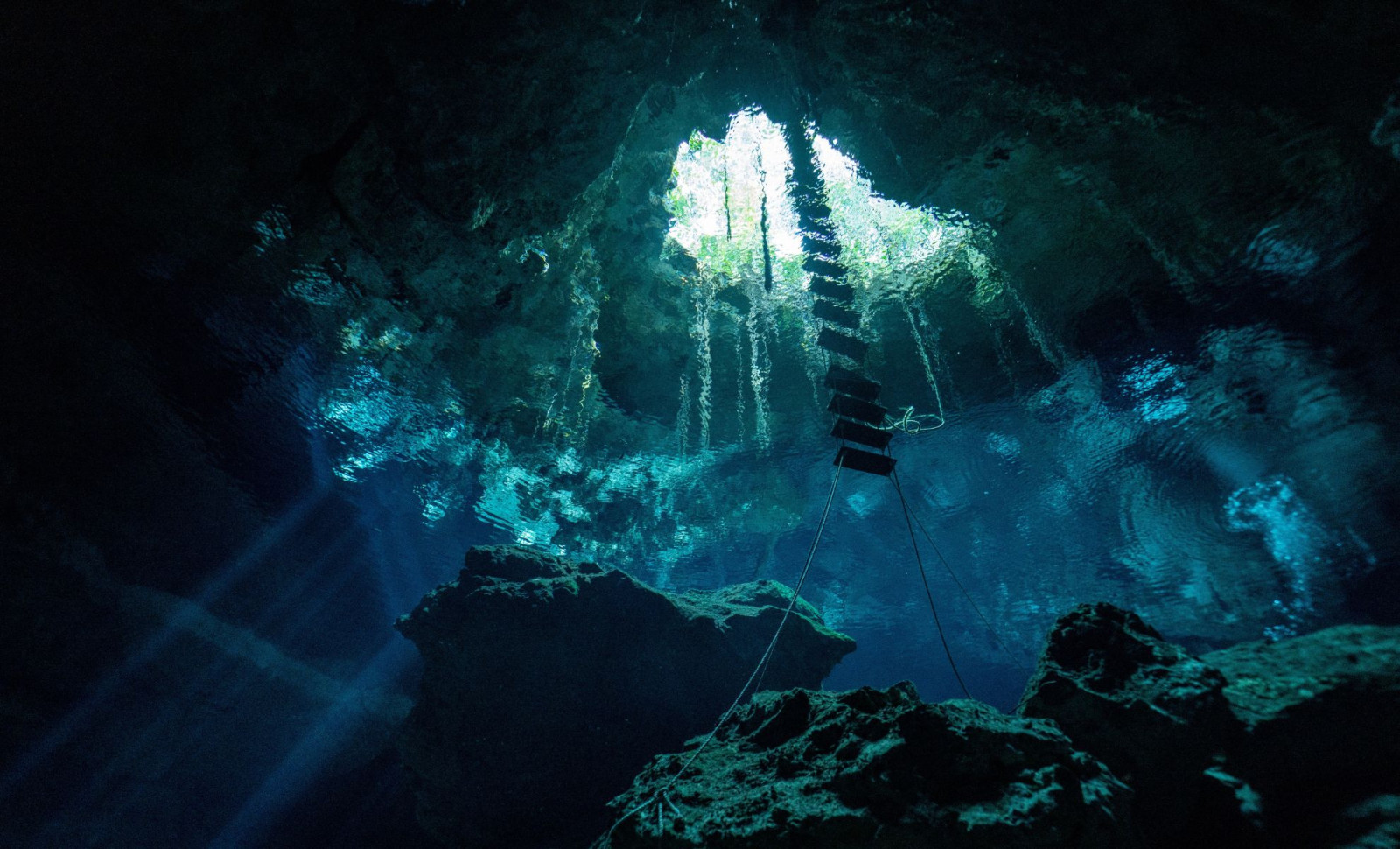
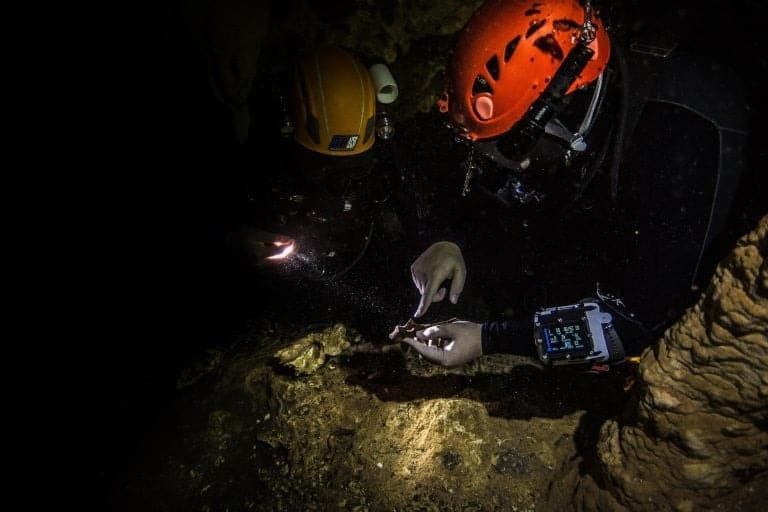
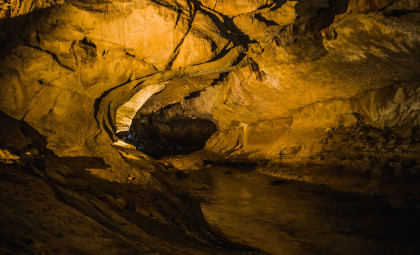
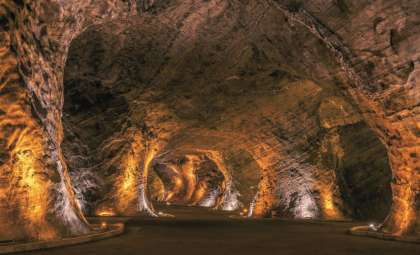
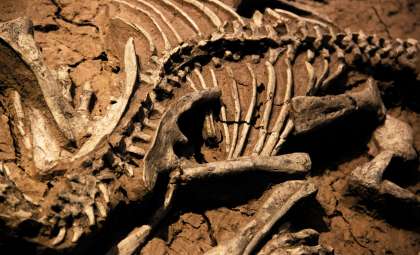
Unearthed in the flooded cave complex known as Cueva Macho, researchers uncovered seven skulls, five mandibles, and numerous other skeletal pieces clustered together. As highlighted by the Journal of Human Evolution, such an extensive fossil grouping is nearly unparalleled for primates in the Caribbean region.

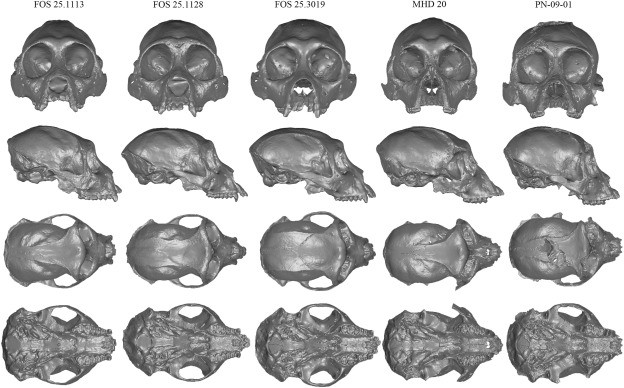
Only the extinct species Homunculus patagonicus boasts a similarly rich fossil record. Siobhán Cooke of Johns Hopkins University emphasized that having so many well-preserved skulls enables detailed analysis of individual variation, a rarity with typical isolated fossil finds.
“These fossils help us to better understand the anatomy of Antillothrix, which can help us identify ecological factors that might have predisposed it to extinction,” she said. “These data can ultimately guide policy for preserving the remaining mammalian diversity on the Caribbean islands and elsewhere.”
Insights Into Their Behavior and Lifestyle
By creating 3D reconstructions of the skulls, researchers determined that males and females were similar in size, with individuals weighing up to five pounds. According to Cooke, this parity suggests minimal male rivalry, indicating these primates probably lived in small familial groups, with parents caring for offspring collectively.
“The number and quality of the Antillothrix crania outlined in this paper allow us to describe the skull completely and understand the variation between individuals.” She added, “This can tell us about the diet and social systems of these animals.”
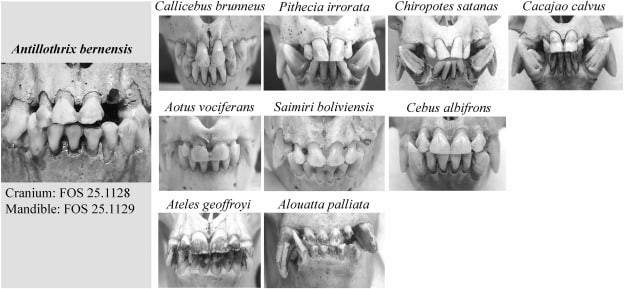
Dental evidence adds more depth to this picture. The primates' molars are rounded and their canines relatively small, indicating a primarily frugivorous diet. This supports classifying Antillothrix bernensis among fruit-eating primates.
Evidences Suggest Predation Over Accidental Deaths
Researchers remain uncertain how numerous monkeys ended up deep inside the cave, ruling out accidental falls as implausible for mostly arboreal creatures. Clues lie in the bones themselves. Some skulls show missing jaw sections consistent with feeding patterns of owls. Cooke explained:
“When owls feed, they will sometimes preferentially consume the masseter, a major muscle attached to the jaw, and these injuries are consistent with that.”
Additionally, marks on the bones align with owl predation behaviors, as owls tend to consume soft tissues around the jaw, leaving characteristic traces. This points to a prehistoric giant owl possibly hunting these monkeys and depositing remains in the cave, a scenario supported by similar findings elsewhere on the island.
“Learning more about these animals provides a window into the past and helps us better appreciate the current and past biological diversity of the Dominican Republic and Haiti,” she concluded.
- Categories:
- Science



0 comments
Sign in to Comment