
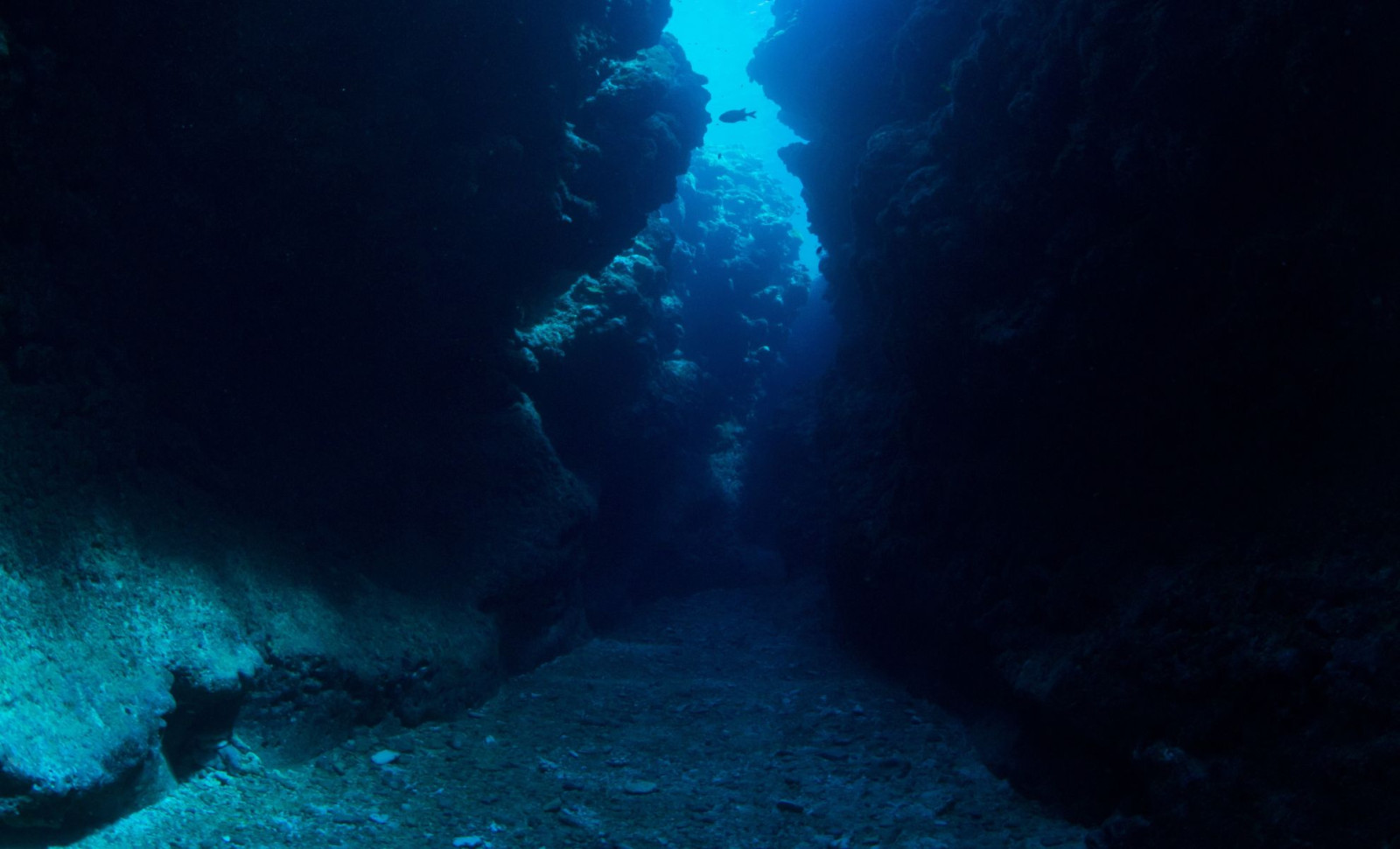
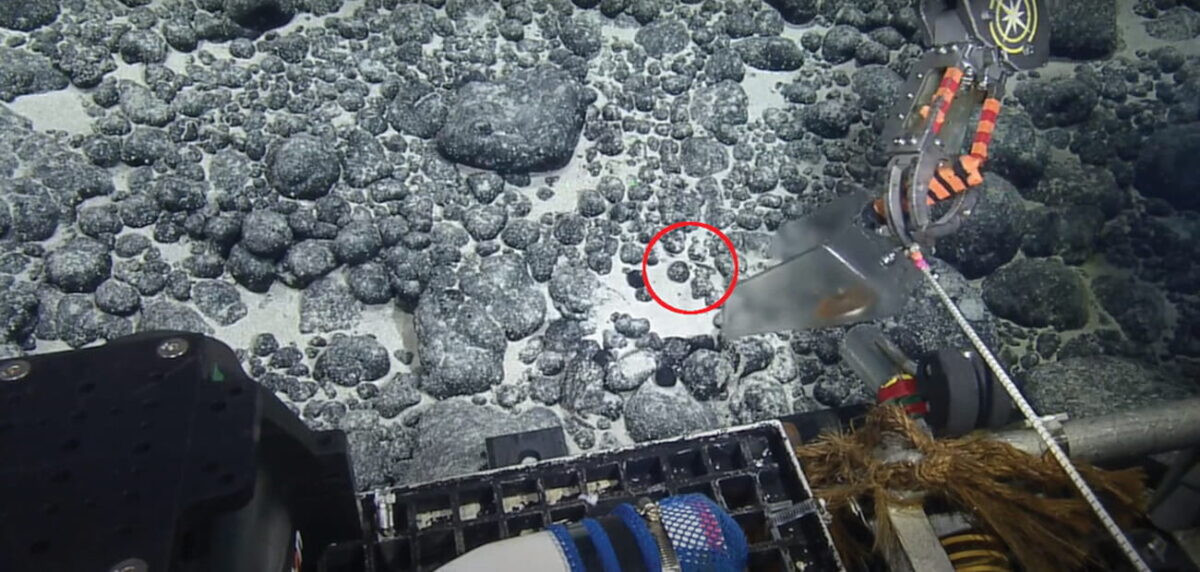
Scientists have uncovered a fossilized Megalodon tooth resting more than 10,000 feet beneath the central Pacific Ocean's surface, representing the deepest intact discovery of its kind. This impressive 68-millimeter specimen, remarkably well preserved, was located in late 2022 by a remotely operated vehicle (ROV) examining deep underwater seamounts.
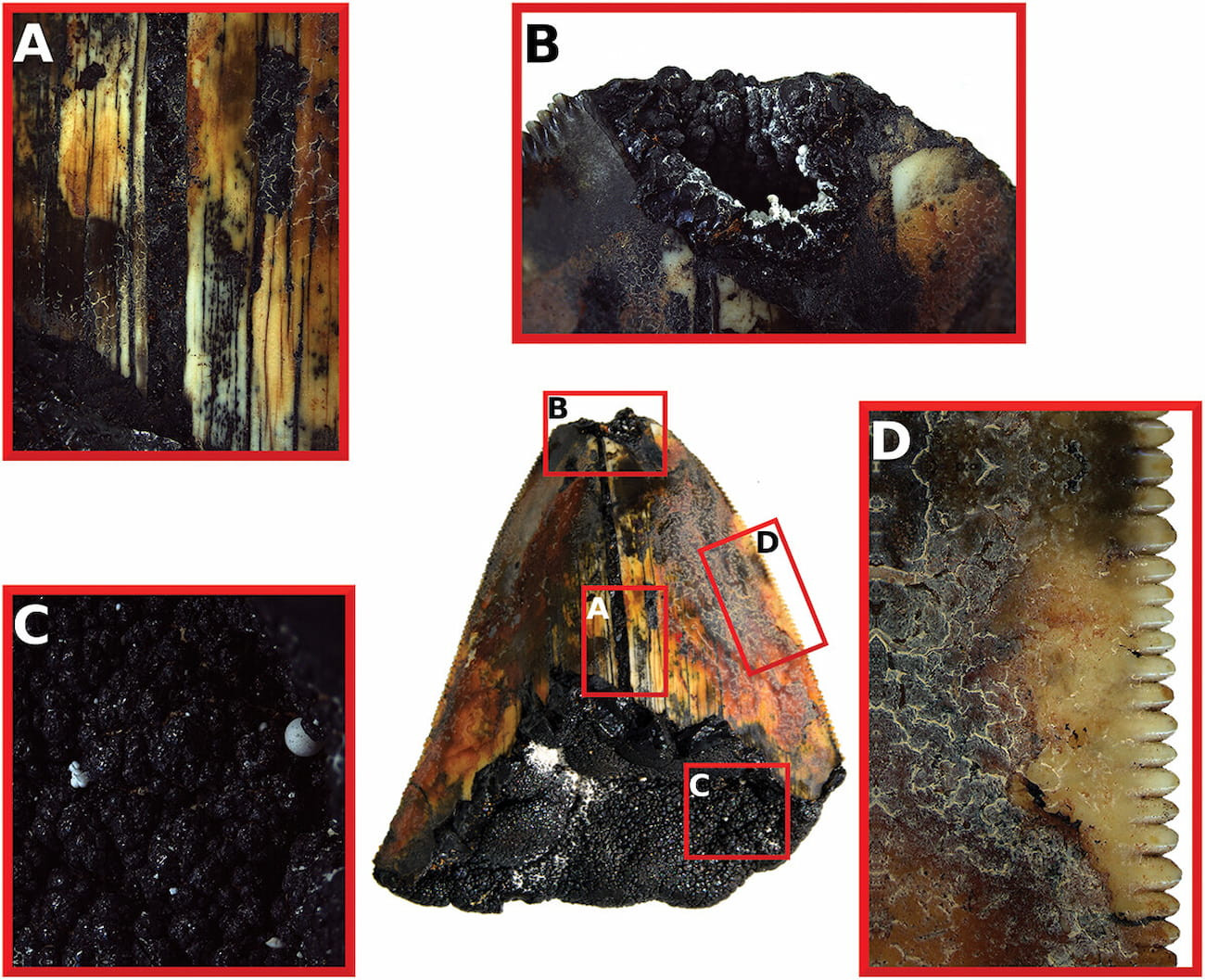
The distinct triangular outline and sharp serrations of the tooth have sparked new discussions about the range and hunting behavior of Otodus megalodon, suggesting it may have ventured far beyond its known coastal hunting areas.
Although Megalodon fossils are frequently found in coastal deposits, this rare deep-sea find implies a more extensive habitat. Researchers have debated for years whether this enormous shark, which lived between 5 and 3.6 million years ago, ever roamed the open ocean expanses.

An Extraordinary In Situ Megalodon Tooth Preserved for Millennia
The tooth was discovered partially embedded in ocean floor sediment, allowing scientists to document the context thoroughly before retrieval. The expert team, led by Jürgen Pollerspöck, notes that the manganese crust forming on the fossil indicates it has been undisturbed for an extensive period, possibly dating back to the Miocene or Pliocene epochs.
This finding is especially notable as it is the first in situ megafaunal tooth recorded at such an extreme ocean depth, as detailed in the 2023 study published in Historical Biologyand. Previously, Megalodon teeth retrieved from deep waters had lacked precise location data or had been displaced from their original site. The clear preservation and positioning here offer reliable insights into the ancient environment of this massive predator.
The visible enamel, well-preserved serrations, and fractured apex exhibit little wear, indicating the tooth was not shifted significantly by currents. This suggests the specimen settled quickly after the shark's death.
Open Ocean Hunting May Have Been Part of Megalodon's Behavior
Contrary to the widely held belief that Otodus megalodon was confined to nearshore environments, it is possible the giant shark pursued migratory species like whales into deeper oceanic regions. Historical findings of ear bones and cetacean teeth located far from coastlines support the idea of offshore predation events.
Though no present-day creatures rival the Megalodon's immense size, the great white shark demonstrates comparable migratory behaviors by traversing vast distances in search of prey or breeding grounds. This behavior lends credibility to the hypothesis that Megalodon may have similarly inhabited and hunted in open waters.
Unveiling Ancient Giants with Advanced Ocean Exploration Tools
This extraordinary recovery was made feasible thanks to breakthroughs in underwater robotic technology and high-resolution deep-sea imaging, enabling exploration of the largely uncharted ocean floor. Members of the research expedition aboard the E/V Nautilus explain these innovations now allow scientists to access nearly 99 percent of the seafloor, which remains unseen by direct observation.
Prior knowledge about Megalodon distribution primarily came from fossils found in coastal sediments. With enhanced technological capabilities, researchers can now connect isolated fossil evidence across ocean basins, shedding light on marine paleontology’s enduring mysteries.
- Categories:
- Science








0 comments
Sign in to Comment