
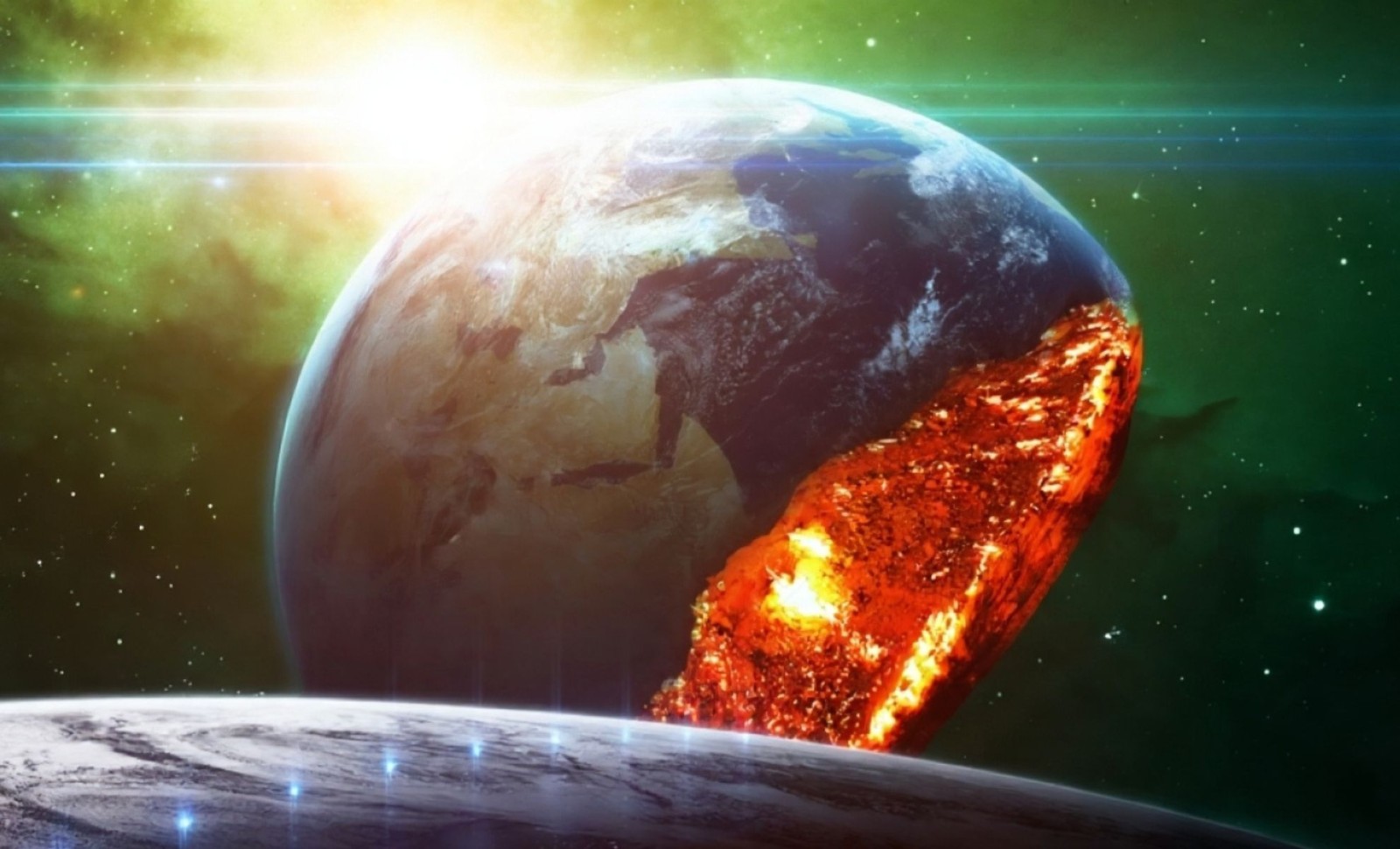
Beneath Earth's surface, researchers have identified compelling signs that pieces of the planet's primordial form, known as proto-Earth, are still preserved within the mantle. This discovery, derived from analyzing potassium isotopes in ancient rock samples and volcanic lava, indicates that portions of Earth may have withstood the cataclysmic impact that led to the Moon's creation over 4.5 billion years ago.
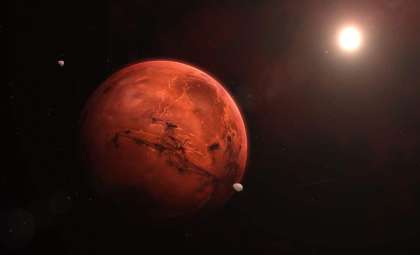
For many years, it was thought that the collision with Theia, a Mars-sized celestial body, erased all vestiges of proto-Earth, essentially reshaping Earth's material makeup. However, new findings suggest that remnants of the original Earth could have persisted, buried deep beneath the planet's layers. The research centers on potassium isotopes that offer critical insights into Earth's formative processes.
Exploring Earth’s Ancient Roots
Potassium occurs naturally in Earth's geology with several isotopic forms: potassium-39, potassium-40, and potassium-41. While potassium-39 and potassium-41 are stable, potassium-40 is radioactive and decays over time, making it a valuable marker for studying the evolution and age of planetary materials.

The recent investigation, featured in Nature Geoscience, measured subtle variations in potassium isotope ratios from ancient crustal rocks and present-day volcanic lavas. Notably, a lower proportion of potassium-40 in select rocks suggests these samples originated deep within the mantle, preserving a record of Earth's earliest composition.
The study examined samples from regions including Greenland, Canada, South Africa, and volcanic formations from islands such as La Réunion and Hawaii. They identified a consistent decrease in potassium-40 levels compared to typical mantle values, a significant and reproducible difference.
Researchers propose that these rocks share a deep mantle source composed of ancient proto-Earth material that survived the moon-forming impact event.
Insights from Ancient and Volcanic Samples
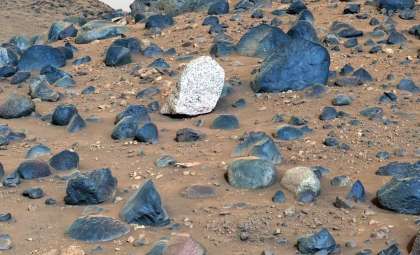
Scientists targeted two main rock groups: ancient mafic rocks, some dating back over three billion years, and recent volcanic rocks from locales such as La Réunion Island in the Indian Ocean and Kama’ehuakanaloa, a submarine volcano near Hawaii. These volcanic areas are particularly valuable because they lie above mantle plumes—upwellings transporting material from Earth's deepest regions.
Ancient rocks act as geological "time capsules," preserving conditions from when Earth's mantle began to solidify. Conversely, volcanic rocks provide a glimpse of deeper mantle material that may be shielded from mixing processes affecting other mantle sections.
The fact that both the ancient crustal rocks and modern lavas exhibit the same potassium-40 deficit indicates a shared origin in isolated mantle zones. This discovery is akin to uncovering a fossil from Earth's distant past, which remarkably endured through catastrophic planetary transformations.
- Categories:
- Space





0 comments
Sign in to Comment