
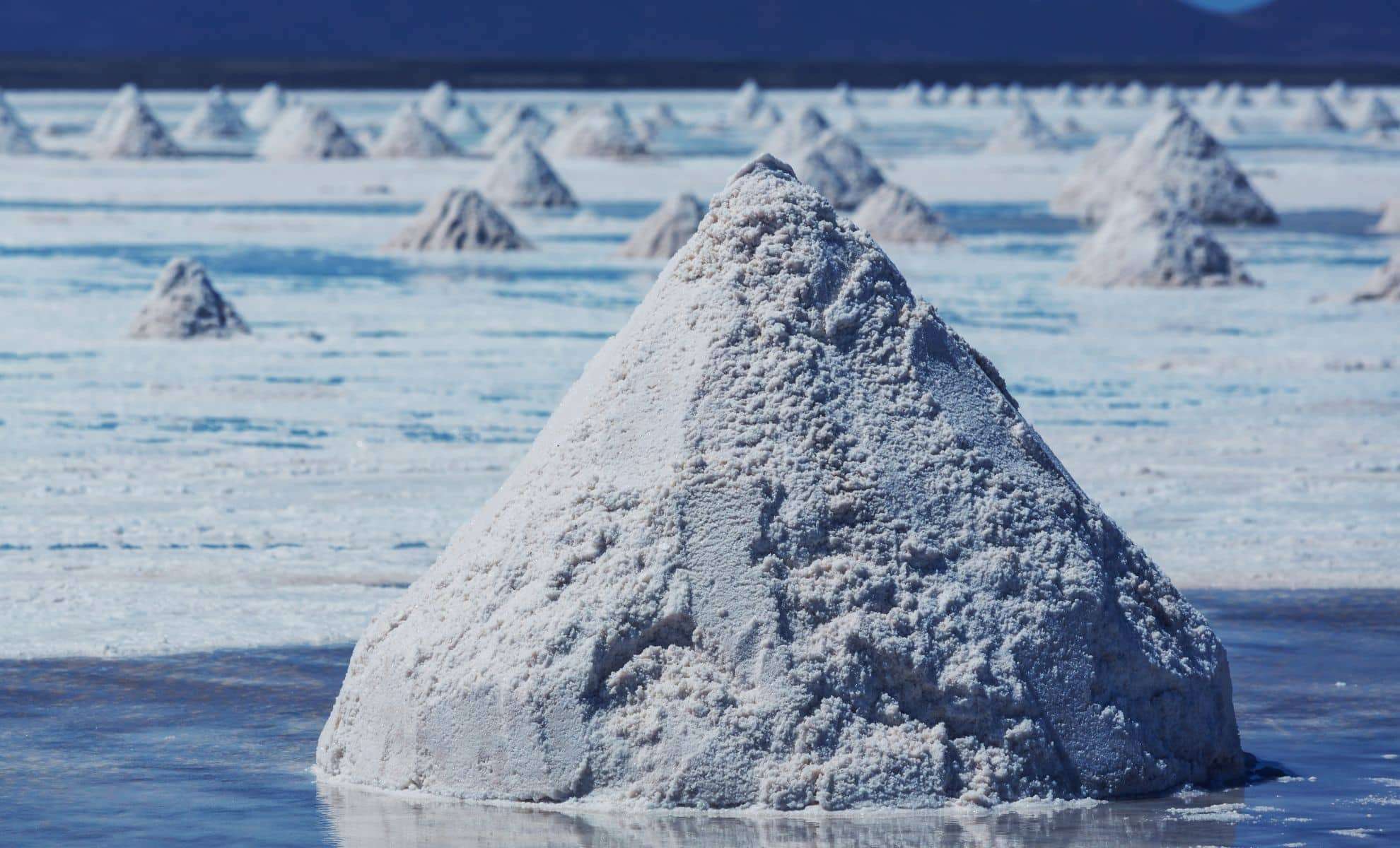
New research has uncovered that boron, rather than carbonate, predominantly influences the chemistry of lithium-rich brines, challenging long-held beliefs about saline water compositions. This finding holds promise for advancing lithium extraction and refining the treatment of mining wastewater.
Unveiling the Unique Chemistry of Lithium-Brine Reservoirs
A recent article in Science Advances sheds light on an unexpected aspect of key global lithium reserves. These lithium deposits, essential for powering green technologies, are typically harvested from subterranean salty waters called brines beneath extensive salt flats like Bolivia's Salar de Uyuni. Traditionally, carbonate chemistry has been thought to govern such waters, but this new study shows that boron dominates their chemical behavior in lithium-bearing regions.
"We found that boron almost entirely controls the pH in these brines, contrasting with seawater and ordinary saline solutions. It's akin to exploring an alien environment," said Avner Vengosh, a Duke University professor specializing in environmental quality and the study's lead investigator.

Boron’s Chemical Influence in Salar de Uyuni’s Lithium Pools
The researchers concentrated on the vast Salar de Uyuni, home to the largest known lithium brine deposit on Earth. During lithium extraction, brine is pumped into evaporation ponds where water diminishes and the concentrations of lithium and boron rise. The team discovered that brines in these ponds became noticeably more acidic compared to natural brine, attributing this shift to elevated boron levels affecting pH.
"Combining chemical assays with geochemical models allowed us to identify the distinct boron molecular forms contributing to the alkalinity of these lithium brines," explained Paz Nativ, a postdoctoral scholar involved with the project.
Implications for the Future of Lithium Mining
The team’s analysis extended beyond the Salar de Uyuni, examining more than 300 brine samples from multiple salt flats throughout the Lithium Triangle—covering Chile, Argentina, and Bolivia—as well as the Tibetan Plateau. Their geochemical modeling consistently reinforced boron's critical role in controlling brine alkalinity and pH, factors vital for lithium recovery worldwide.
"Alongside our fresh data, we assembled a global lithium brine geochemical database that reveals boron often dominates brine alkalinity, shaping pH levels and echoing our findings in Bolivia’s key deposit," stated Gordon Williams, a Ph.D. candidate in Vengosh's lab.
This breakthrough knowledge could transform lithium extraction techniques, offering pathways to enhance efficiency and improve wastewater management. With boron identified as a key player in brine chemistry, mining operations can potentially refine processes to boost sustainability and cost-effectiveness in lithium production.
- Categories:
- News







0 comments
Sign in to Comment