
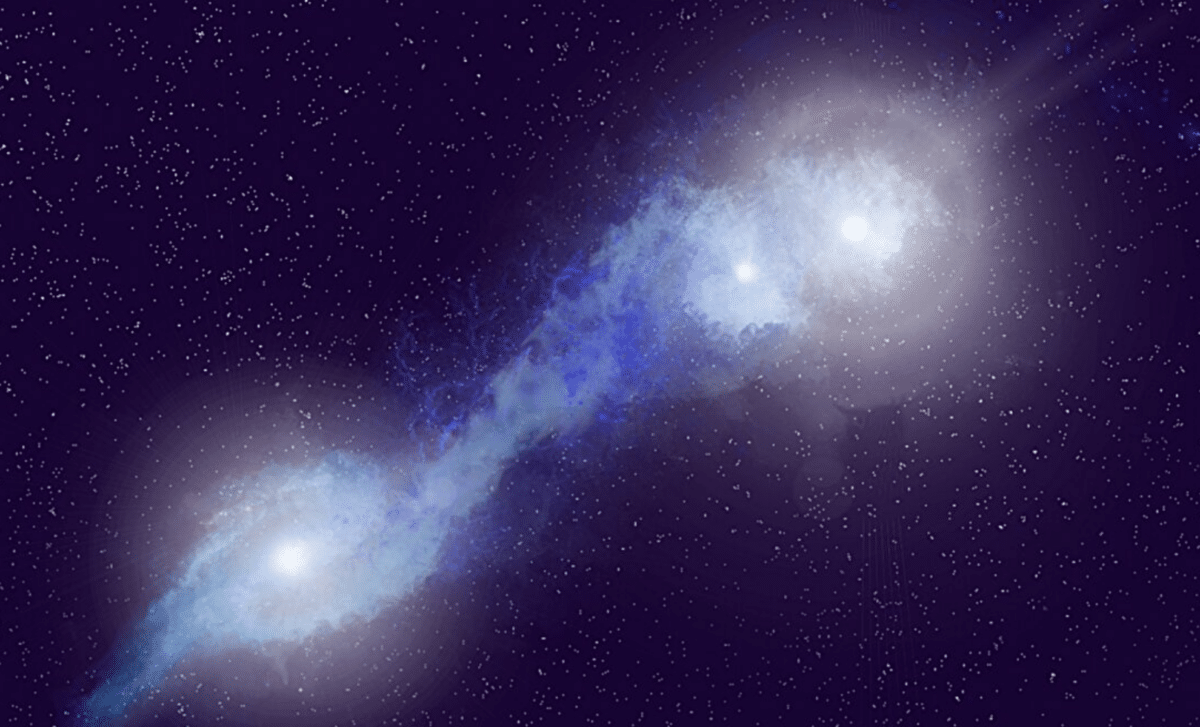
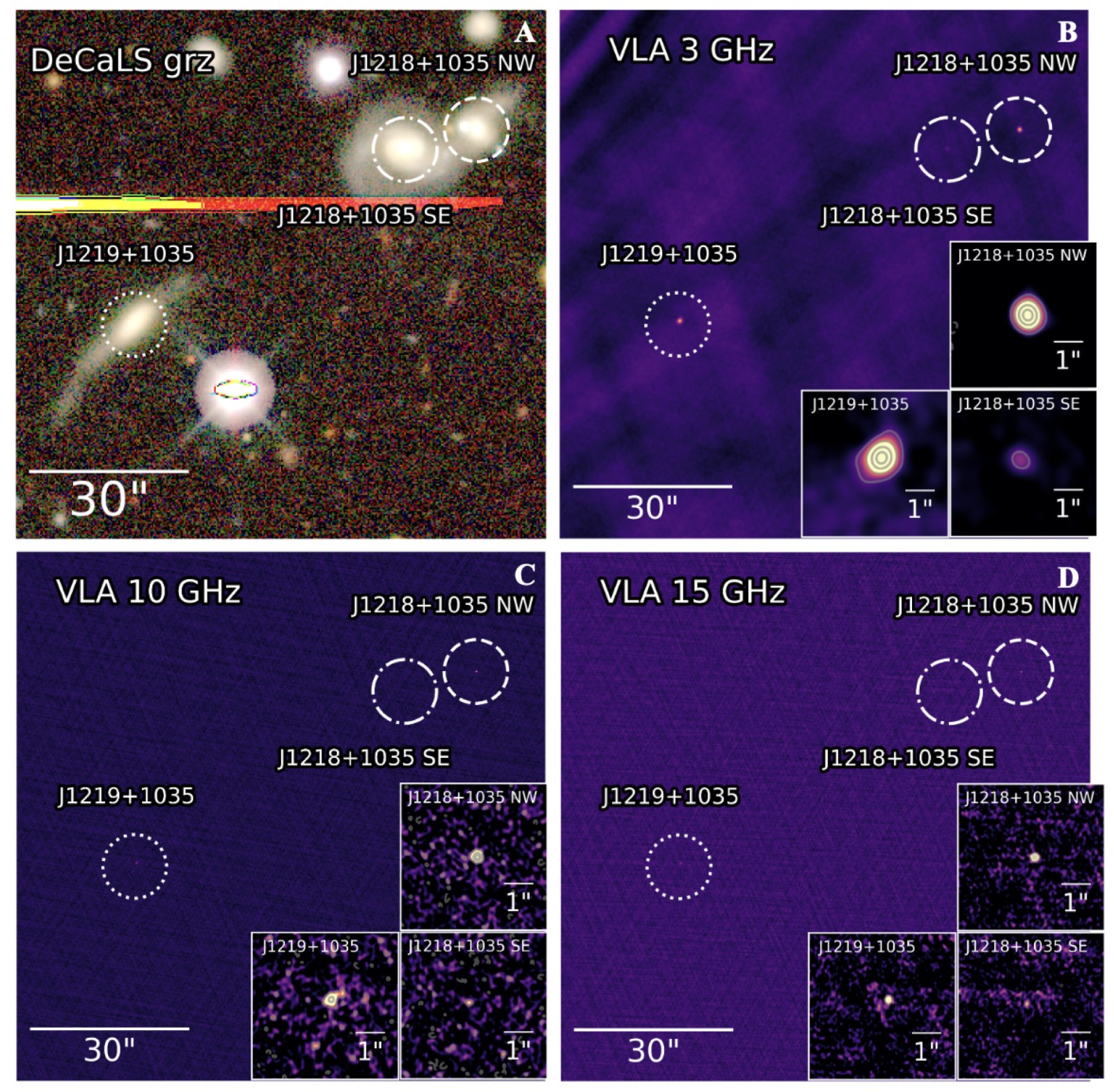
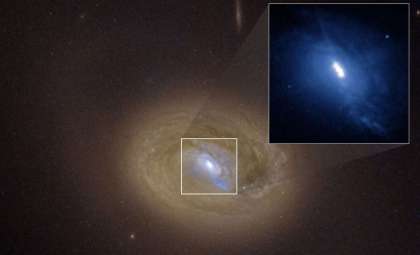
Astronomers have made a groundbreaking observation of three galaxies, each hosting an active, radio-emitting supermassive black hole, caught in the process of merging. This extraordinary trio offers a rare chance to explore the intricate interactions between these powerful black holes and their respective galaxies. The findings, detailed in The Astrophysical Journal Letters, provide fresh insights into galaxy formation and black hole dynamics.
Unveiling an Unprecedented Triple Black Hole System
Recent investigations have confirmed the presence of an unusually rare formation: three vigorously active supermassive black holes embedded in merging galaxies. Detected through intense radio waves, this system represents a pivotal discovery for understanding how black holes influence their environments during cosmic collisions. Rather than being a mere curiosity, this event demonstrates the complex interplay between supermassive black holes and their galaxies in the midst of a dynamic merger.
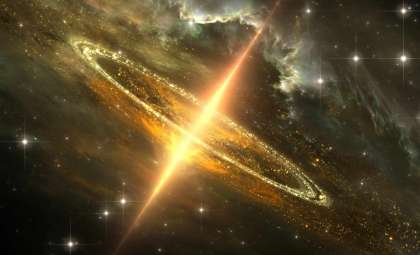
Galactic collisions are crucial events that can stimulate star birth, rearrange galactic structures, and energize central black holes. Notably, this newfound system features not just one or two but three actively accreting black holes. Each emits powerful radio signals, evidence of intense accretion and jet activity.

The Importance of Discovering Triple Active Galactic Nuclei
“Systems involving three actively feeding galaxies are extraordinarily uncommon, and observing such an event during a merger provides unparalleled insight into the joint evolution of massive galaxies and their central black holes,” explained Dr. Emma Schwartzman from the U.S. Naval Research Laboratory, the principal investigator behind the research. This finding offers a rare glimpse into galaxy progression that would otherwise be inaccessible.
Typically, astronomers detect either solitary or binary supermassive black holes within merging galaxies. However, identifying a triple system adds a new dimension to the study of black hole behavior and galactic merger mechanics. These observations allow astronomers to unravel the gravitational and energetic phenomena shaping galaxies at an unprecedented scale.
Tracking Radio Waves from Feeding Black Holes
A distinctive feature of this system is that all three supermassive black holes emit intense radio frequencies. This radio emission is a hallmark of active galactic nuclei (AGN), where central black holes devour surrounding gas and dust. The infalling matter heats up, producing radiation over various wavelengths, including radio band signals.
Observing that each black hole in this trio is “radio-bright” and actively producing jets transforms triple radio AGN from a theoretical idea into observable reality. This discovery unlocks new avenues for studying the life cycles of supermassive black holes. As Dr. Schwartzman highlights,
“By observing that all three black holes in this system are radio-bright and actively launching jets, we’ve moved triple radio AGN from theory into reality and opened a new window into the life cycle of supermassive black holes.”
This rare phenomenon allows scientists to examine how colossal black holes form and interact with their galactic surroundings. The research published in The Astrophysical Journal Letters represents a milestone in understanding the origins and development of these extraordinary cosmic giants.
How Galactic Collisions Drive Black Hole Evolution
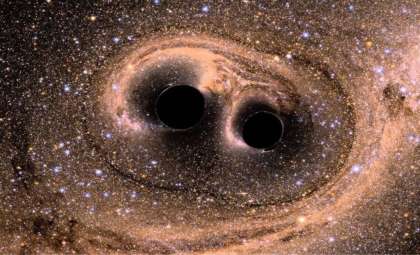
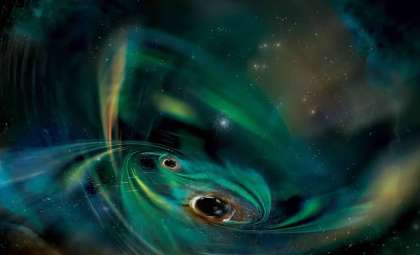
Galaxy collisions are essential to piecing together the story of cosmic evolution. When galaxies merge, their central supermassive black holes tend to move closer under gravity's pull, potentially merging into even larger black holes. This discovery of three black holes actively accreting from separate galactic centers provides an unprecedented window into black hole dynamics within such energetic cosmic events.
The finding also offers valuable insights relevant to our galaxy's distant future. The Milky Way is predicted to merge with the Andromeda galaxy in approximately 4.5 billion years, possibly leading to the creation of a larger, unified supermassive black hole. Understanding the interactions in current mergers helps scientists forecast the eventual destiny of our own galactic neighborhood.
- Categories:
- Astronomy



0 comments
Sign in to Comment