
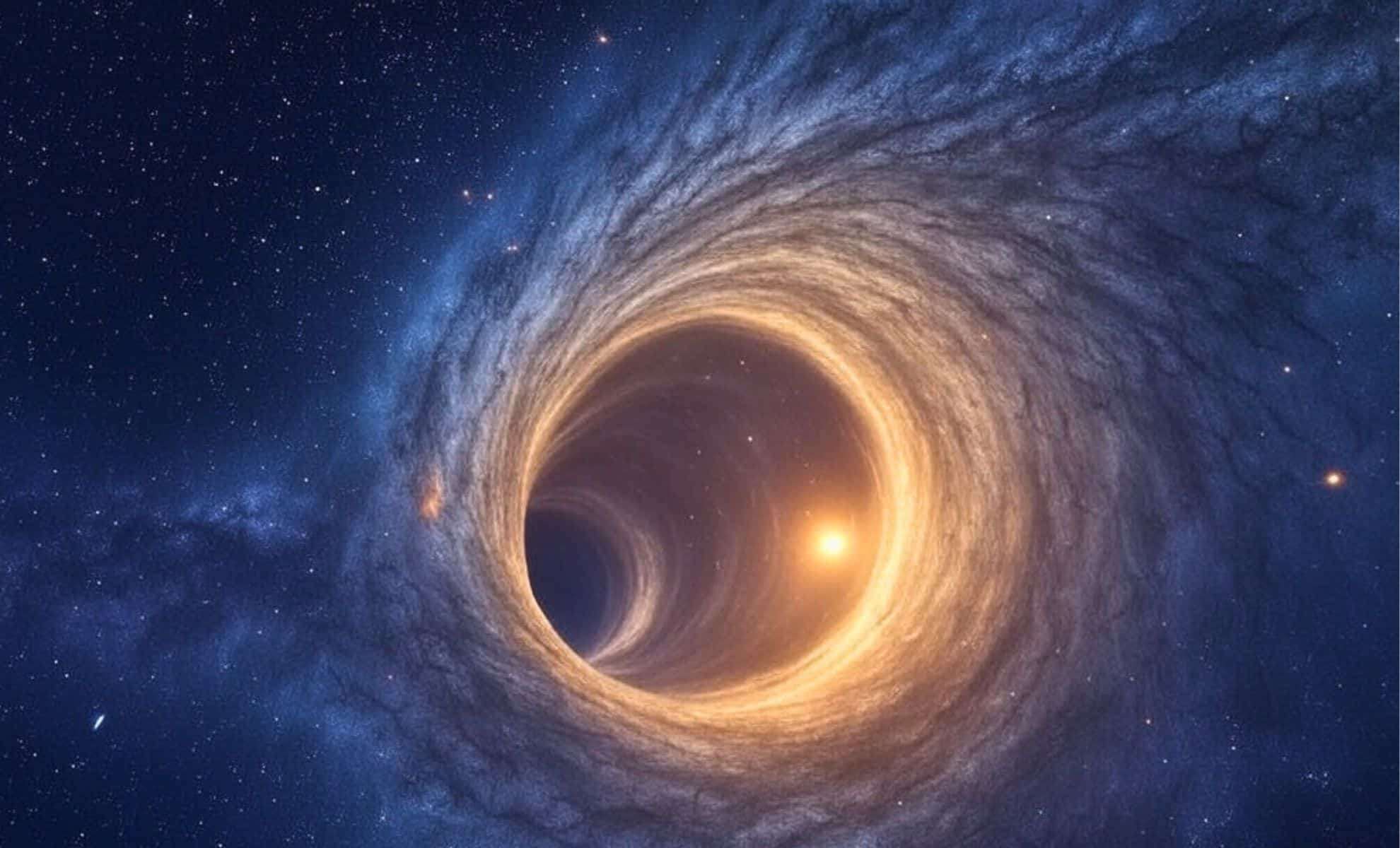
A remarkable breakthrough in astronomy has unveiled a network of cosmic passageways bridging our solar neighborhood with remote stellar systems, revolutionizing our perspective on the interstellar environment. Utilizing advanced X-ray observations, researchers have identified pathways of diffuse, high-temperature plasma linking the Local Hot Bubble (LHB) to other regions of the galaxy.
Revealing the Milky Way’s concealed network of cosmic corridors
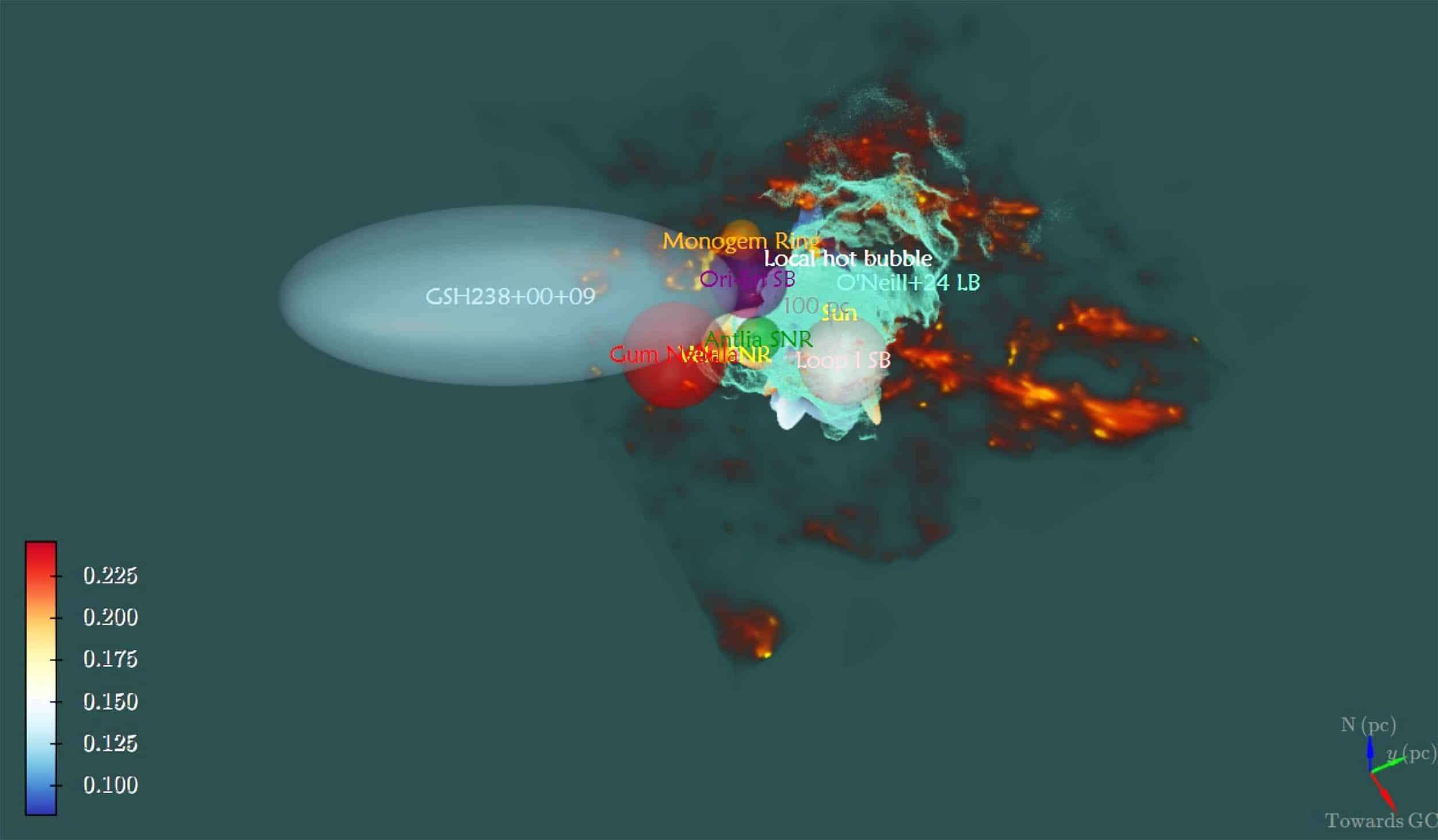
The Local Hot Bubble (LHB) spans approximately 300 light-years and consists of hot, tenuous plasma created by supernova explosions from millions of years ago. These cataclysmic events expelled material, sculpting a labyrinth of energized cavities filled with hot particles and X-ray radiation. This area’s peculiar composition and thermal traits have long captivated astronomers.
Recent investigations highlight a unique north-south temperature variation at elevated galactic latitudes within the LHB, as described by Dr. L. L. Sala and team from the Max Planck Institute.

eRosita’s role in exposing interstellar conduits
The breakthrough was accomplished thanks to eRosita, an X-ray telescope aboard the Spectrum-Roentgen-Gamma spacecraft. By detecting soft X-ray emissions, eRosita enabled astronomers to chart hot gas and interstellar formations with unparalleled clarity. Coupled with data from the ROSAT mission, a prior X-ray survey, the team created an intricate 3D representation of the LHB.
Partitioning the sky into thousands of segments, scientists carefully scrutinized subtle traces of warm gas, dusty voids, and interstellar structures. This detailed approach uncovered what appear to be cosmic tunnels extending outward from our solar system toward constellations such as Centaurus and Canis Major.
Interstellar thoroughfares or cosmic shortcuts?
These channels, comprised of hot, diffuse plasma, serve as "interstellar highways" linking areas where stars are born and pockets of heated gas. The discoveries indicate that the formation of these conduits is influenced by stellar winds from young stars combined with leftovers from supernovae, creating an expansive, interconnected web within our galaxy.
Data reveals temperature variations inside the LHB, showing areas with diminished thermal pressure that suggest openings connecting to larger superbubbles across the Milky Way.
What this means for interstellar research
This evidence supports long-standing models proposing that supernovae generate an intricate network of cavities in space. Contrary to viewing space as nearly empty, these findings illuminate a vibrant realm shaped by plasma, magnetic forces, and radiation.
Key findings include:
- Thermal Pressure: The LHB’s average pressure is lower than prior estimates, hinting at regions open to plasma and particle flows.
- Magnetic Influence: The relationship between plasma and magnetic fields helps sustain these tunnels’ structures over millions of years.
- Dust and Gas Dynamics: These corridors govern the movement of dust and gas, potentially affecting how new stars form and how interstellar material spreads.
Looking ahead: Mapping the galaxy's connective tissue
This groundbreaking find leads to numerous new questions. Future X-ray missions and refined sky surveys will delve deeper into these passageways, exploring their role in channeling interstellar matter, cosmic rays, and magnetic phenomena. Researchers aim to determine if comparable structures exist elsewhere in the Milky Way.
The upcoming generations of space observatories promise to sharpen our grasp of interstellar processes, illuminating the galaxy’s hidden framework and revealing more about the ancient supernova explosions that formed it.
Our solar system’s position within the cosmic web
Interestingly, the solar system lies near the center of the Local Hot Bubble, apparently by chance—but this location presents unique opportunities for detailed study. Although these cosmic tunnels originate from stellar events predating Earth, they continue to influence our cosmic understanding today.
- Categories:
- Astronomy ,
- Space




0 comments
Sign in to Comment