
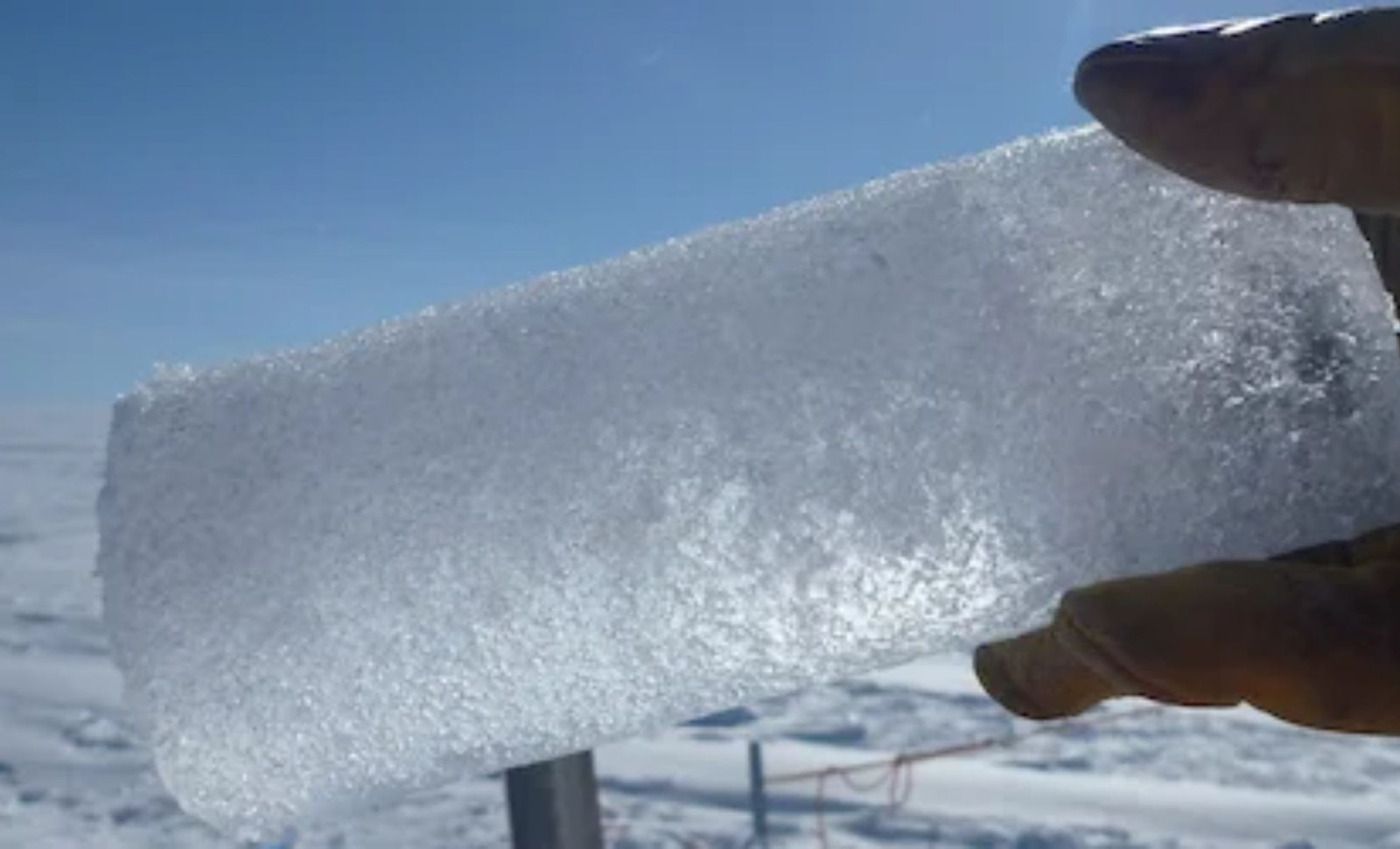
Researchers have detected radioactive stardust particles preserved within Antarctic ice, establishing a direct connection between Earth and fragments from ancient supernovae. This discovery centers around the rare isotope iron-60, which travels through space encapsulated in interstellar dust.
The study indicates that debris from a nearby supernova became embedded in the Local Interstellar Cloud, a cloud of gas and dust currently enveloping the solar system. This finding may shed light on the formation and composition of this cosmic neighborhood.
Leading the investigation, Dominik Koll of the Institute of Ion Beam Physics and Materials Research at HZDR analyzed ice samples from Antarctica dating back 40,000 to 80,000 years. The team published their findings in Physical Review Letters, revealing the presence of iron-60 atoms within the icy layers, a radioactive isotope created by supernova events.

While previously detected in ancient ocean floor sediments, the Antarctic ice samples provide more contemporary evidence of interstellar matter arriving on Earth.
Extensive Analysis of Hundreds of Kilograms of Ice
For the experiment, scientists gathered over 300 kilograms of Antarctic ice, which was then melted and chemically processed. Using accelerator mass spectrometry, they could identify and count rare isotopes at the atomic level with exceptional accuracy.
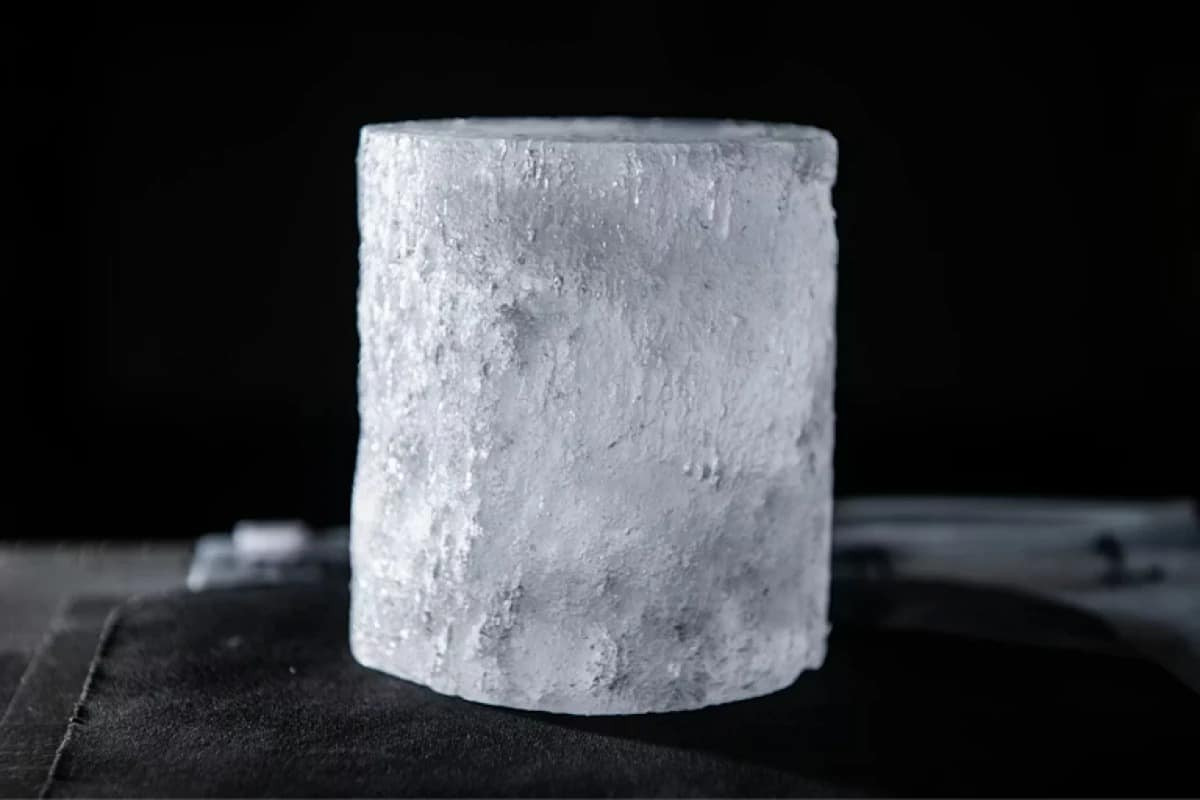
The recent study details how the technique enabled the team to isolate traces of iron-60 with high confidence. This isotope holds particular significance for astrophysicists due to its scarce natural formation on Earth.
“We looked for single atoms of the radioactive isotope 60Fe,” Dominic Kollsaid. “This isotope is a fingerprint of exploding stars.”
The group proposes that this radioactive element condensed into tiny dust particles following a stellar explosion before traveling through interstellar space. Eventually, some of these particles traveled through the solar system and landed on Earth.
The so-called “Local Fluff” consists of gas, plasma, and dust grains between nearby stars. Scientists estimate that the solar system has traversed this region for tens of millennia.
Rare Isotope Linked to the Local Interstellar Cloud
This discovery builds on prior research from 2019 where the same team first identified iron-60 in Antarctic snow. Back then, the origin of the isotope remained a mystery.
“We didn’t know where it came from,” Koll stated. “So we continued working on it tracing the influx back … and we got the answer that it is related to the local interstellar cloud.”
By comparing fresh snow with much older ice layers, researchers noticed a clear difference in iron-60 levels. Older ice contained less of the isotope, indicating a reduced flux of interstellar dust reaching Earth during that time.
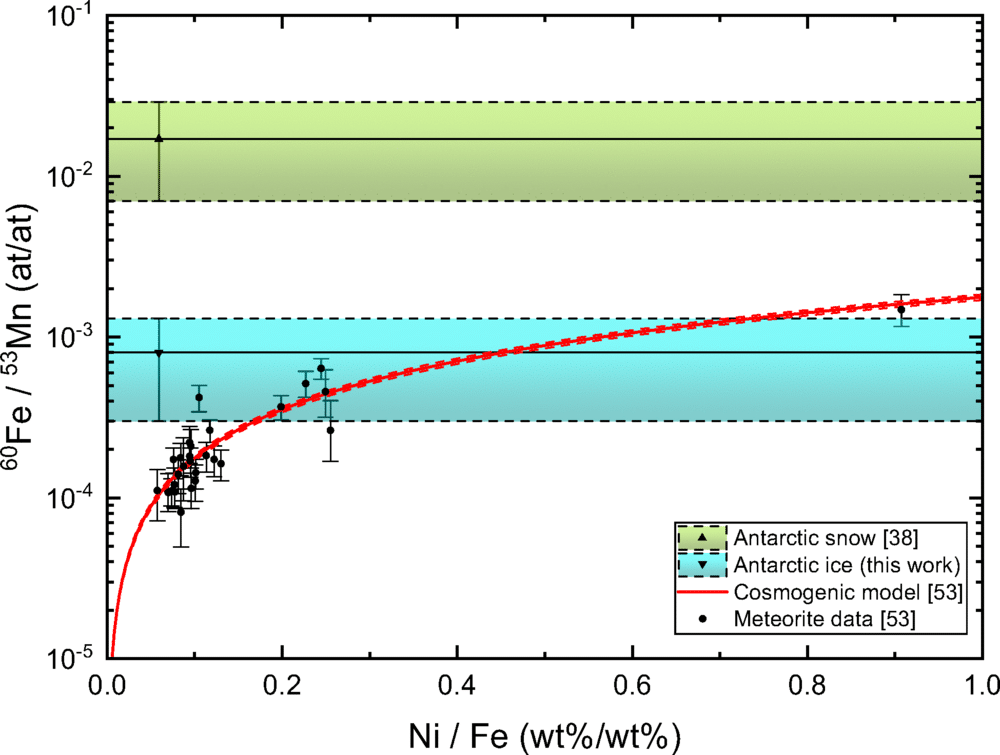
The authors note that this fluctuation occurred over a relatively brief astrophysical interval. Furthermore, the pattern contrasts with ancient iron-60 deposits found in deep-sea sediments dating millions of years back, supporting a more local cosmic origin linked to the solar system's immediate interstellar environment.
A Novel Method to Explore Cosmic Origins
Scientists highlight this research as one of the earliest direct methods to probe the origins of the gas clouds enveloping our solar system. Details shared with Space.com reinforce the connection between the Local Interstellar Cloud and historical supernovae nearby.
“This means that the clouds surrounding the solar system are linked to a stellar explosion,” he said in a statement. “And for the first time, this gives us the opportunity to investigate the origin of these clouds.”
Estimated to have entered the Local Fluff between 40,000 and 124,000 years ago, the solar system continues to traverse this cloud. The team aims to study even older ice layers to gain deeper insight into this cosmic environment’s history.
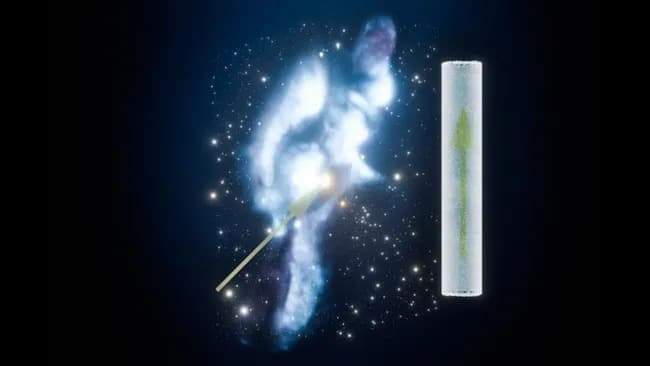
Further upcoming analyses of ancient ice may refine the timeline of interstellar dust accumulation on Earth and enhance our understanding of the galaxy's recent past.
- Categories:
- Science







0 comments
Sign in to Comment