
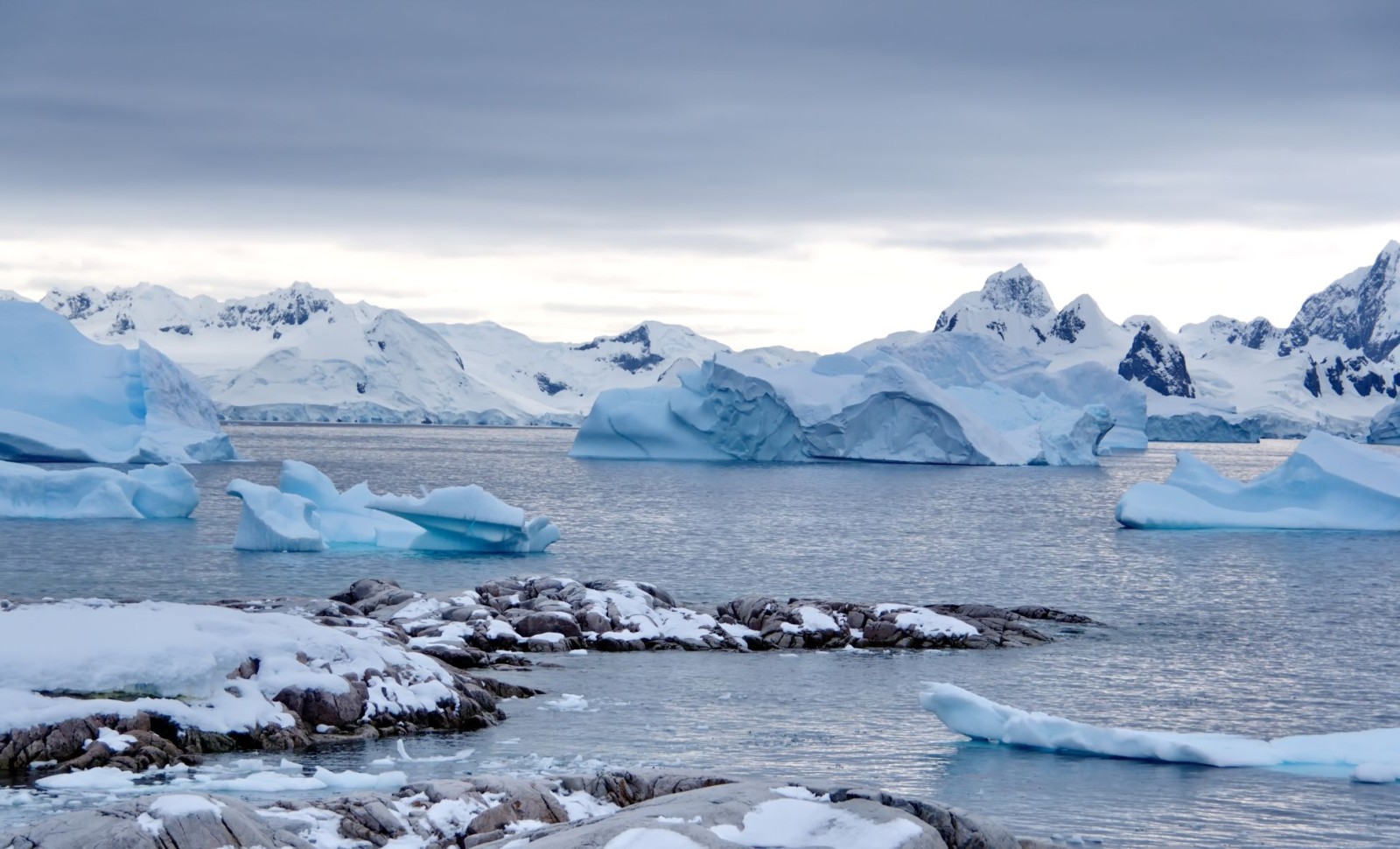
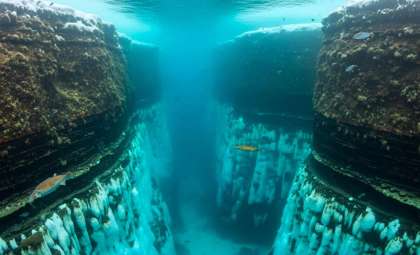
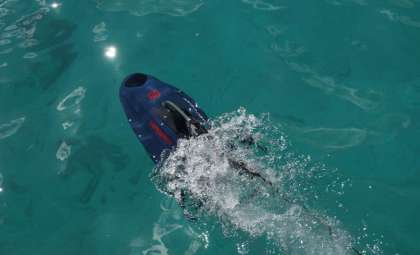
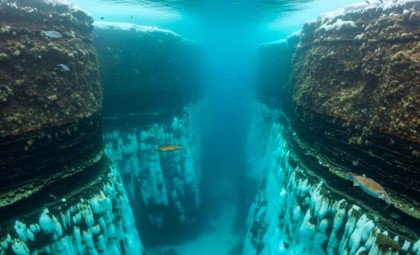
An autonomous underwater vehicle exploring the secluded waters below Antarctica’s Dotson Ice Shelf has revealed extraordinary and previously uncharted ice formations. These unique shapes, including stepped plateaus and crater-like depressions, offer new insights into the processes governing ice shelf dynamics.
These remarkable findings were detailed in a recent publication in Science Advances. However, the mission took a puzzling turn when the autonomous sub, named Ran, disappeared following the completion of its scanning operations, leaving researchers uncertain about what happened.
Unveiling Unique Ice Features Below Dotson Ice Shelf
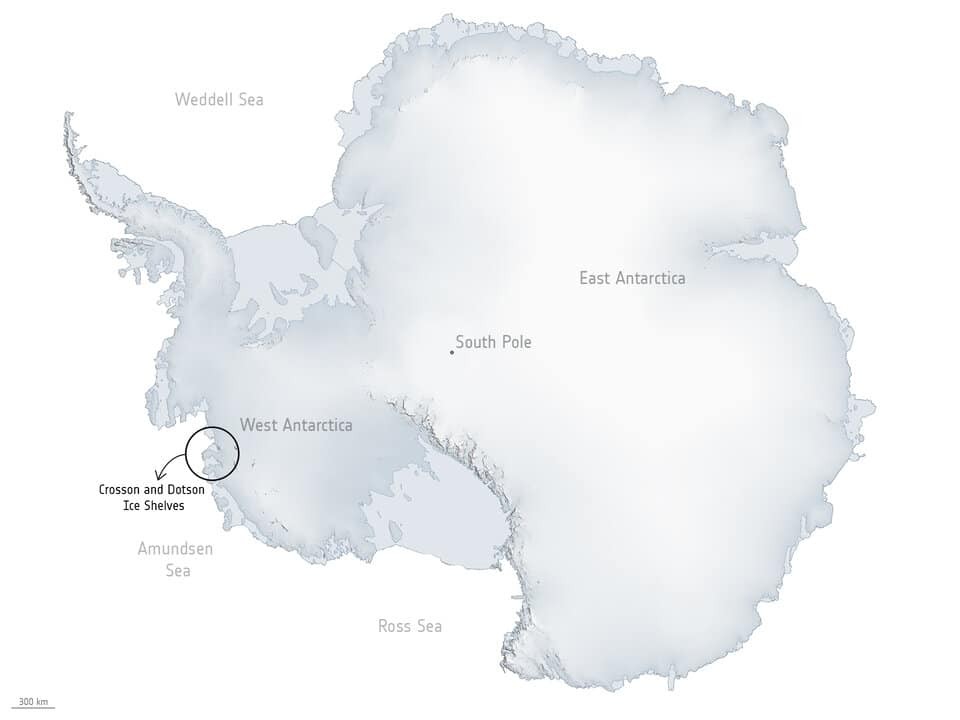
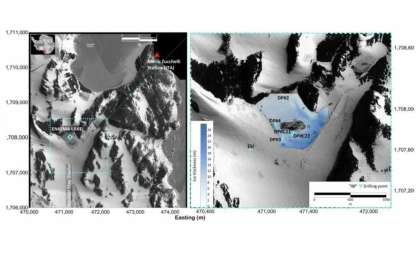
Ran’s expedition aimed to chart the underside of the Dotson Ice Shelf located in West Antarctica. Scientists sought to comprehend why melting rates dramatically contrast between the shelf’s eastern and western regions—the west experiencing swift thinning linked to proximity to warmer ocean currents, with the east melting far more slowly.

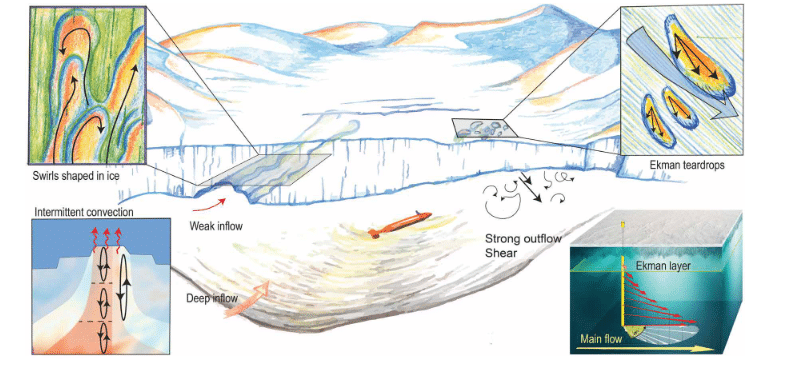
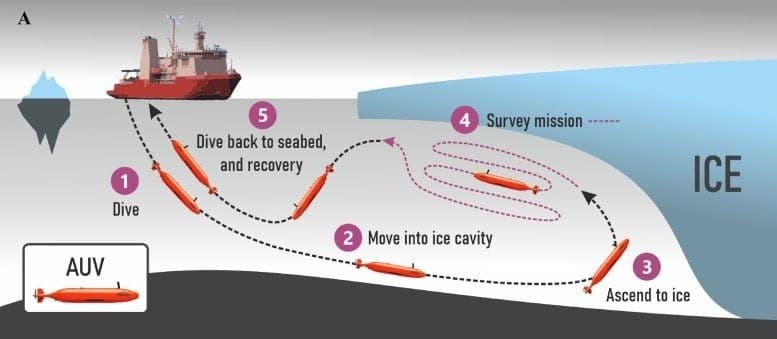
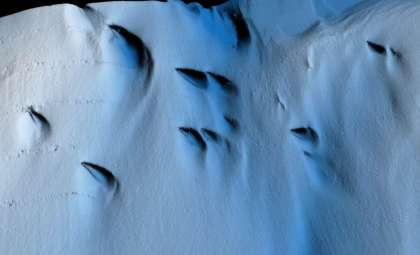
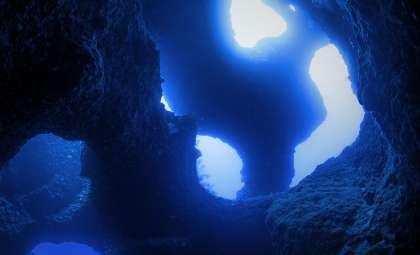
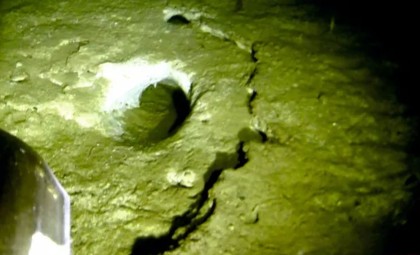
Over nearly 30 days, Ran conducted detailed sonar mapping across 54 square miles of the ice shelf. The submarine exposed an array of striking formations not previously visible via satellite imagery, such as flat terraces, stepped layers, and expansive teardrop-shaped cavities in the ice.
Anna Wåhlin from the University of Gothenburg noted these features formed through interactions between ice and melting water underneath. The teardrop hollows particularly highlight how beneath-shelf warm currents erode the ice unevenly, sculpting an underwater landscape that was until now concealed.
Impact of Warm Ocean Waters on Ice Shelf Melting
The published research identifies warm Circumpolar Deep Water intruding beneath the Dotson Ice Shelf's western section as a key factor accelerating ice loss. Conversely, the eastern portion remains comparatively insulated by colder ocean layers.
Satellite observations estimate Dotson’s ice shelf thickness is declining by roughly 40 feet annually due to this warm water inflow. The newly discovered terrain reveals that where currents flow slowly, the ice gradually erodes into stepped terraces, whereas swifter currents create distinct depressions.
The Enigmatic Loss of the Submarine Ran
While the robotic submarine’s discoveries were groundbreaking, the mission ended unexpectedly when Ran ceased communication after the final data collection. Since the submarine operated independently, the team could not interact with it during exploration.
Despite efforts to establish contact for more than 24 hours, no signals were received. Despite thorough searches, the submarine was never located and is presumed lost. Dr. Wåhlin conveyed the emotional challenge to the team:
“To see Ran disappear into the dark, unknown depths below the ice, executing her tasks for over 24 hours without communication, is of course daunting.”
Though the exact cause of Ran’s disappearance is unclear—ranging from potential mechanical failure to collision with submerged ice features—the valuable data collected will inform future studies on Antarctic ice shelf melting and its implications for rising sea levels globally.
- Categories:
- Science




0 comments
Sign in to Comment