
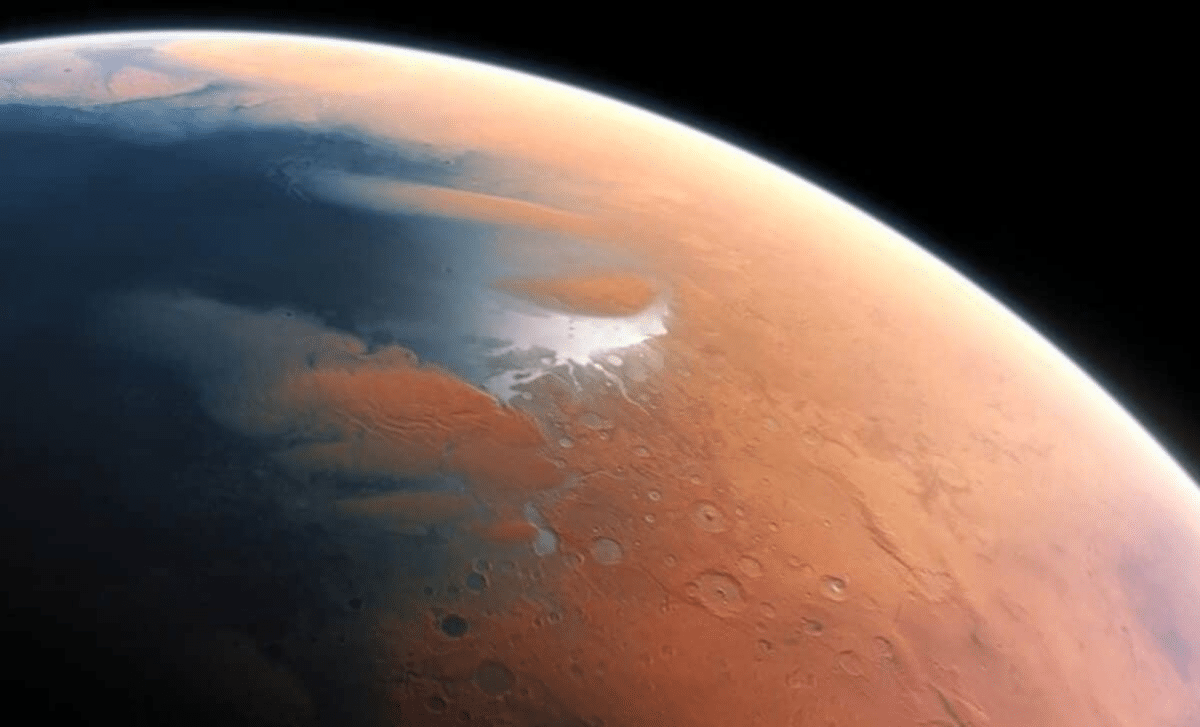
Once abundant with water and dynamic atmospheres, Mars has transformed into a parched desert world. The long-standing question of how the red planet lost its water reserves has captured scientific intrigue for years. A pioneering study published in Communications Earth & Environment on February 2, 2026, has unveiled new insights into this process. The research highlights that localized dust storms—previously overlooked—play a significant role in altering Mars’s atmosphere and driving water loss. By examining these regional dust events, scientists are gaining fresh perspectives on Mars’s climatic changes and the eventual disappearance of its water.
Local Dust Storms and Their Influence on Water Evaporation
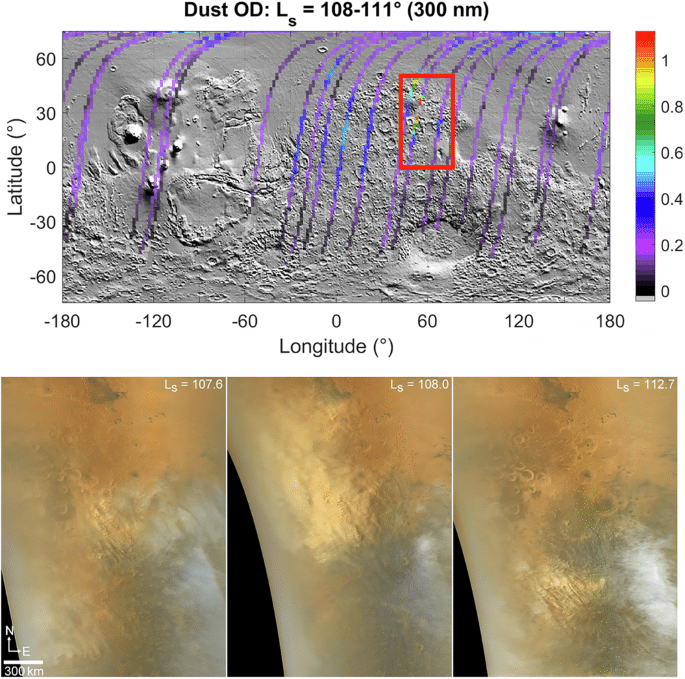
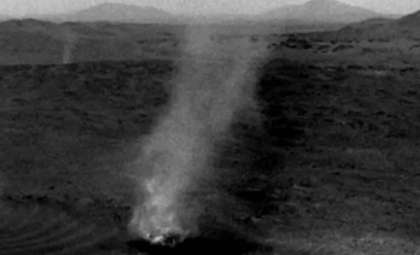
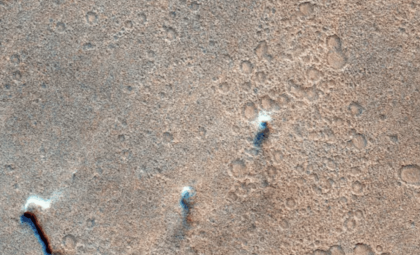
Mars’s atmosphere is notorious for frequent dust storms, yet their impact on water dynamics has often been undervalued. This investigation, conducted by teams from the Instituto de Astrofísica de Andalucía and the University of Tokyo and published in Communications Earth & Environment, revisits this assumption. Although global dust storms are known to affect Martian climate patterns, the focus here is on smaller, localized storms. These events transport water vapor to higher altitudes more efficiently, facilitating its escape into outer space.
“The findings reveal the impact of this type of storm on the planet’s climate evolution and opens a new path for understanding how Mars lost much of its water over time,” says Adrián Brines, co-lead author of the study.
Add Cosmo Herald as a Preferred Source

This breakthrough highlights the need to reassess the significance of minor dust storms, once regarded as having minimal effect compared to the massive dust events primarily during Mars’s southern summer. The study indicates that even brief, localized dust occurrences can contribute meaningfully to the gradual evaporation and loss of water on Mars.
Revealing Martian Water Vapor Transport
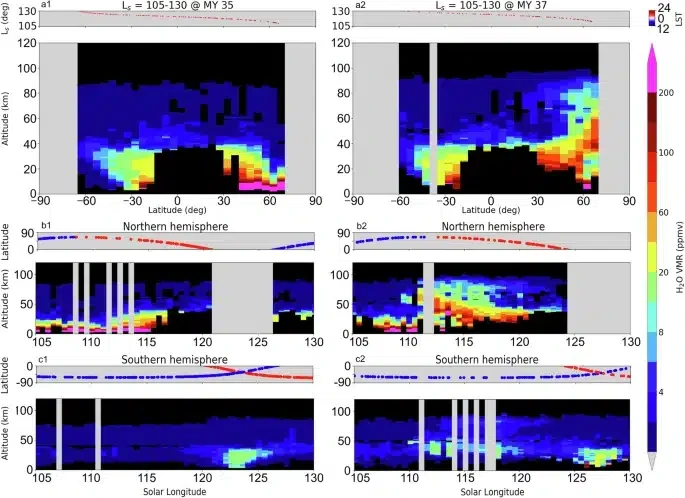
One of the pivotal findings involves an unusual surge in atmospheric water vapor detected during Mars’s northern summer season. Researchers observed that an intense, localized dust storm in Martian year 37 (corresponding to 2022–2023 on Earth) caused water vapor levels in the middle atmosphere to soar up to ten times higher than in other years. Such a spike was unprecedented, challenging existing climate simulations.
“This discovery adds a vital new piece to the incomplete puzzle of how Mars has been losing its water over billions of years,” says Shohei Aoki, co-lead author of the study.
The dramatic rise in water vapor underscores the impact of seasonal fluctuations on Mars. Previously thought to be minor, these seasonal dust-induced storms may substantially drive water vapor transport to elevated altitudes, where thin atmospheric conditions make loss to space more likely.
Hydrogen Escape as a Key Driver in Water Depletion
Central to understanding Mars’s water loss is the escape of hydrogen atoms from the atmosphere. When water molecules break apart, hydrogen can be lost to space. After the studied dust storm, a dramatic increase in hydrogen levels was recorded at the exobase—the boundary layer where Mars’s atmosphere fades into space. Measurements showed a 2.5-fold increase relative to previous years during the same period, indicating significant water depletion.
The escape of hydrogen serves as an essential measure of Mars’s cumulative water loss over geological time.
“These results show that short but intense episodes can play a relevant role in the climate evolution of the red planet,” Aoki concludes.
This enhanced understanding stresses that even brief, localized storms can substantially influence Mars’s atmospheric chemistry and water escape mechanisms, rivaling the effects of larger global dust storms.
Consequences for Martian Climate History
The findings offer valuable clues into how Mars’s climate has transformed from a once wetter environment to today’s arid world. Recognizing the role of regional dust storms allows scientists to refine climate models by accounting for previously underestimated atmospheric phenomena. This could imply that Mars’s past climate included more frequent and vigorous weather systems, accelerating water loss and exacerbating the planet’s desiccation.
These insights pave the way for further exploration of how transient atmospheric events might have shaped Mars’s long-term climate evolution and its potential to support life during earlier epochs.
Future Directions in Dust Storm Research
Discovering that regional dust storms significantly influence Mars’s water depletion shifts attention to the importance of smaller-scale weather phenomena. Previously, the focus was primarily on vast global dust storms, but these findings reveal that more frequent localized events warrant deeper investigation. Understanding the full spectrum of dust activity is critical for upcoming missions aimed at assessing Mars’s habitability and environmental conditions.
As space agencies develop new strategies to explore Mars, monitoring dust storm patterns will be crucial to predict atmospheric behavior and its implications for water retention on the planet.
- Categories:
- News






0 comments
Sign in to Comment