
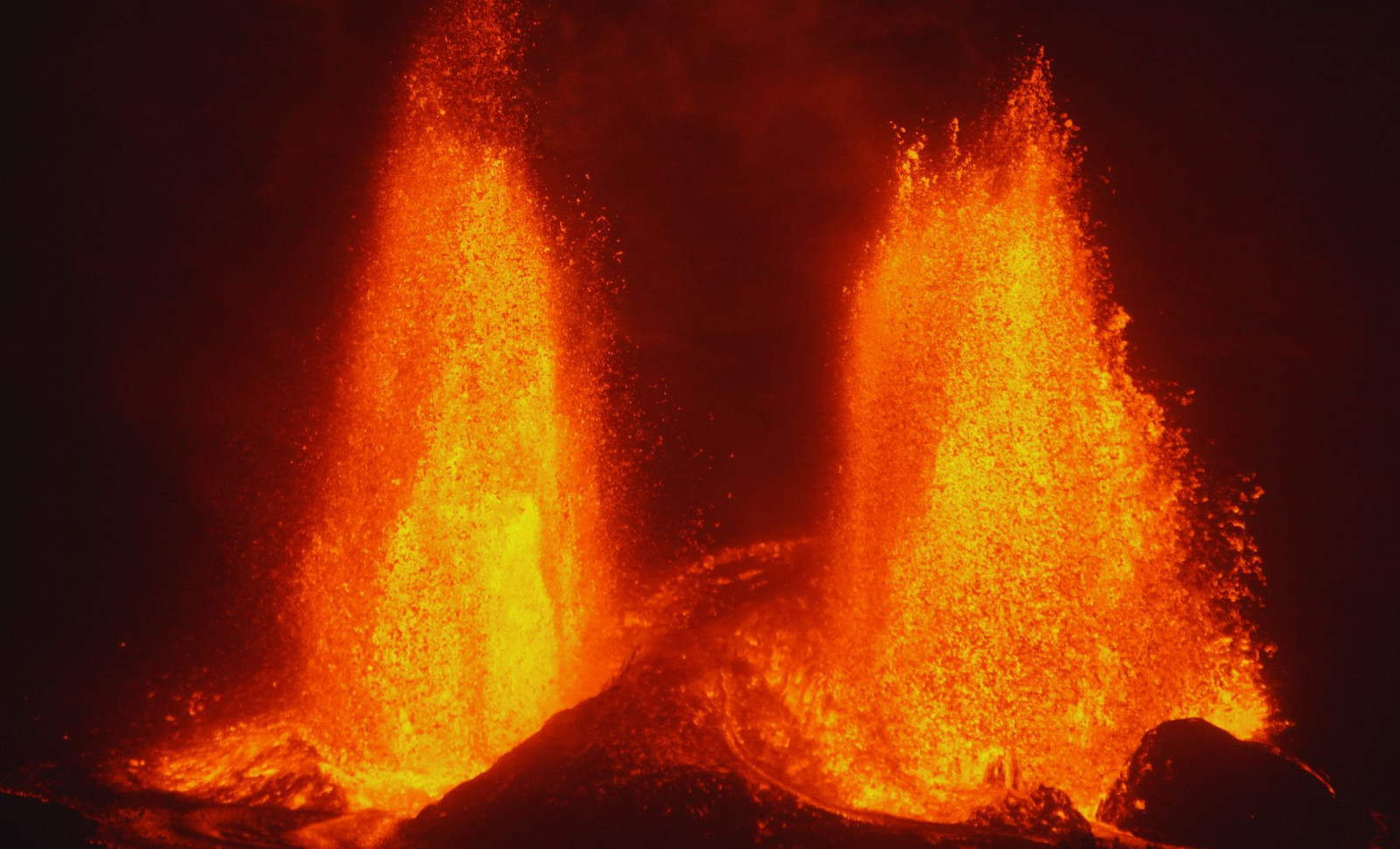
Five of Jupiter’s moon Io volcanoes erupted at the same moment, unleashing a massive flow of lava and providing fresh insights into the moon’s internal structure. This extraordinary observation, captured by NASA’s Juno spacecraft, points to a possible extensive magma system beneath Io’s surface, hinting at a porous, sponge-like interior.
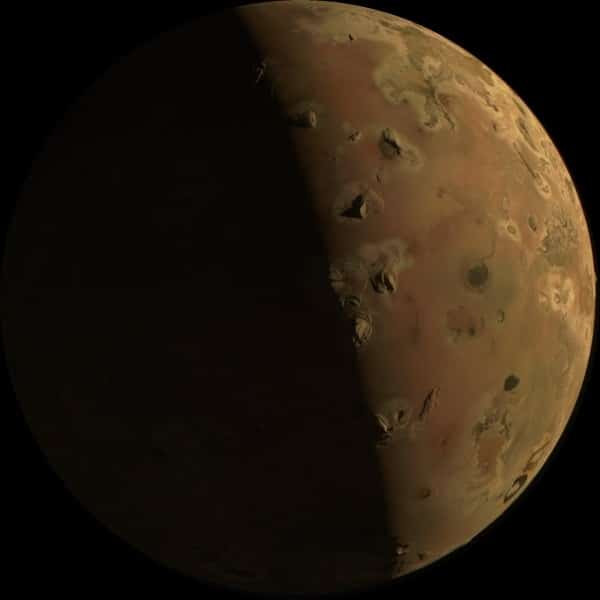
Scientists have long been intrigued by Io’s inner composition, as it boasts the most intense volcanic activity recorded anywhere in the solar system. The coordinated eruptions in late 2024 offer valuable new information that could transform current theories about the moon’s geology.
An Unprecedented Volcanic Phenomenon
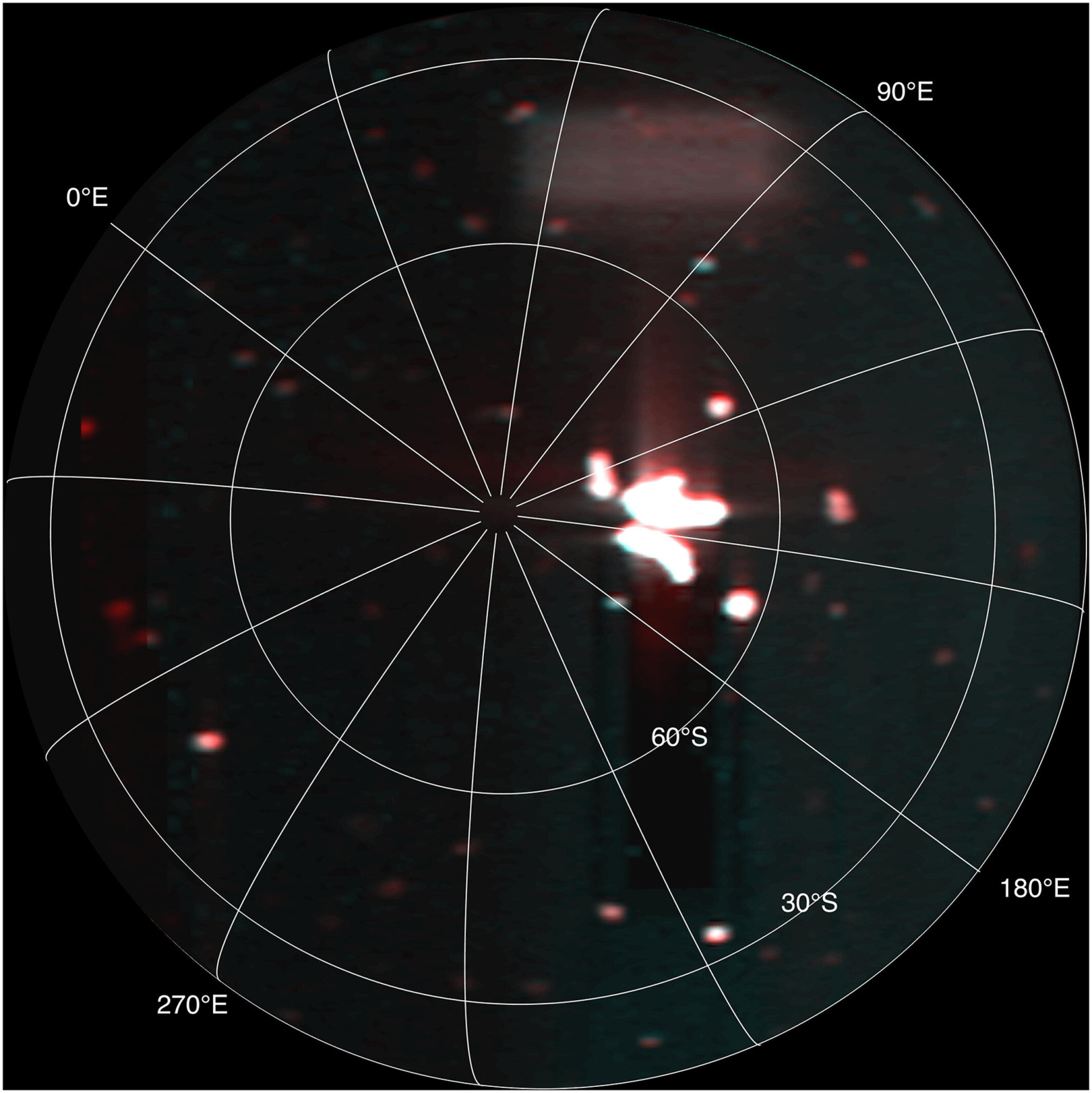
In December 2024, researchers observing Io via NASA’s Juno spacecraft detected a powerful volcanic outburst near the moon’s southern pole. Initially focused on one dominant lava flow, they soon realized that multiple volcanic sites had ignited simultaneously.

“There was this one gigantic eruption and lava flow, and that’s what first caught our eye,” said Jani Radebaugh, a planetary scientist at Brigham Young University. “But on second look, all these other hotspots lit up as well.”
The eruption resulted in an astonishing volume of lava, surpassing typical volcanic events observed on Earth or other celestial bodies. This rare occurrence implies the volcanoes could be interconnected through a deep magma network beneath Io, enabling a simultaneous outpouring on an extraordinary scale.
A Potentially Spongy Interior: A New Hypothesis
The coinciding eruptions have led researchers to suggest a novel idea about Io’s inner makeup. As Radebaugh explains:
“There’s so much magma that we can’t quite wrap our minds around it.”
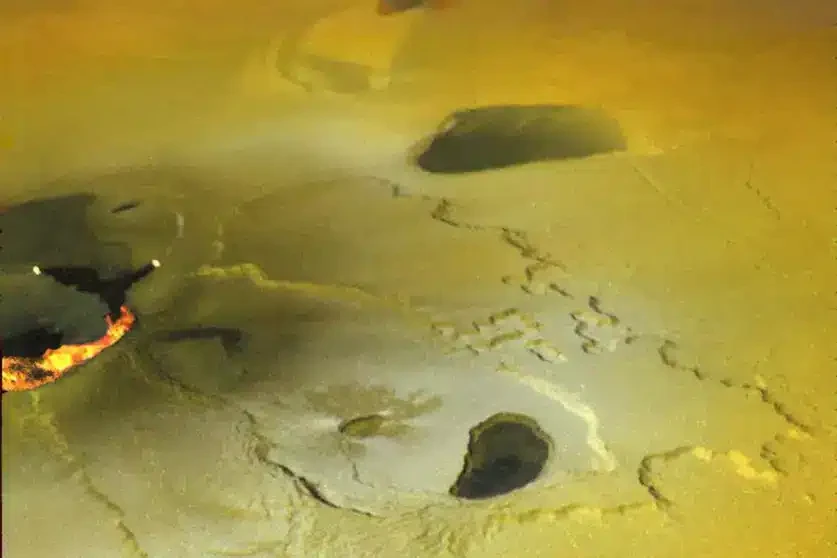
According to JGR Planets, these eruptions imply Io’s interior might not be solid rock, but instead could consist of a porous structure through which magma moves freely. This would help explain the moon’s intense volcanic activity, as interconnected magma reservoirs would allow vast lava flows to erupt simultaneously.
This new perspective challenges previous assumptions about Io’s inner composition and suggests its geological activity may be more intricate and dynamic. Ongoing studies aim to collect further evidence to verify this theory and understand its impact on Io’s volcanic behavior.
Implications for Upcoming Space Missions
As the analysis of Juno’s observations continues, scientists may need to rethink strategies for exploring volcanic phenomena on moons and planets. Studying Io’s interconnected magma system could help refine methods for investigating volcanic worlds across our solar system.
This discovery also raises intriguing questions about volcanic processes on other Jupiter moons and beyond. If Io’s volcanoes are part of a widespread subterranean magma network, might similar structures be found elsewhere in the solar system?
Future missions targeting Io will likely prioritize understanding its magma distribution, potentially unlocking new knowledge about planetary formation and volcanic mechanisms.
- Categories:
- Astronomy






0 comments
Sign in to Comment