
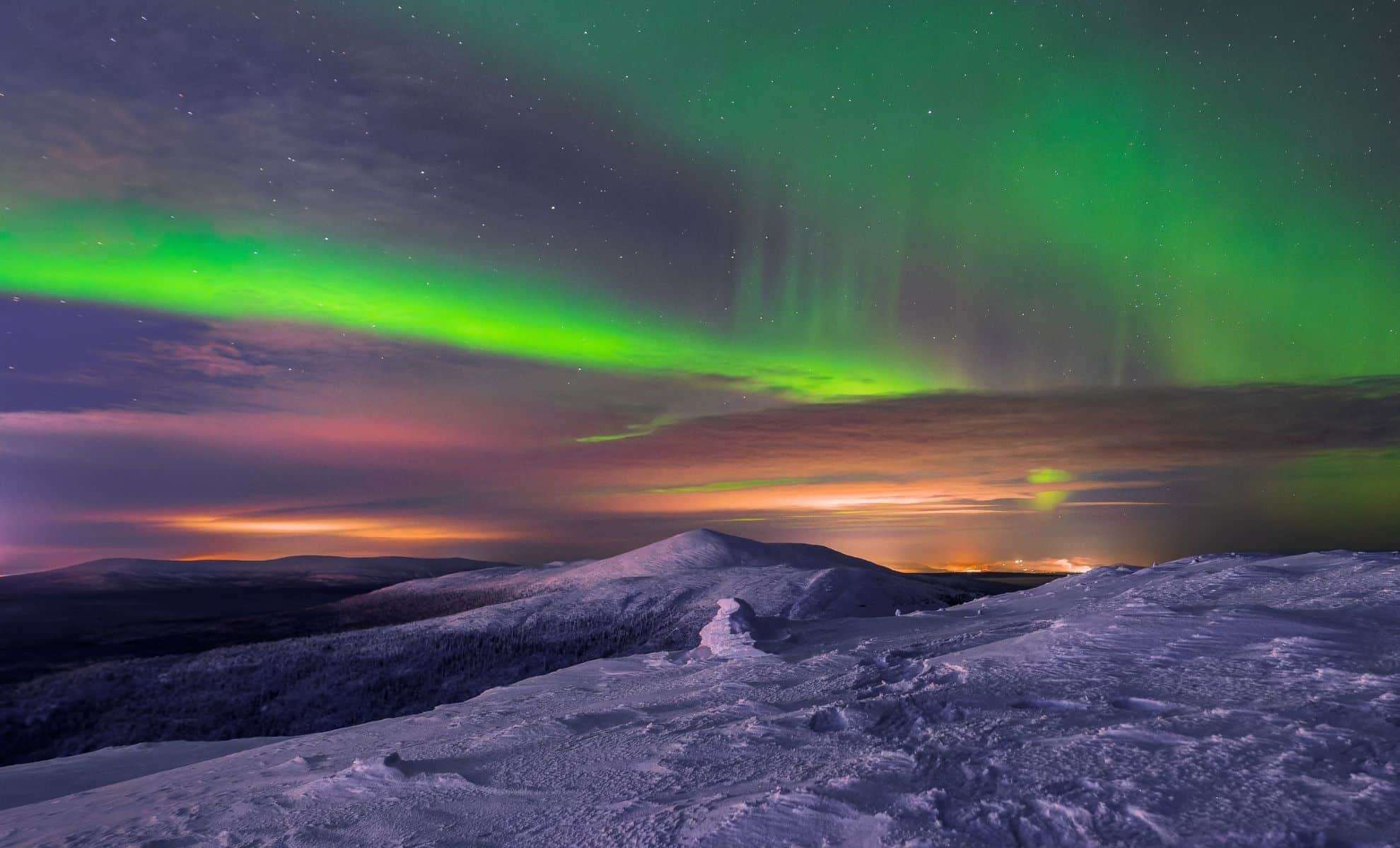
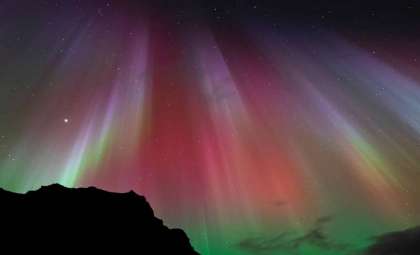
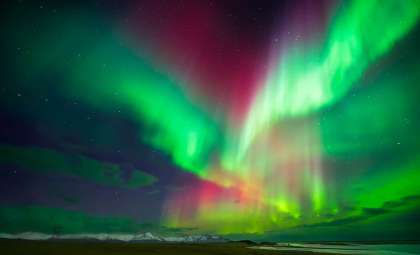
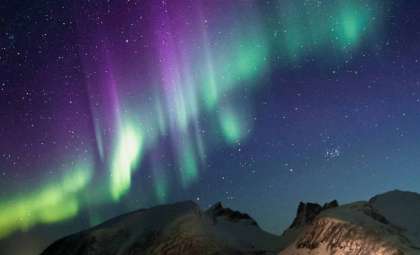
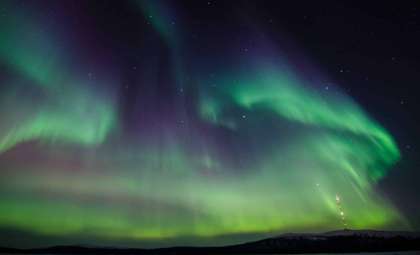
This weekend, a dazzling natural light show might grace the skies over much of the United States as a solar storm makes its way toward our planet. Forecasters have issued a geomagnetic storm alert for Friday and Saturday, August 8 and 9, signaling the possibility that the northern lights, or auroras, could be spotted as far south as South Dakota and Iowa.
A Moderate Geomagnetic Disturbance Approaches
The event will be driven by a moderate geomagnetic storm, which NOAA categorizes as a Category G2 storm on its five-level scale. These storms result from solar wind disturbances interacting with Earth's magnetic field, often producing stunning auroras along with minor technical glitches. Although usually manageable, such storms may impact communication systems.
The cause of this disturbance traces back to a solar flare that erupted from an active sunspot on August 5. The subsequent solar wind is expected to reach Earth within a few days, initiating the storm. NOAA’s alert highlights the chance of auroras visible across northern parts of the U.S. This geomagnetic event is driven by a solar flare and coronal mass ejection (CME), and while it’s anticipated to be less intense than major storms, it promises to put on a spectacular show for astronomy enthusiasts.

Optimal Viewing Windows for Aurora Chasers
For those eager to catch the northern lights, the prime viewing time will likely fall in the late night hours, about one to two hours after midnight. NOAA reports that the most vivid displays will occur in northern latitudes, but observers in southern states like South Dakota and Iowa may also glimpse the colorful phenomena. These shimmering lights result from charged particles colliding with Earth’s magnetosphere, creating vivid streams of color across the horizon.
Moonlight could affect visibility, as the full Sturgeon Moon rises on August 9. Its brightness may diminish the glow of the auroras, so experts suggest facing away from the moon for an enhanced view. Though auroras typically peak near midnight, the Sturgeon Moon might outshine fainter displays, so early night observation is advised.
Technological Effects of the Incoming Solar Storm
Beyond its visual allure, this solar storm could cause minor disturbances to technology. Geomagnetic storms have the potential to interfere with communication and navigation networks, especially those dependent on GPS. The energized particles in the solar wind may impact satellites orbiting close to Earth and interrupt radio communications. Although such effects are generally limited, some users might notice disruptions.
While technology could experience slight interruptions, most people will likely remember this event for its spectacular light show. Space weather specialists note that the storm’s impact will be relatively mild compared to more severe geomagnetic storms. Many sky observers across 18 states could be fortunate enough to witness this extraordinary natural phenomenon.
- Categories:
- News




0 comments
Sign in to Comment