
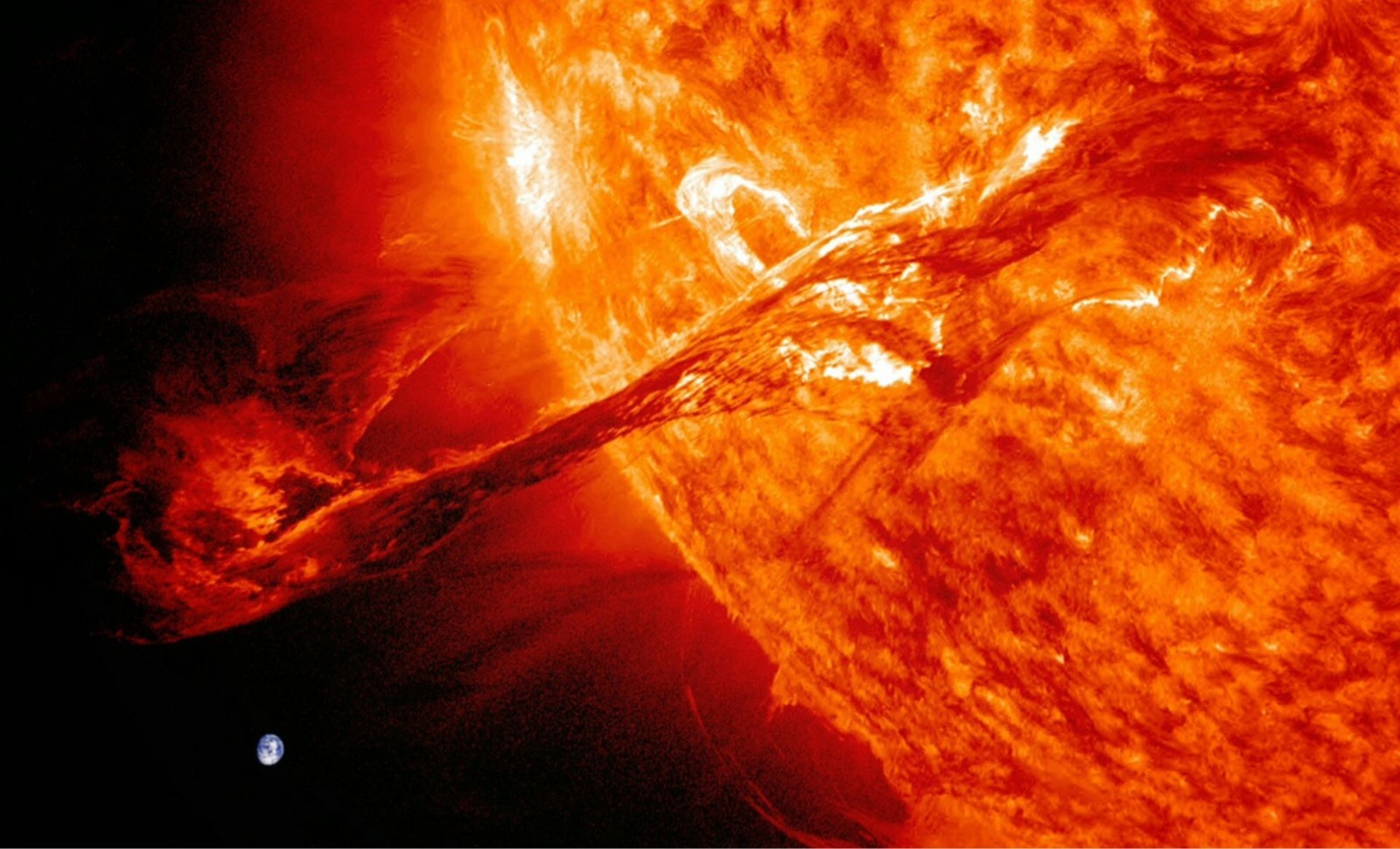
As Earth approaches the height of its current solar cycle, researchers warn of a significant health concern beyond the typical effects like dazzling auroras and satellite interruptions. A recent peer-reviewed article uncovers a notable link between geomagnetic disturbances caused by solar activity and a threefold rise in heart attack incidents among women aged 31 to 60. This discovery highlights the need to consider the biological consequences of space weather as a public health factor.
Scientists from Brazil’s National Institute for Space Research (INPE) conducted a comprehensive study involving more than 1,300 myocardial infarction (MI) cases over a seven-year span. They matched these cases with corresponding geomagnetic activity data using the planetary Kp index, an internationally recognized measurement provided by the Kyoto World Data Center. Their findings showed that on days with heightened geomagnetic activity, heart attack occurrences for women in the studied age group nearly tripled compared to periods of low magnetic disturbance.
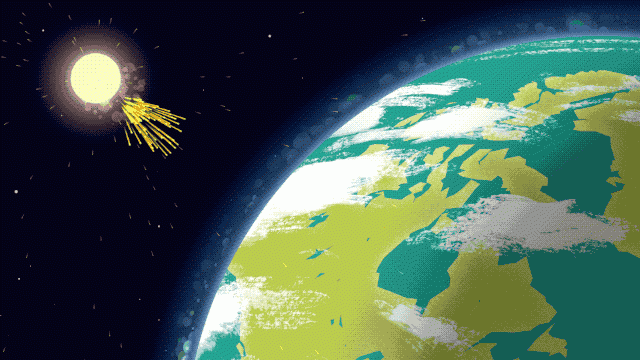
While men represented the majority of heart attack cases overall, the increase in risk during magnetic storm intervals was disproportionately higher among women. In some cases, despite fewer hospitalizations, the death rate for women even exceeded that of men, underscoring a potentially heightened vulnerability. Although the study does not prove causality, the statistical correlation is strong and signals a need for deeper exploration.

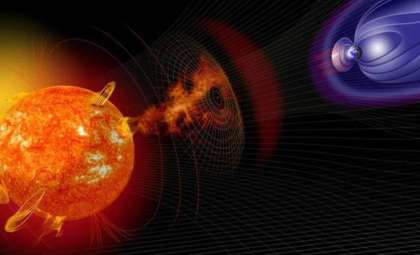
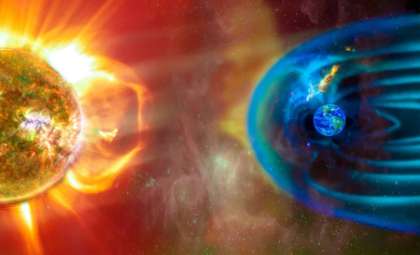
These results coincide with a period of intensified solar phenomena. As Earth faces more frequent coronal mass ejections (CMEs) affecting its magnetic field, these insights encourage the integration of solar physics considerations into public health strategies.
Insights Into Gender-Dependent Cardiovascular Risk
The study, featured in Communications Medicine, analyzed heart attack data from São José dos Campos, a city in southeastern Brazil. Researchers reviewed 1,340 MI events occurring between 1998 and 2005, largely overlapping with solar cycle 23. Days were classified as “quiet,” “moderate,” or “disturbed” based on summed daily Kp index values, which reflect geomagnetic field fluctuations.
The study revealed a striking surge in female heart attack admissions during geomagnetic storms. Women ages 31 to 60 experienced a 58% increase in MI cases on moderate disturbance days and almost a 200% rise on highly disturbed days compared to quiet periods. Contrarily, men’s heart attack rates remained fairly steady regardless of magnetic conditions.
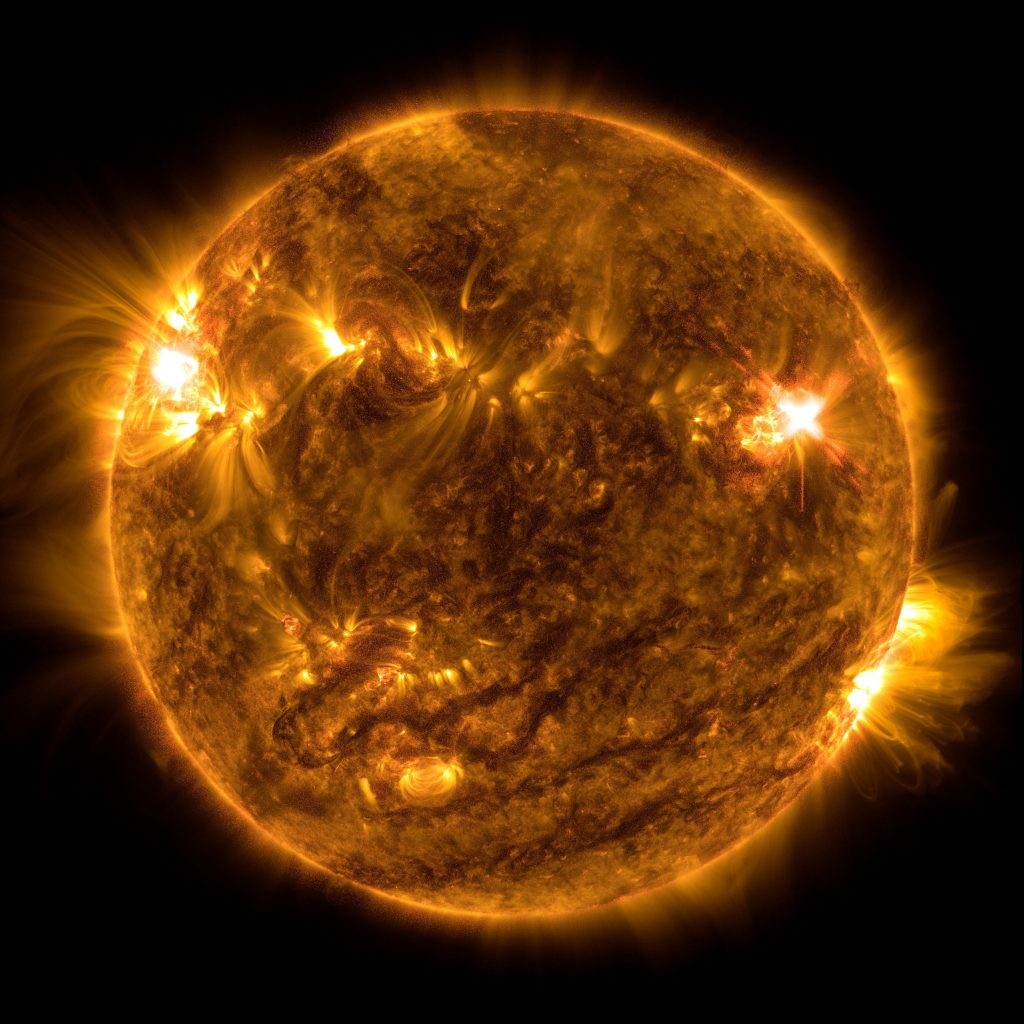
Though men made up about 65% of all heart attack cases, the male-to-female ratio narrowed when geomagnetic activity intensified—from nearly 2:1 on calm days to around 1.2:1 during disturbed periods. For those over 60, female mortality even exceeded male mortality during high geomagnetic stress, despite fewer admissions.
“Although the number of MI cases in women is lower, in geomagnetic conditions they occur in greater proportion or even in absolute numbers,” the authors noted in the original publication.
This finding builds on prior research conducted in North America and Russia that linked solar activity to increased cardiovascular incidents, including a 2019 U.S. multi-city study showing elevated mortality during geomagnetic events.
Exploring Biological Links
While observational, the study lends support to hypotheses suggesting that space weather impacts biological processes. Possible mechanisms include interference with circadian rhythms, fluctuations in blood pressure, and altered heart rate variability — all regulated by the autonomic nervous system and known to influence heart health.
Special focus is given to Schumann resonances, extremely low frequency electromagnetic waves that oscillate within Earth’s ionosphere and increase during solar storms. These resonances share frequency bands with human brain and cardiac activity, potentially disrupting physiological stability and increasing stress on the cardiovascular system.
Though definite biological pathways remain elusive, this research adds to growing evidence that geomagnetic fluctuations may act as environmental stressors influencing health, especially in those with pre-existing conditions.
Historical studies by scientists like Chizhevskii and Vernadsky documented associations between sunspot cycles and spikes in human illness and mortality, although these insights have only recently entered mainstream scientific discourse.
The Implications of Solar Cycle 25
The timing of these revelations is critical as we navigate solar cycle 25, expected to peak between late 2024 and mid-2025. The cycle is marked by increasing numbers of solar flares and CMEs, which drive disturbances in Earth’s magnetic environment.
Already in 2025, powerful geomagnetic storms have interfered with critical technologies such as GPS, aviation systems, and satellite communications, as reported by the NOAA Space Weather Prediction Center. These technical disruptions hint at broader impacts, potentially extending to human health.
If these heart attack patterns are validated globally, geomagnetic events could be recognized as an environmental health risk. Healthcare providers might start issuing geomagnetic hazard alerts, similar to current warnings for air pollution or extreme heat, focusing on sensitive populations like middle-aged women with heart conditions.
The researchers acknowledge study limitations, including reliance on data from a single locale, a relatively small sample, and observational methods. Nonetheless, the pronounced sex-specific risk highlighted by robust statistics argues for more extensive investigation.
- Categories:
- Science









0 comments
Sign in to Comment