
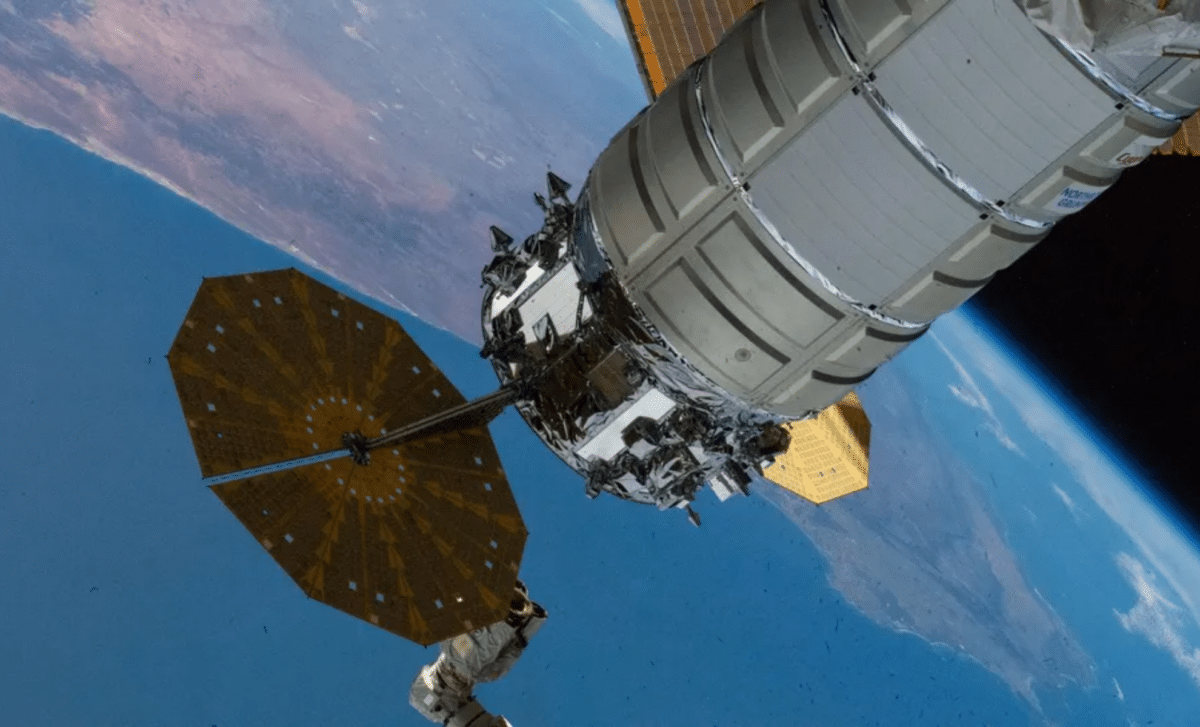
Launching on April 11 aboard a SpaceX Falcon 9, an innovative experiment aims to deepen our understanding of how prolonged space travel impacts biological systems. Tiny roundworms are being sent to the International Space Station (ISS) to observe their response and survival under the extreme conditions of microgravity and radiation. This investigation could reveal essential data about the challenges faced by humans on long-distance missions, such as those planned by NASA’s Artemis program.
Exploring How Space Environments Affect Biology
Space exposes astronauts to harsh factors like microgravity and increased radiation, which can disrupt normal cellular activities and gene expression, potentially causing numerous health complications. Scheduled for launch on April 11, this study will examine these effects by using the simple organism Caenorhabditis elegans, a type of nematode, as a biological model.
“The conditions of space, including microgravity and radiation exposure, are known to alter cells and genes in potentially harmful ways, yet the extent and causes of these changes are still a rich topic of study,” a spokesperson for the U.K. Space Agency told Space.com in an email.
Add Cosmo Herald as a Preferred Source

This pioneering research will monitor these biological transformations as they occur, delivering real-time data that could protect astronauts during future voyages to the Moon, Mars, and beyond.
The focus lies in tracking how the worms' genes and cells change while exposed to space’s extreme conditions. Its low-cost, automated setup enables continuous monitoring without astronaut intervention, making it a practical research tool for forthcoming space missions.
From Small Creatures, Big Discoveries
Created by researchers at the University of Exeter and University of Leicester, the study places the nematodes within the Cygnus XL cargo spacecraft. After launch on a SpaceX Falcon 9 rocket, the worms will remain aboard the ISS for several weeks. Following acclimatization inside, they will be transferred to an external experiment platform where they will live up to 15 weeks in orbit.
This highly automated project uses miniature cameras to track the worms’ health and fluorescent markers to reveal changes within their cells. These ongoing observations will clarify the immediate biological consequences of space conditions without the need for on-site human involvement.
Why Worms Are Key to Understanding Human Health in Space
Though astronauts’ health is a priority, human biology’s complexity makes direct in-space studies challenging. The choice of C. elegans is deliberate due to its biological similarities with humans, serving as an excellent proxy in space health research.
These worms exhibit cellular processes like aging and gene regulation similar to humans, enabling scientists to infer how space traveling might affect human cells. Monitoring these shifts could identify biological defenses against issues such as muscle wasting, bone density loss, and immune system decline, all common risks during spaceflight.
Tim Etheridge, a life sciences expert at the University of Exeter and co-designer of the experiment, emphasized its significance: “To do that safely, we need to understand how the body responds to the extreme conditions of deep space,” he said. “By studying how these worms survive and adapt in space, we can begin to identify the biological mechanisms that will ultimately help protect astronauts during long-duration missions, and bring us one step closer to humans living on the Moon.”
Implications for Future Human Space Endeavors
As missions with extended stays on the Moon and Mars are planned, understanding health risks posed by space conditions is essential. Prolonged exposure to microgravity and radiation can cause muscle atrophy, bone weakening, vision impairment, and raise the likelihood of cancer and DNA damage. Studying living organisms in space enables researchers to develop improved countermeasures and potential pharma interventions to mitigate these hazards.
The worms’ performance in space could yield breakthroughs valuable to astronauts and space medicine alike, informing safer strategies for long-term exploration. Outcomes from this research are expected to pave the way for enhanced protection of human health on future interplanetary expeditions.
- Categories:
- News








0 comments
Sign in to Comment