
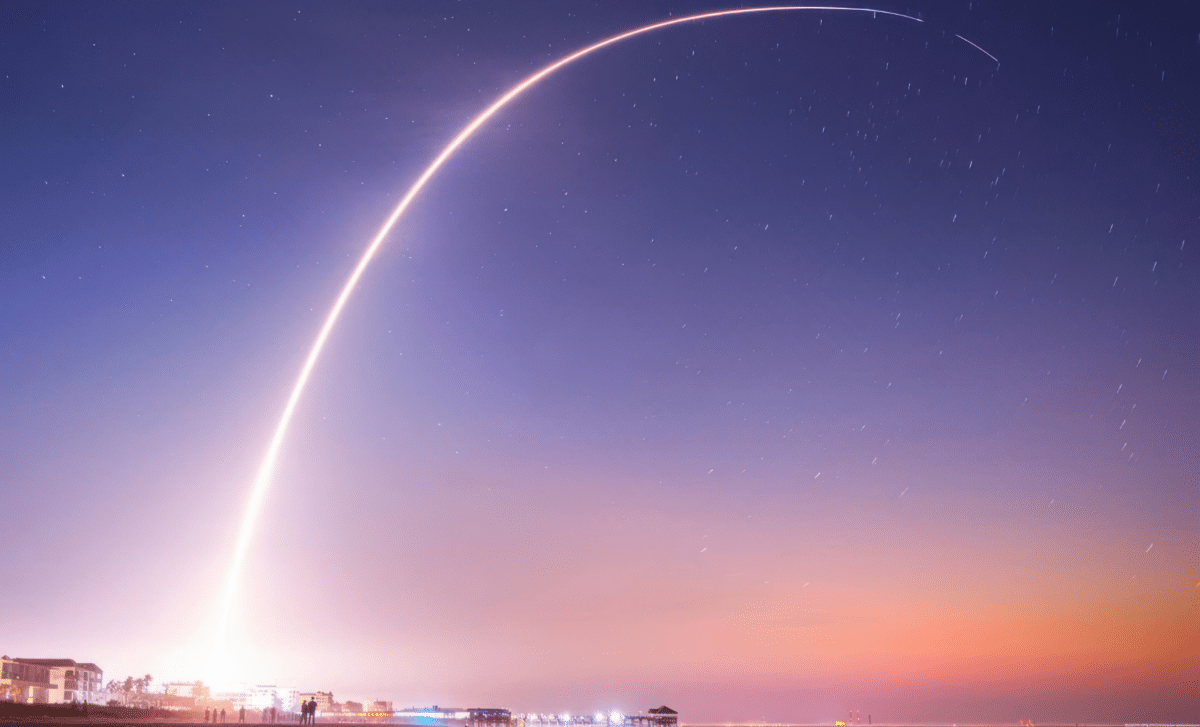
The Civil Aviation Authority of The Bahamas (CAA-B) has officially approved SpaceX to recommence rocket landings within the nation’s marine zones after a comprehensive review triggered by the 2025 Starship test flight accident. This green light allows Falcon 9 boosters to once again touch down in Exuma Sound, reaffirming the crucial partnership between SpaceX and The Bahamas. This report delves into the regulatory approval, environmental impact assessment, and the implications for future rocket recovery operations in the area.
Falcon 9 Rocket Landings Set to Resume in The Bahamas
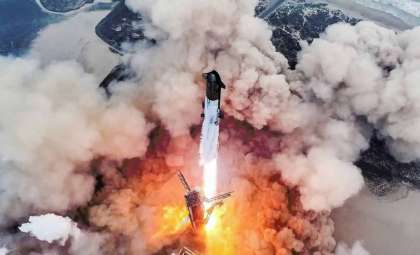
Following an almost year-long pause, SpaceX is set to restart Falcon 9 booster recoveries in Bahamian waters. This clearance comes after CAA-B finished a detailed regulatory and environmental review that ultimately endorsed the continuation of SpaceX’s landing activities. The collaboration began with a successful Falcon 9 touchdown in Exuma Sound in 2025. However, the March 2025 Starship mishap, which scattered debris over several Bahamian islands, prompted authorities to temporarily suspend further landings pending thorough safety and environmental evaluations.
SpaceX had intended to conduct numerous landings during the past year, but environmental assessments delayed operations. With full approval now secured, launches will proceed as planned. “All necessary regulatory and environmental clearances have been fulfilled in alignment with aerospace safety and operational standards,” stated CAA-B representatives, affirming confidence in the safety framework. The first recovery attempt is slated for February 19, 2026, during the Starlink Group 10-36 mission.

Environmental Evaluation: A Key Factor in Approval
The comprehensive environmental assessment played a pivotal role in the regulatory decision. The March 2025 Starship launch accident resulted in debris raining down on the Bahamian archipelago, raising serious concerns about possible ecological harm. In response, officials imposed a mandatory evaluation to gauge whether ongoing rocket landings could adversely affect the region’s environment.
Analysis focused on potential threats to marine ecosystems, local wildlife, and surrounding waters, given SpaceX’s ongoing plans to recover boosters at sea using autonomous drone ships. Considering The Bahamas’ status as an ecologically delicate and biologically rich marine habitat, this scrutiny was crucial. The study’s favorable conclusion allows SpaceX to continue operations under strict environmental safeguards.
RIP Starship 8! Great view from the Bahamas. @SpaceX #spacex #starship8 pic.twitter.com/8p2Dcx5gbz
— Stefanie Waldek (@StefanieWaldek) March 6, 2025
The Bahamas’ Strategic Role in SpaceX’s Operations
The Bahamas plays a strategic role in SpaceX’s broader launch and recovery roadmap. The Exuma Sound area is especially valuable given its close distance to Cape Canaveral Space Force Station, SpaceX’s launch site in Florida. The extensive marine expanse provides a safe and reliable environment for Falcon 9 booster touchdowns, which are integral to the company’s reusable rocket model.
Before the regulatory hold, SpaceX had planned to execute as many as 20 booster recoveries annually in this region, enhancing their refurbishment and relaunch efficiency. Although the Starship incident caused delays, the greenlight for resuming landings is anticipated to streamline recovery efforts and reduce costs—keys to SpaceX’s mission of lowering spaceflight expenses.
Landing Falcon 9 stages in Bahamian waters grants SpaceX greater operational flexibility with flight trajectories, enabling optimized scheduling and access to diverse orbits for satellite deployments, thanks to the strategic position in the Atlantic Ocean.
- Categories:
- Astronomy









0 comments
Sign in to Comment