
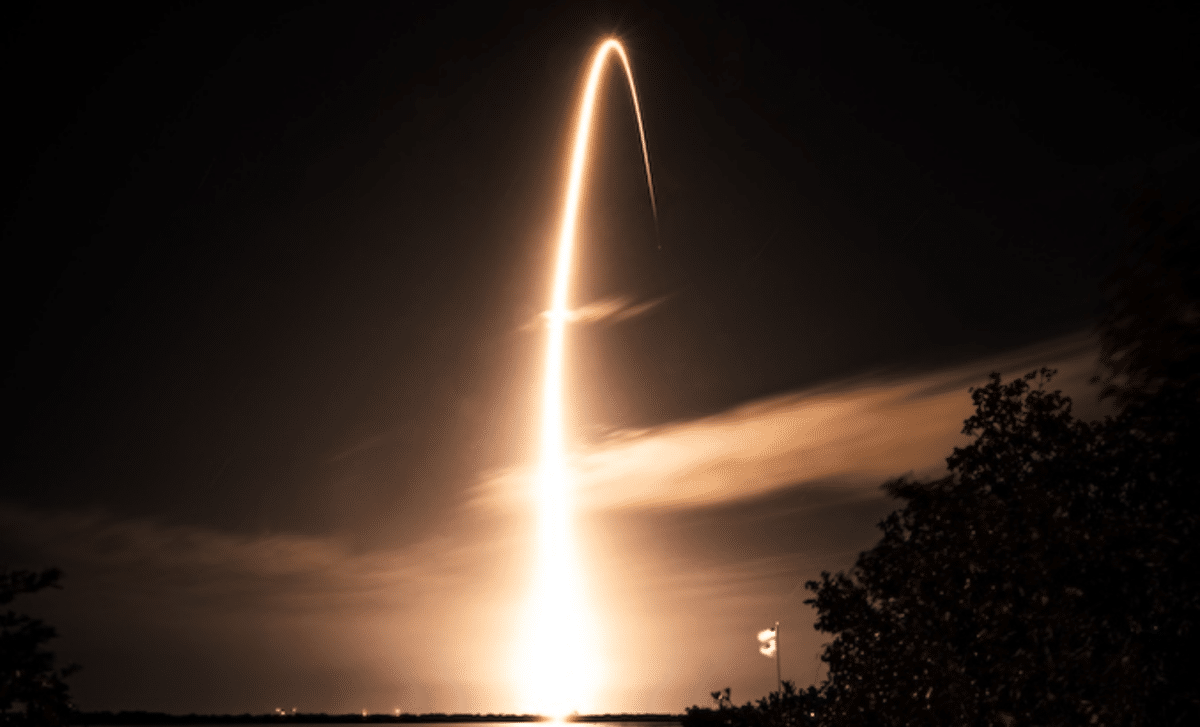
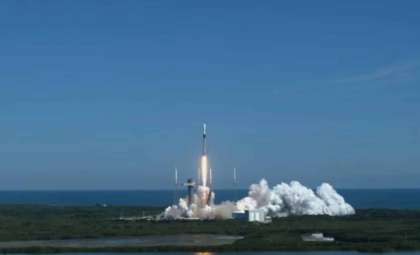
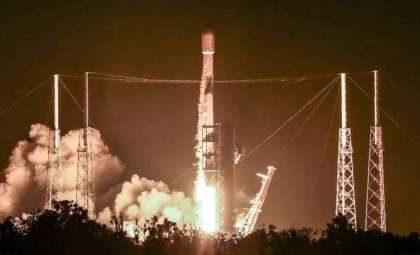
In the early hours of February 16, 2026, SpaceX successfully launched a Falcon 9 rocket from Cape Canaveral Space Force Station, advancing its Starlink satellite project. This mission, known as Starlink 6-103, contributed to SpaceX’s expanding constellation, now exceeding 9,600 satellites orbiting Earth. The launch reinforces the company's mission to bring fast internet connectivity to underserved regions worldwide. Despite difficult weather scenarios, the flight proceeded without issue, highlighting SpaceX's skill in navigating operational hurdles to keep space missions on track.
Navigating Adverse Weather Conditions
A standout detail of the Starlink 6-103 mission was the tough weather situation. Before launch, forecasts from the 45th Weather Squadron estimated just a 20% chance of favorable conditions, warning of strong winds, rain, and thunderstorms expected along Florida's coast near the launch window. Nevertheless, at precisely 2:59:40 a.m. EST, the Falcon 9 lifted off successfully. This demonstrates SpaceX’s capability to adapt quickly and make critical decisions, ensuring the rocket’s safe journey despite unpredictable weather patterns. The mission highlights how essential accurate weather analysis is for modern spaceflights, especially as private companies like SpaceX take a leading role in commercial launches.
As detailed in Spaceflight Now’s live coverage, SpaceX rigorously evaluated all weather parameters to guarantee mission safety. Potential hazards like lightning or powerful gusts threatened to delay the launch, but the engineering team successfully managed these risks, pushing forward under challenging conditions. This success underscores the increasingly pivotal role of meteorological planning in the evolving landscape of private space exploration.

The Expanding Reach of Starlink for Global Internet
The Starlink 6-103 flight is a key part of SpaceX’s strategy to deliver widespread broadband access. By adding 29 more satellites, the company strengthens its global Starlink network. By early 2026, the constellation surpasses 9,600 satellites, forming one of the largest arrays ever deployed in low Earth orbit. The initiative targets delivering reliable, high-speed internet to remote and rural communities where traditional infrastructure is lacking.
Starlink’s system now reaches millions worldwide, with SpaceX committed to continually expanding coverage and improving network speed and latency. These advances have the potential to dramatically change how underserved regions connect, removing barriers to global communication. The success of mission 6-103 further validates the feasibility of large satellite constellations to revolutionize worldwide internet accessibility.
Falcon 9’s Reusability Milestone Enhances Space Travel
A major highlight of SpaceX’s operations remains the durability and reuse of the Falcon 9 rocket. The booster for the Starlink 6-103 mission, labeled B1090, completed its 10th flight—an important achievement underscoring SpaceX’s reusable rocket program. Eight and a half minutes after liftoff, the stage touched down on the drone ship named “A Shortfall of Gravitas” stationed in the Atlantic Ocean, marking a significant advance toward more sustainable and affordable space launches.
This accomplishment reflects a broader trend in aerospace, where SpaceX’s approach to recovering and refurbishing rocket stages is revolutionizing cost structures. Reusable technology cuts launch expenses and accelerates turnaround times, making space more accessible. As SpaceX continues refining its methods, these breakthroughs are expected to shape the future path of space exploration, driving efficiency and affordability to new heights.
- Categories:
- Space






0 comments
Sign in to Comment