
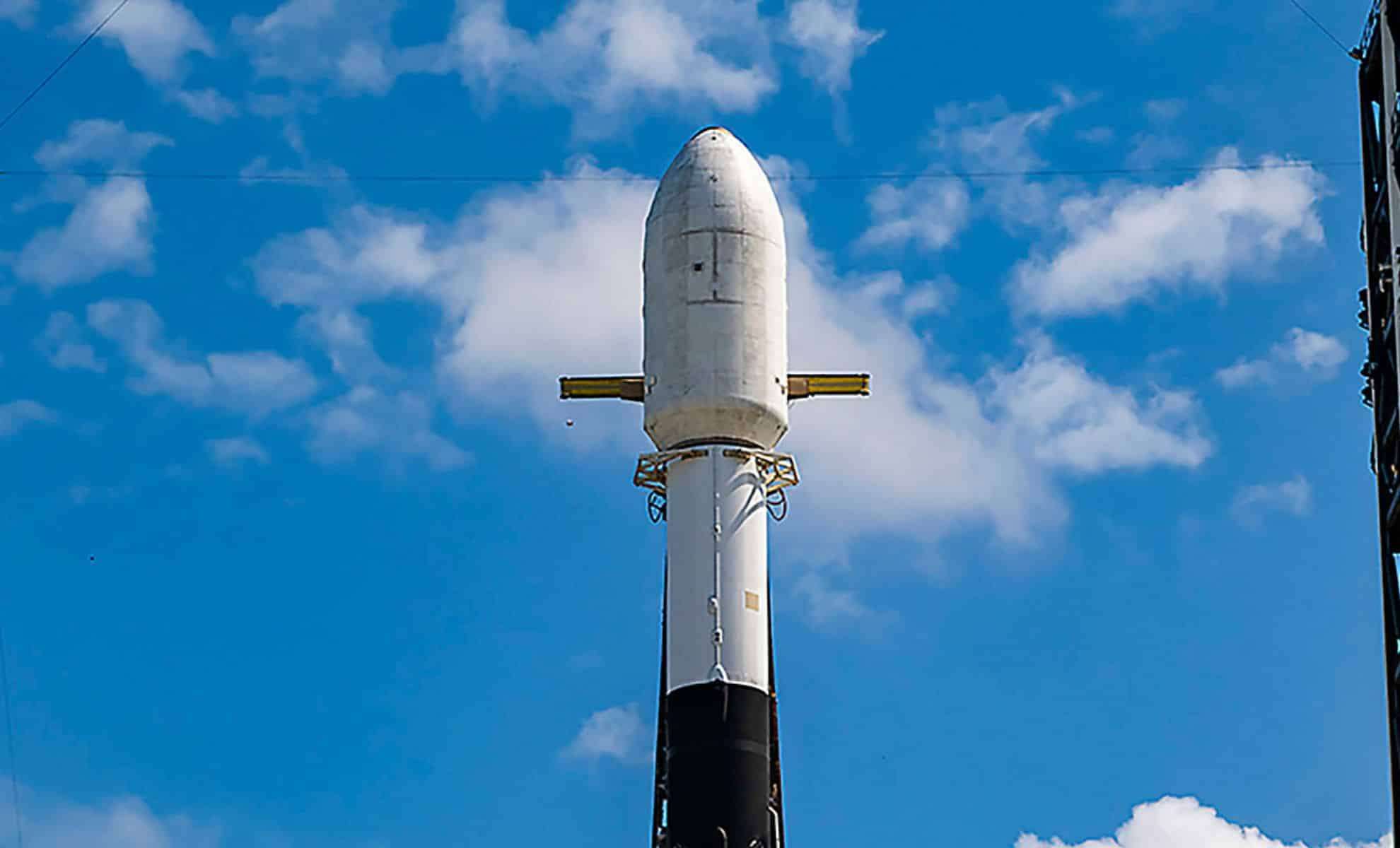
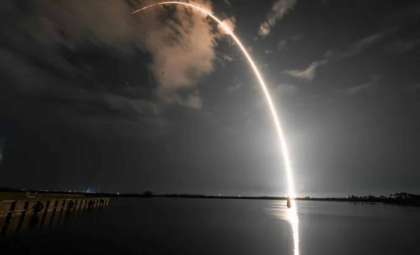
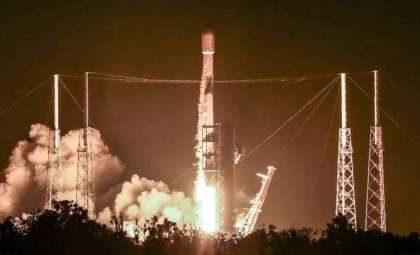
SpaceX is preparing to relaunch its Starlink 10-2 mission from Cape Canaveral Space Force Station on Sunday, June 23, 2024.
The goal of this mission is to deploy 22 additional Starlink satellites into low-Earth orbit, following a recent replacement of the rocket booster after a rare last-moment delay. This postponement, which occurred mere seconds before liftoff, has led SpaceX to implement additional measures to secure a smooth launch.
New Booster Preparation and Launch Schedule
The Falcon 9 rocket was initially set to utilize the B1073 first stage for this flight. However, after the unexpected hold on June 14, SpaceX opted to substitute it with the B1078 booster. This change was made after detecting issues during engine ignition that forced the last-second abort.

While SpaceX has not publicly shared detailed information about the problem, they have stressed safety and reliability as top priorities. Kiko Dontchev, SpaceX’s Vice President of Launch, stated on X (formerly Twitter), “Tough week dealing with production challenges and then a rare scrub at engine startup yesterday on 10-2. Unfortunately, there is a real issue so we need to go inspect the hardware in detail on this vehicle… Painful, but safety and reliability are the priority.”
Tough week dealing with production challenges and then a rare scrub at engine startup yesterday on 10-2. Unfortunately there is a real issue so we need to go inspect the hardware in detail on this vehicle. Rocket will get set to the side and we’ll pivot to SES as the rocket and… https://t.co/awcpYIv5AE
— Kiko Dontchev (@TurkeyBeaver) June 15, 2024
The updated launch is scheduled for 1:15 p.m. EDT (1715 UTC) from Space Launch Complex 40, with the launch window open until 5:01 p.m. EDT, offering multiple chances for takeoff. Booster B1078 has a proven history, having flown ten missions including notable flights like Crew-6 and USSF-124. This swap aims to minimize the risk of additional technical setbacks.
Details on Mission Goals and Prospects
Starlink 10-2 will add 22 satellites to the large and growing Starlink internet network, which seeks to deliver broadband coverage to remote and underserved locations worldwide. These new satellites will join over six thousand units already in orbit.
Jonathan McDowell, an astronomer and orbital tracking expert at the Harvard-Smithsonian Center for Astrophysics, commented, “Prior to this launch, there are 6,171 Starlink satellites in orbit, 5,235 of which are operational. This flight will expand the constellation’s capabilities.”
Following separation, the B1078 booster is expected to return and land on the drone ship A Shortfall of Gravitas located in the Atlantic Ocean.
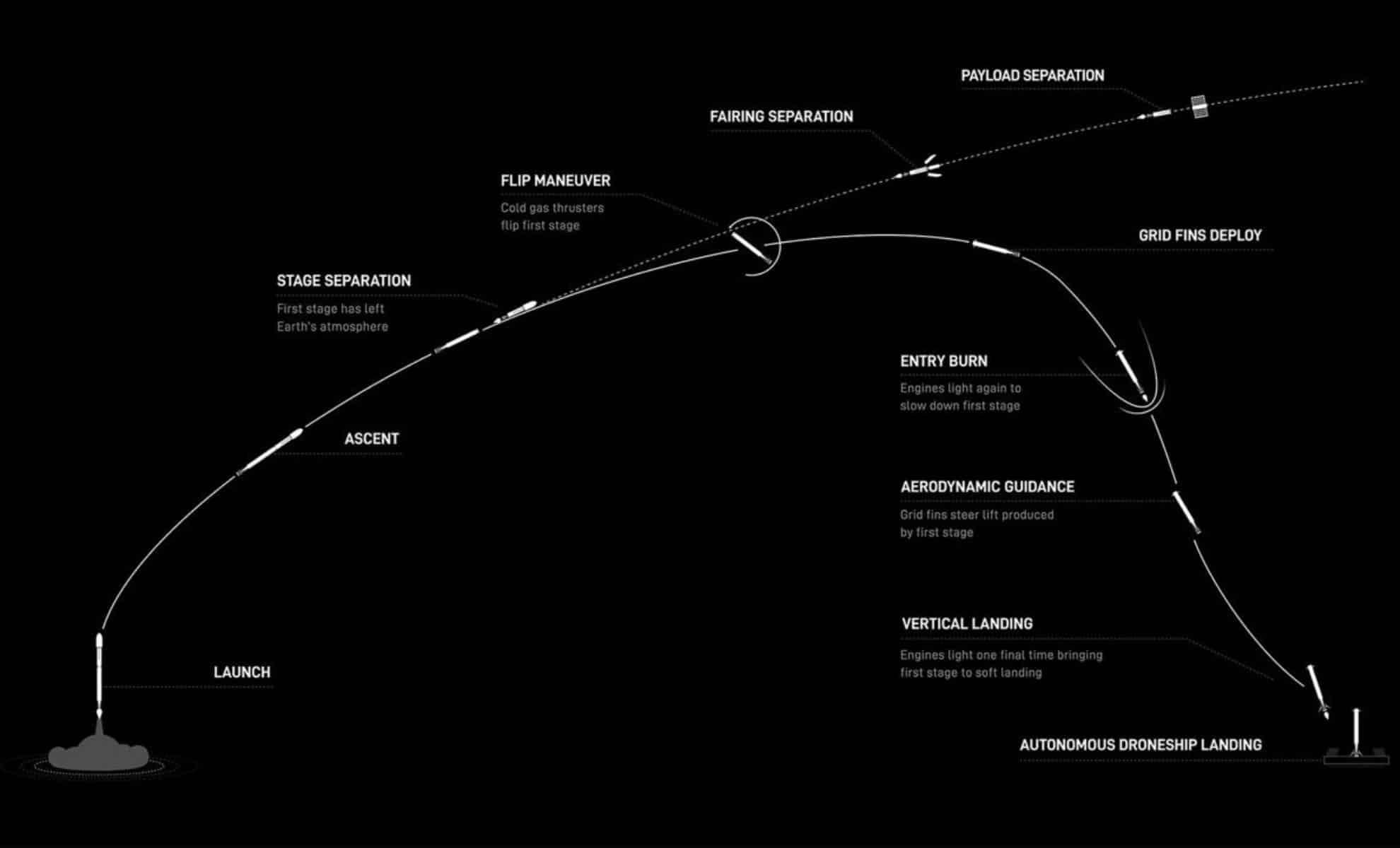
This landing will be the 75th successful booster recovery for ASOG and the 321st overall for SpaceX, continuing their pioneering efforts in rocket reusability that help reduce launch costs and support frequent satellite missions.
Possible Weather Impacts
Weather conditions remain a critical factor for the launch. The 45th Weather Squadron projects a 50% likelihood of favorable weather at the window’s opening, decreasing to 20% by the close. Main meteorological concerns include cumulus and anvil clouds, as well as surface electric fields which might interfere with the operation.
The squadron noted, “Persistent tropical moisture will linger over the Florida peninsula through early next week, bringing scattered to widespread showers and thunderstorms daily.”
If the launch is postponed again due to weather or other problems, the backup opportunity is set for Monday at 1 p.m. EDT. SpaceX has contingency plans in place, reflecting their dedication to mission safety and success.
Despite the setbacks, SpaceX is showing strong resilience and flexibility in advancing the Starlink constellation, overcoming technical and environmental challenges. A successful launch will add 22 satellites, pushing this year’s total Starlink deployments to 1,007 and maintaining the company’s position as a leader in space innovation.






0 comments
Sign in to Comment