
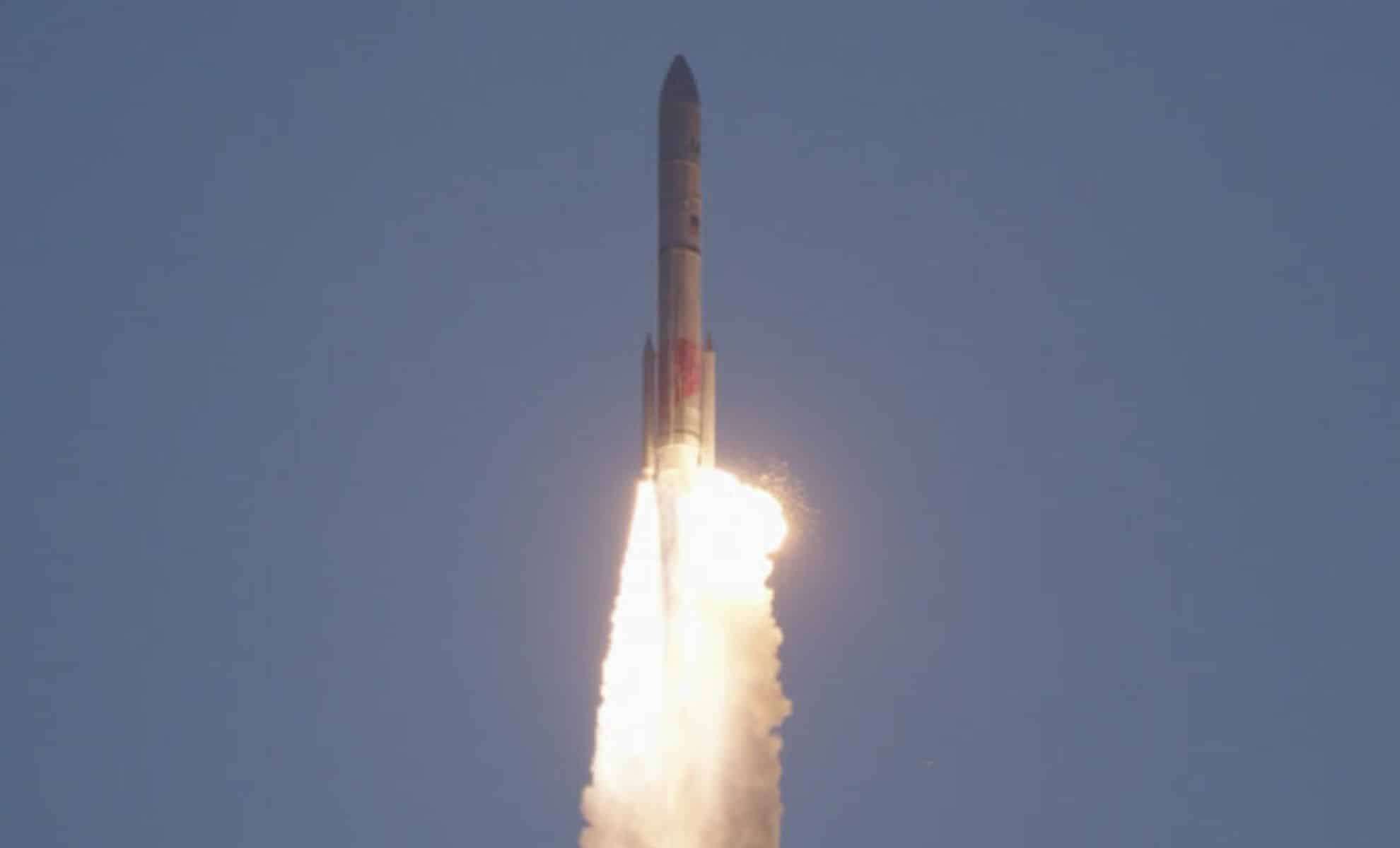
On October 4, 2024, United Launch Alliance (ULA) conducted the second flight of its Vulcan Centaur rocket, a crucial milestone toward its certification for national security assignments. Shortly after launch, at approximately 37 seconds, an issue arose with one of the rocket’s solid rocket strap-on boosters, which released sparks and fragments. Despite this unexpected event, the rocket stayed on course, allowing the mission to continue without interruption. ULA has initiated a detailed review to understand the anomaly's implications for future certification.
Mission Goals and Their Importance
The flight, designated CERT-2, is the penultimate step in a two-part certification process required before Vulcan can transport priority national security payloads for the U.S. Space Force and National Reconnaissance Office (NRO). Such payloads typically involve advanced technologies like radar and optical imaging systems, secured communication satellites, and electronic surveillance platforms. For this test, the rocket carried no active payload; instead, ULA employed a simulated payload paired with technology demonstration equipment to collect performance data.
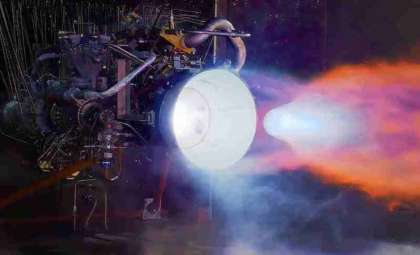
The Centaur 5 upper stage played a critical role by showcasing Vulcan’s capability to reignite its engines in orbit—a vital function for deploying sensitive national security assets into precise, high-energy trajectories. The Aerojet Rocketdyne RL10C engines successfully performed two ignitions during the 54-minute mission, providing valuable insights to engineers to better characterize the vehicle’s behavior in flight.

Implications for Vulcan’s Certification and Next Steps
While the strap-on booster malfunction was unexpected, the mission’s overall success brings ULA a step closer to certifying Vulcan Centaur for demanding national defense operations. The extent to which this anomaly may affect the certification timeline remains uncertain. Company CEO Tory Bruno noted that although the issue did not jeopardize the flight’s completion, a thorough investigation is essential to verify the rocket’s reliability moving forward. This analysis may extend the certification process, yet ULA is prepared to proceed with additional scheduled launches this year.
As Vulcan Centaur prepares to replace ULA’s aging fleet of Atlas V and Delta IV rockets, it promises more economical launches with estimated costs below $100 million. This competitively aligns Vulcan with SpaceX’s Falcon 9 and Falcon Heavy vehicles. However, unlike SpaceX’s reusable designs, Vulcan is fully expendable, which impacts pricing dynamics. Still, Vulcan’s superior payload capacity for high-energy orbits offers distinct advantages on select missions.
Currently, ULA maintains an inventory of 15 Atlas V rockets, slated for upcoming launches including Amazon’s Kuiper internet constellation and NASA’s Starliner crewed missions to the International Space Station. Upon retirement of the Atlas fleet, Vulcan Centaur will serve as ULA’s primary launcher for both governmental and commercial missions.
Future Prospects: Defense Missions and Market Position
Looking ahead, Vulcan Centaur is set to undertake two critical national security launches later this year, anticipated to carry classified payloads for the U.S. Space Force and NRO. These missions underscore the urgency to resolve the booster anomaly and finalize certification. Although specific payload details remain confidential, such launches typically involve cutting-edge defense and intelligence technologies.
With continued development, ULA aims to establish Vulcan as a reliable front-runner in the competitive space launch sector. Tory Bruno remains optimistic that despite challenges, Vulcan will stand as a dependable platform, securing ULA’s role in future launch markets.
The CERT-2 mission marks a notable advancement, yet full certification and operational clearance for national security tasks will require exhaustive scrutiny of the booster incident. The forthcoming investigation's conclusions will shape Vulcan’s deployment timeline, but ULA’s packed launch schedule highlights their readiness to meet growing national security demands.

0 comments
Sign in to Comment