
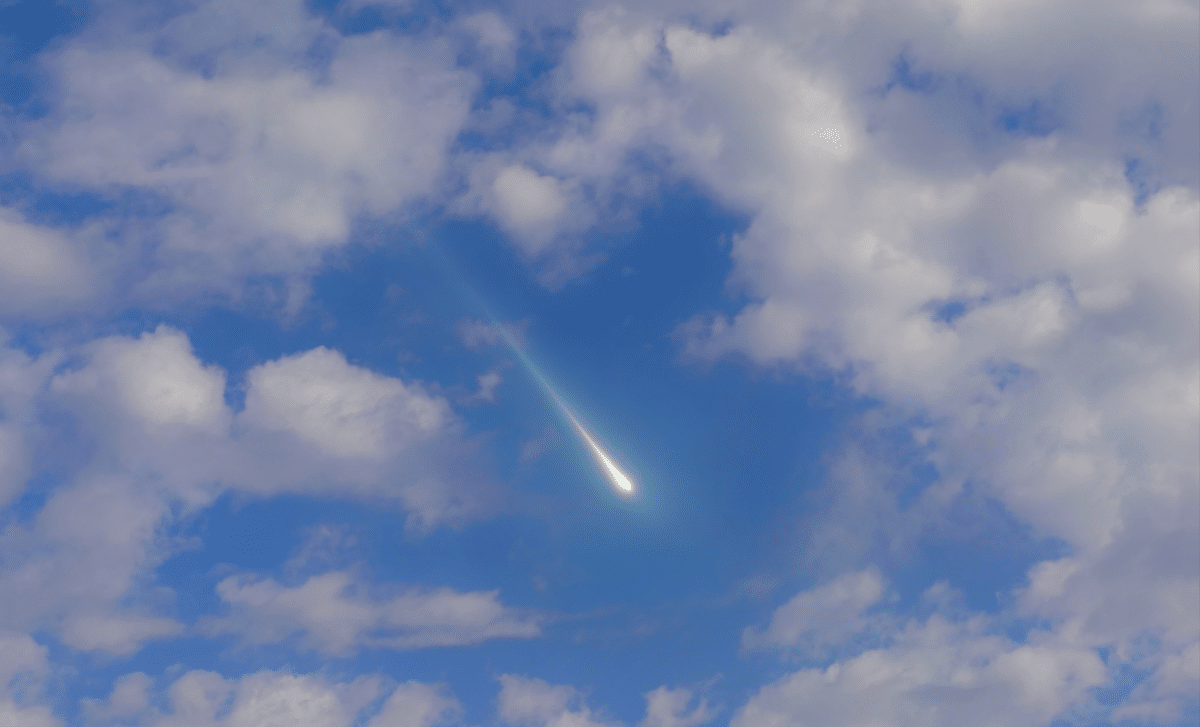
On Saturday around 2:06 pm ET, spectators throughout the northeastern U.S. witnessed a brilliant meteor streaking across the sky, culminating in a powerful detonation above Cape Cod Bay. Captured by numerous cameras and satellite instruments, the event generated a shockwave that rattled homes and sparked fascination across the region. NASA affirmed the dazzling display was caused by a rapidly descending meteor entering Earth’s atmosphere.
Meteor’s Entry and Fragmentation
Traveling at nearly 75,000 miles per hour, the meteor penetrated the atmosphere. At an altitude near 40 miles over parts of northeast Massachusetts and southeast New Hampshire, it shattered in a striking explosion. This blast unleashed energy comparable to roughly 300 tons of TNT, creating a sonic boom that was felt widely by residents.
Reports of an explosion hears around Boston I believe are going to be a rather significant bolide/meteor entering the atmosphere. Very large "flash" detected by GOES-19 GLM that does not correlate with active thunderstorms. #MAwx pic.twitter.com/EHKVxCc2vU
— Nick Stewart (@NStewWX) May 30, 2026Add Cosmo Herald as a Preferred Source

Although the blast startled numerous locals and shook windows, experts stress there was no danger to anyone on the ground. The meteor’s intense brightness and booming sound ranked it among the most remarkable fireball events observed in recent memory.
Official NASA Statement and Analysis
NASA promptly verified the incident as a natural meteor occurrence, ruling out any links to space junk or artificial satellites. Jennifer Dooren, deputy chief of NASA’s news office, explained to AFP, “This fireball was unrelated to any meteor shower currently active. It was a natural space object, not debris re-entering Earth’s atmosphere.” The collected data from ground cameras and satellites is aiding scientists in improving models of meteor behavior during atmospheric entry and fragmentation.
#MeteorSighting: Eyewitnesses in New England and @NOAA’s GOES-19 satellite reported a bright fireball on Saturday, May 30, at 2:06 p.m EDT accompanied by a loud noise. The meteor appears to have fragmented at an altitude of 40 miles over northeast MA and southeast NH. The energy…
— NASA Space Alerts (@NASASpaceAlerts) May 30, 2026
Significance for Meteor Science
The Cape Cod meteor event underscores the vital role of tracking near-Earth objects. By studying factors like approach velocity, breakup altitude, and energy output, researchers can enhance their understanding of how meteors behave during atmospheric entry. Each encounter sharpens prediction methods that help identify possible future hazards. Despite not being linked to an active meteor shower, this incident highlights both the frequency and unpredictability of natural cosmic phenomena. NASA and partner agencies continue to advocate for strong observation networks to capture these rare but important observations.
Community Responses and Reports
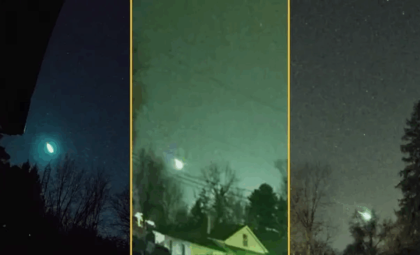
Witnesses throughout Massachusetts, New Hampshire, and nearby regions observed a brilliant trail slicing the sky followed by a booming sound. Many initially feared an earthquake had struck, prompting the United States Geological Survey to investigate and confirm the noise was caused by a “widely noticed sonic boom from a presumed bolide.” Social media was flooded with video clips and photos, enabling scientists to trace the meteor’s trajectory and refine estimates of its size and speed. The combined visual and auditory effects made the event unforgettable for local observers and an invaluable case for scientific study.
- Categories:
- News










0 comments
Sign in to Comment