
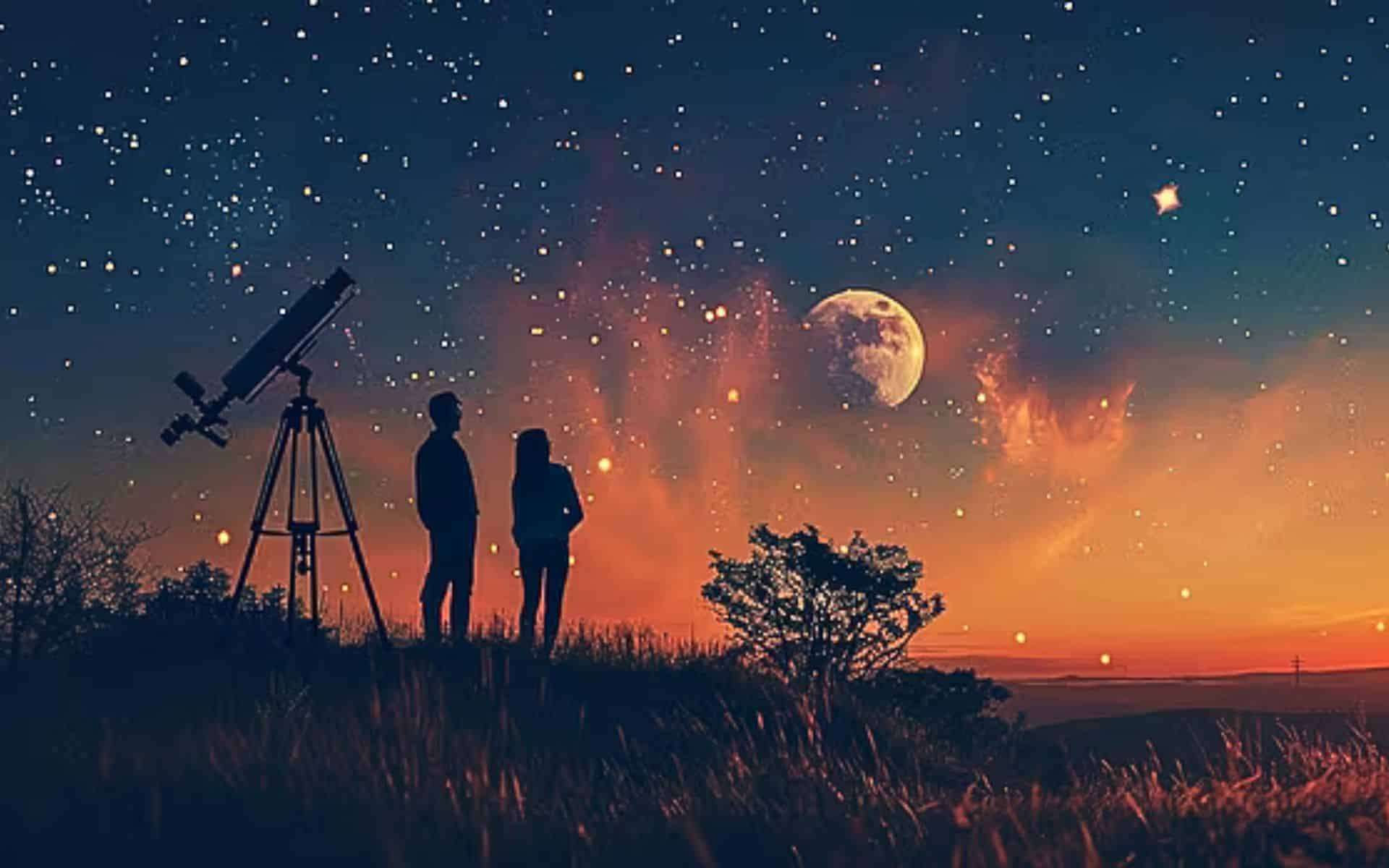
While children roam neighborhoods in costume collecting treats this Halloween, the night sky offers a spectacular celestial display for those who pause to watch.
Expect Mostly Clear Skies Across Many Areas
National weather reports indicate favorable viewing conditions on Thursday, October 31, across much of the United States. Clear or mostly clear skies are predicted in New England, the Mid-Atlantic region, parts of the Southeast extending to Florida, Northern and Central Great Plains, Texas, the Central Rockies, the Southwest Desert, and large portions of California.
High pressure over the Mid-Atlantic will bring warmer-than-usual temperatures east of the Mississippi River, while another high-pressure system will deliver cool but dry weather across the western states.

Still, some locations may experience cloudy or wet weather. Regions like Western New York, the Greater Ohio Valley, and sections of the Deep South may see clouds and showers due to an advancing cold front. Additionally, low-pressure systems in the Northern Rockies, Pacific Northwest, and Northern California are expected to bring rain and overcast skies.
Planets Venus and Saturn Shine on Halloween Evening
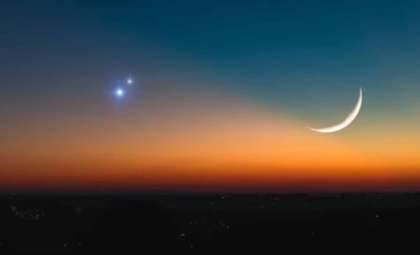
After sunset, Venus will be brightly visible low in the southwestern sky, approximately 45 minutes post-sunset. To spot it, look about 10 degrees above the horizon—roughly the span of a clenched fist held at arm’s length. Despite its brightness, Venus appears as a small gibbous disk through a telescope, about 80% illuminated, with no visible surface details.
Saturn offers a more subtle but remarkable spectacle. Rising about one-third of the way up from the southeast horizon an hour after sunset, it glows with a warm yellow tint. Its iconic rings, tilted roughly 5 degrees from our perspective, are clearly visible through even modest 30x magnification telescopes. Observing Saturn with larger scopes provides breathtaking views, often leaving younger observers awestruck.
Jupiter Rises Mid-Evening
By around 9 p.m., Jupiter becomes visible shining brightly with a silvery-white glow, about 10 degrees above the east-northeast horizon. Using a small telescope, you can observe Jupiter’s disk along with its four largest moons—the Galilean satellites Io, Europa, Callisto, and Ganymede—each positioned uniquely around the planet.
Spectacular Halloween Fireballs from the Taurid Meteor Shower
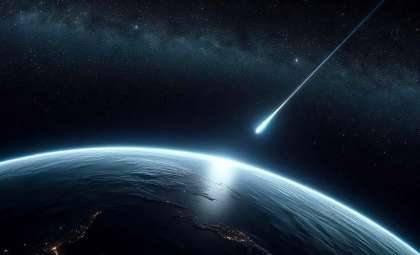
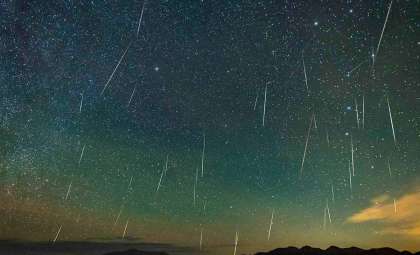
Halloween night also offers a chance to see bright Taurid meteors known as “Halloween Fireballs”. The Taurid meteor shower, famous for producing brilliant fireballs that trail glowing dust, peaks in early November but often delivers early meteors on Halloween. These meteors seem to originate from the east-northeast sky.
Should you spot a meteor streaking like a Roman candle across the night, it’s likely a Taurid fireball, adding an exciting highlight to your Halloween evening.
- Categories:
- Space





0 comments
Sign in to Comment