
The planet’s remaining uncontacted tribes continue to reside in deep seclusion, protected by dense forests, remote islands, and legal safeguards. Yet, rare drone imagery and aerial recordings have given us an extraordinary look into their worlds, capturing powerful moments of resilience, intrigue, and resistance.
From the resolutely independent Sentinelese on North Sentinel Island in India to obscure indigenous communities hidden within the Javari Valley of the Amazon rainforest, these glimpses provide a remarkably intimate and rare perspective of cultures untouched by external influence. Unfortunately, their survival is increasingly imperiled by illegal deforestation, land invasions, and infectious diseases—which urgently threaten these fragile societies.
A Unique Insight Into Hidden Worlds
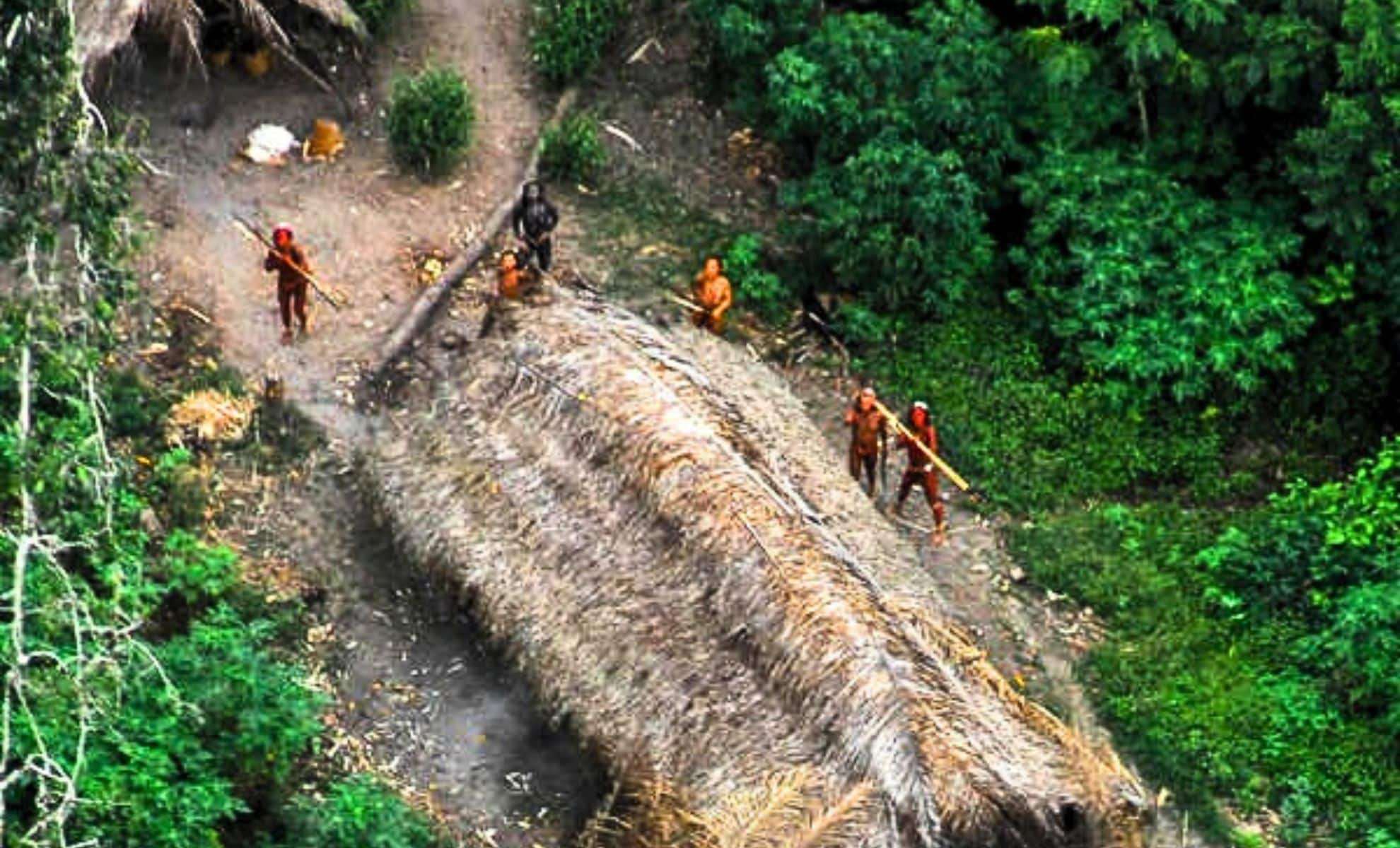
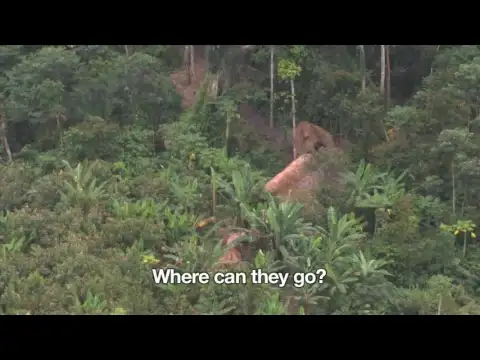
In 2018, a widely viewed compilation video uploaded by Death Island Expeditions gained over 3.5 million views, featuring exceptional footage of uncontacted peoples encountering modern technology. Taken by G. Miranda for Survival International, the images reveal indigenous inhabitants gathered in clearing spaces, cautiously watching drones hovering overhead while gripping bows and arrows.

For those watching from afar, these scenes are both captivating and unsettling—offering a tangible window into lifestyles profoundly disconnected from everyday modern experiences. One YouTube viewer remarked, “It’s astonishing to realize they have no knowledge of supermarkets, internet connectivity, or electricity.”
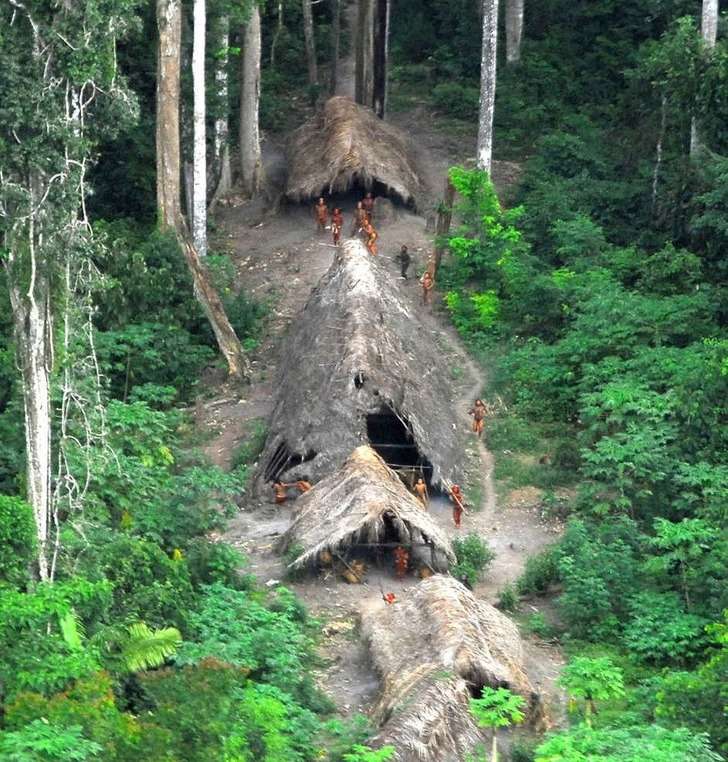
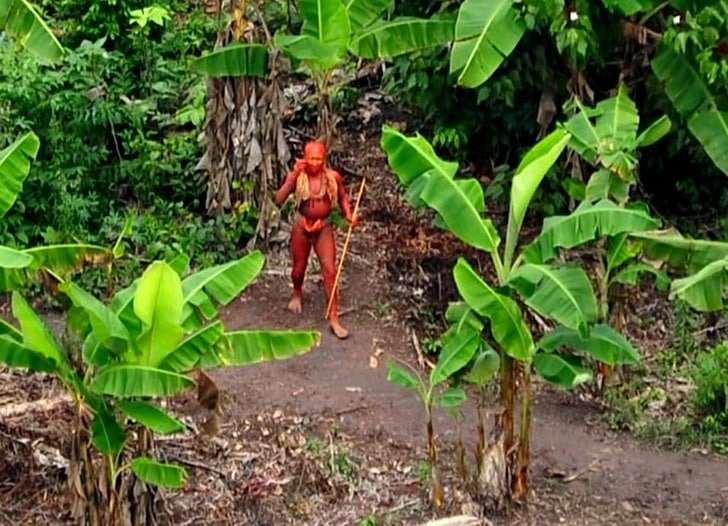
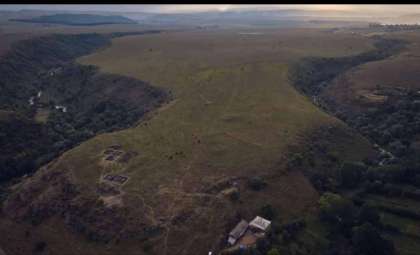
The footage ranges from bird’s-eye views of simple villages constructed from natural materials to close-in shots of tribe members dressed traditionally—sometimes defensive, other times quietly curious.
Meet the Sentinelese and Amazon’s Hidden Tribes
Perhaps the most widely known uncontacted group is the Sentinelese, who dwell on North Sentinel Island within India’s Andaman archipelago. Estimated to number between 50 and 200 members, they have unfailingly rejected external contact for thousands of years.
They vigorously defend their territory, often using bows and spears to keep visitors away from boats or aircraft. Recognizing the dangers of disease vulnerability and cultural disturbance, Indian authorities have prohibited any direct interaction with the tribe.
Farther inland, the Amazon Rainforest’s Javari Valley at the Brazil-Peru border shelters other uncontacted indigenous peoples. Brazil’s government agency FUNAI (Fundação Nacional do Índio) monitors these groups while striving to protect them against illegal loggers, miners, and traffickers invading their lands.
Modern Threats Jeopardize Their Survival
Even with legislative safeguards, uncontacted tribes face growing perils from the outside world. Survival International highlights some of the most pressing risks:
- Destruction of habitat and unlawful land seizures – Illegal logging, mining, and farming are rapidly encroaching on their protected territories, endangering their environment and traditional lifestyles.
- Introduction of diseases – With no resistance to common viruses such as the flu or measles, unintended contact with outsiders can have devastating effects on community health.
- Physical violence and exploitation – In certain situations, illegal operators like gold miners and drug traffickers have launched attacks against indigenous populations, sparking violent confrontations.
José Carlos dos Reis Meirelles Júnior, an expert specializing in uncontacted peoples, has dedicated decades collaborating with FUNAI to register and safeguard these groups. “We conducted aerial surveys to document their homes and prove their continued presence,” he affirmed, emphasizing the critical importance of their protection.
The Fatal Outcome of Forced Contact: John Allen Chau's Story
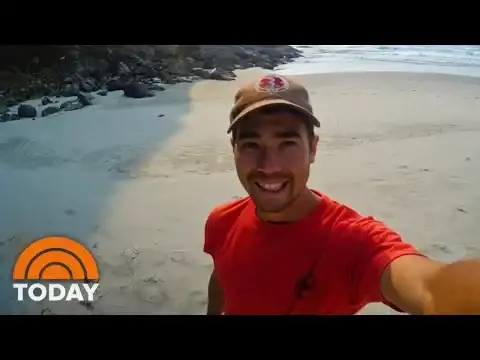
The fascination with uncontacted groups has sometimes ended in tragedy. The documentary The Mission, co-directed by Amanda McBaine and Jesse Moss, chronicles the fatal attempt of John Allen Chau, an American missionary, to engage with the Sentinelese in 2018.
Disregarding India’s strict no-contact laws, Chau hired local fishermen to approach North Sentinel Island, aiming to convert the tribe to Christianity. Upon arrival, he was met with hostility as the tribe launched arrows against him. Days later, his body was discovered on the shoreline, and rescue efforts were abandoned to avoid further conflict.
This incident raises difficult ethical questions about contacting uncontacted tribes. Should these peoples remain isolated, or should outsiders attempt engagement? Many experts advocate that non-interference remains the only ethical approach, given the historical devastation caused by disease, exploitation, and cultural upheaval following contact.
Preserving a Vanishing Way of Life?
As drone and satellite technologies continue to expose undocumented tribes, the debate grows louder: must their seclusion be fiercely defended at all costs, or is their disappearance inevitable?
One thing remains clear: their survival hinges on stronger land protection enforcement, harsher actions against illegal exploitation, and broad public awareness. Without this, the world’s last uncontacted peoples may soon become part of history.
Their future hangs in balance—will they remain unseen by the modern world, or will global change ultimately reach them?
- Categories:
- News







0 comments
Sign in to Comment