
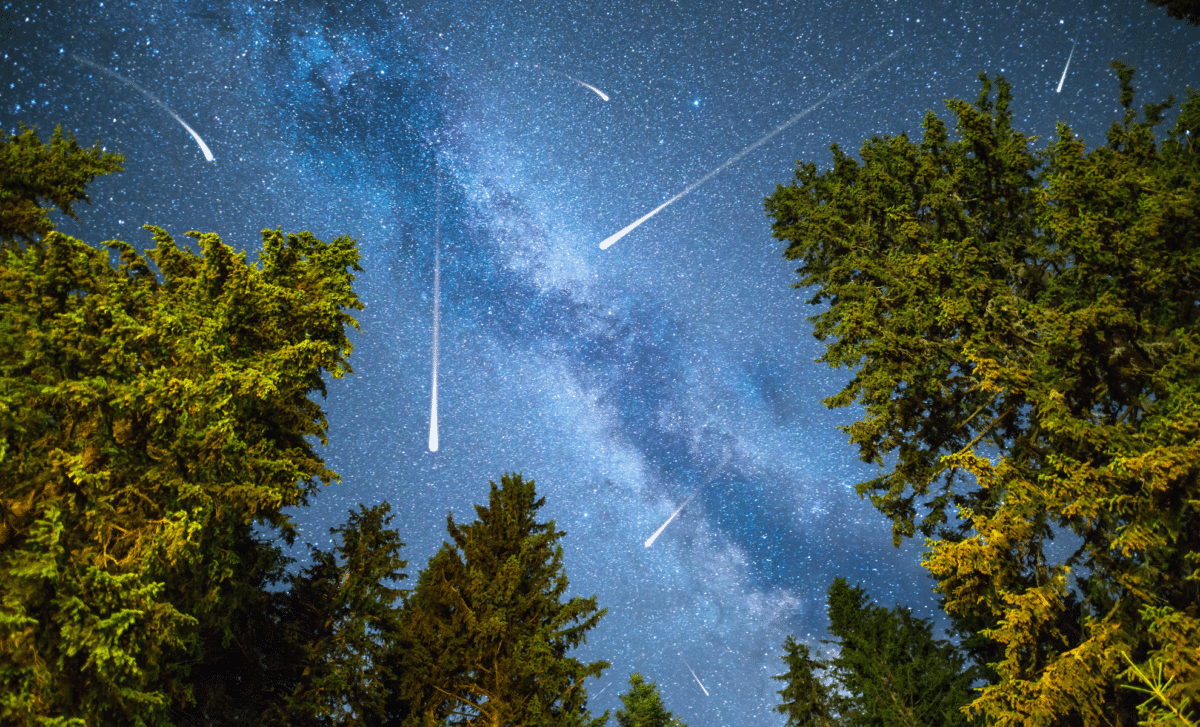
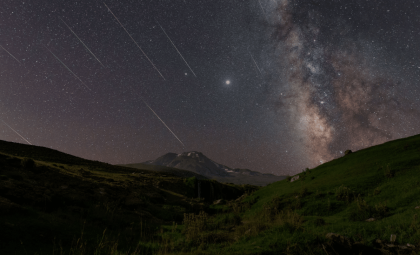
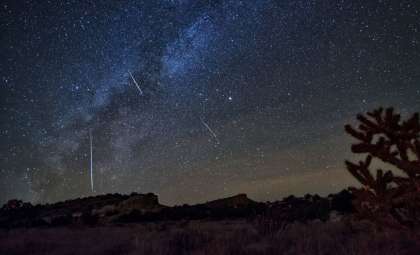
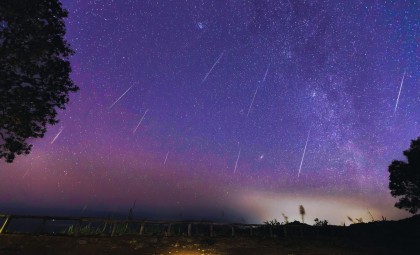
Each August, the Perseid meteor shower captivates skywatchers across the Northern Hemisphere, heralded as the summer’s most dazzling celestial event. However, this spectacular display is just one part of several meteor showers active during July and August. As Earth traverses various cosmic dust trails, these streams create diverse meteor showers featuring bright fireballs and slow-moving shooting stars that offer unique viewing experiences beyond the Perseids.
Extended Meteor Watching: Six Shows Keep Summer Skies Active
The summer meteor season kicks off well before the Perseids, with Earth encountering remnants of ancient comets and asteroids starting in early July. Throughout July and into late August, several meteor showers unfold, though many produce fewer meteors per hour compared to the Perseids. Nonetheless, these events enrich the meteor-watching season and sporadically showcase spectacular fireballs rivaling those from larger showers.
The Capricornids are among the first, visible from about July 10 through mid-August. While their hourly rates remain low, perhaps only a few meteors under ideal conditions, some Capricornid meteors are notably bright, lighting up the southern sky with impressive fireballs. Following closely are the Delta Aquariids, offering one of July’s more active displays with several dozen meteors per hour in dark locations. Their meteors are typically dimmer and travel moderately fast, but some leave brief glowing trails that enhance the spectacle.

Observers should also keep an eye out for the Piscis Australids, a modest shower peaking late July, which adds to the season’s meteor count. On July 31, the Alpha Capricornids peak, favored by astrophotographers for their occasional radiant yellow fireballs despite producing only a handful of meteors hourly.
Moon Phases Influence Optimal Viewing Nights
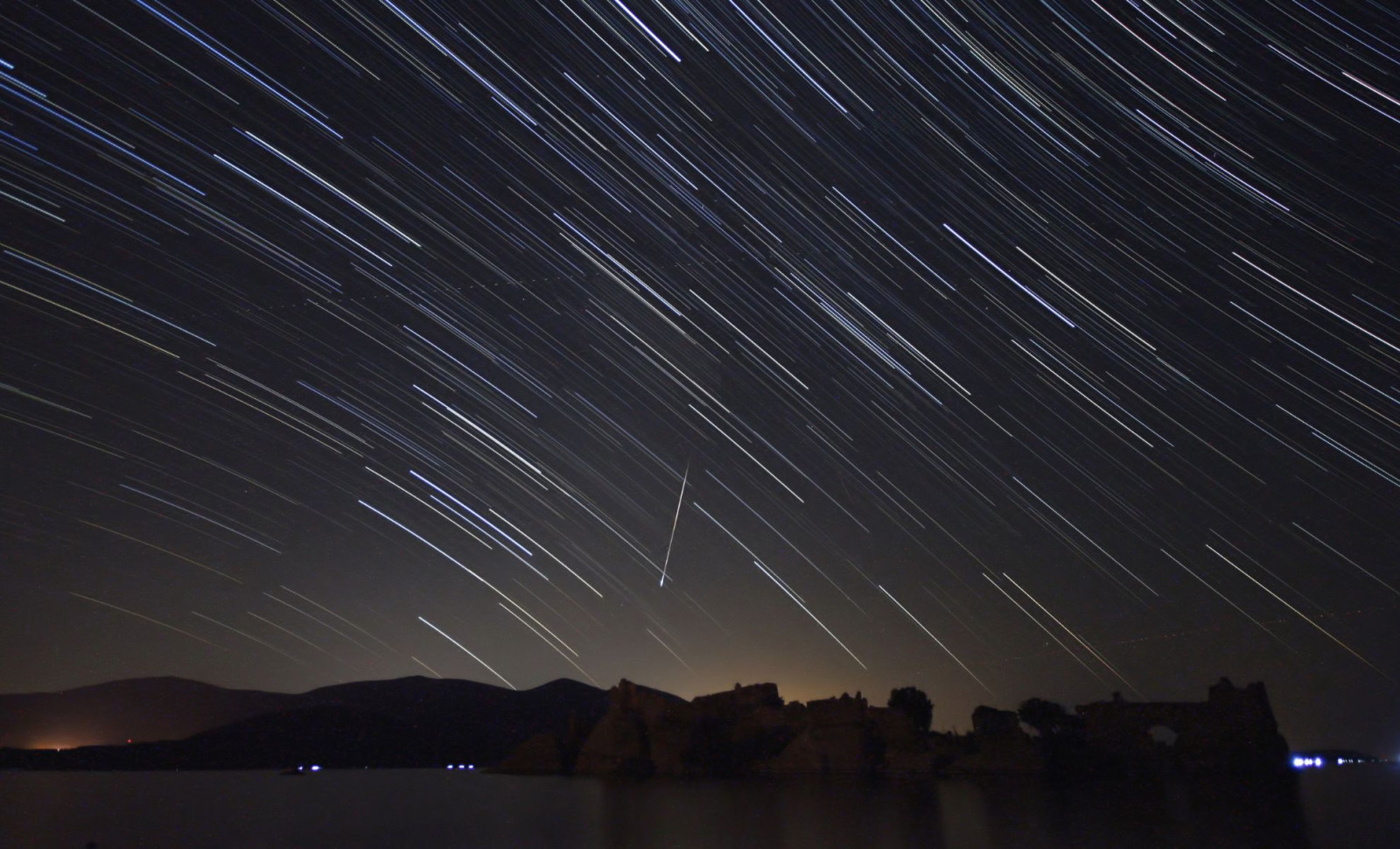
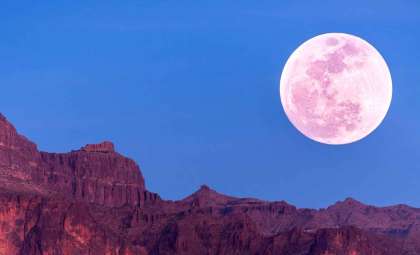
One critical factor influencing meteor observation is the Moon’s brightness. As reported by Space.com, many late-July showers coincide with a nearly full Moon, which can drown out fainter meteors from view. This lunar brightness impacts the Delta Aquariids, Piscis Australids, and Alpha Capricornids during their peaks.
Still, these meteor showers aren’t to be dismissed. Their activity spans days or weeks around peak times, giving stargazers flexibility to pick darker nights with less lunar interference. Even when the Moon is bright, the most brilliant fireballs easily stand out, especially from rural locations with minimal light pollution.
By mid-August, conditions dramatically improve as the Moon will be near its new phase during the Perseids peak, offering some of the clearest skies in recent years. This alignment allows for excellent chances to witness dozens of meteors per hour, including contributions from minor concurrent showers.
Perseids Remain the Show’s Headliner Amid a Rich Meteor Season
The Perseid meteor shower continues to dominate summer nights. Originating from debris left by Comet Swift-Tuttle, the shower frequently produces more than 50 meteors per hour under ideal conditions, with possible bursts of even higher activity. Perseid meteors often move quickly across the sky, shining brightly and sometimes trailing luminous streaks lasting several seconds.
The peak of this shower is anticipated on August 13, when its radiant ascends high in the northeastern pre-dawn sky. With the Moon close to new phase, observers can enjoy dark skies that enhance visibility, making this an outstanding event for both seasoned astronomers and newcomers.
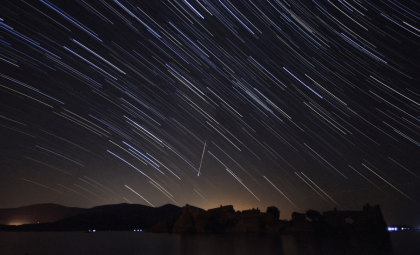
Nonetheless, concentrating solely on the Perseids means missing the full summer meteor experience. The days leading up to its peak host numerous overlapping meteor streams, creating a steady stream of meteors across many nights. This provides nearly two months of rewarding skywatching opportunities rather than a single highlight night in August.
The Season’s Finale: Kappa Cygnids Spark Final Fireballs
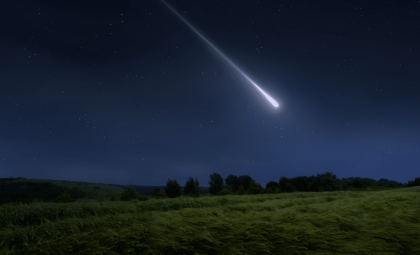
Following the conclusion of the Perseids, the Kappa Cygnids offer a last chance to catch summer meteors. Though generally producing just a few meteors per hour, this shower is noted for slow, vivid fireballs that become memorable highlights. Their radiant sits prominently overhead in the evening, making them convenient for those who prefer earlier viewing.
Astronomers remind viewers that meteor showers are just part of the story. Random sporadic meteors appear throughout the night, regardless of scheduled showers, providing extra shooting stars during dark, clear conditions. Together with minor showers, these ensure that almost any summer night can surprise patient stargazers.
Enjoying meteor showers requires no special equipment. The best viewing strategy is simple: escape city lights, allow your eyes to adapt to darkness, bundle up warmly, and gaze roughly 30 degrees away from the shower’s radiant rather than directly at it. While the Perseids remain the summer’s marquee attraction, the six lesser-known showers prove that the season offers many magical nights under the stars.
- Categories:
- News

0 comments
Sign in to Comment