
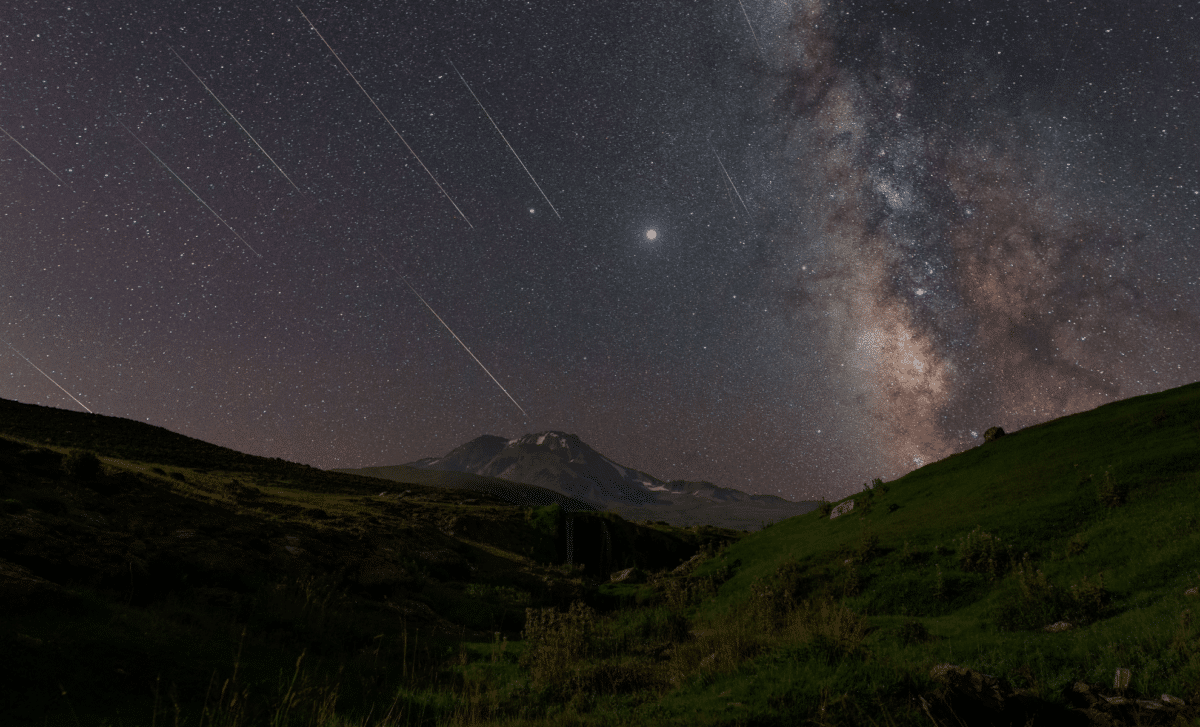
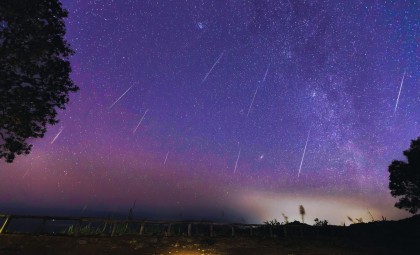
Stargazers are presented with a unique opportunity this week to observe the Arietid meteor shower, a celestial event that usually remains hidden due to sunlight. The shower reaches its peak around the mornings of June 10, 2026, providing a short but striking spectacle visible just before daybreak. Unlike conventional nighttime meteor showers, the Arietids require observers to adjust their viewing approach to catch these elusive streaks.
When to Watch the Arietids: Precision Matters
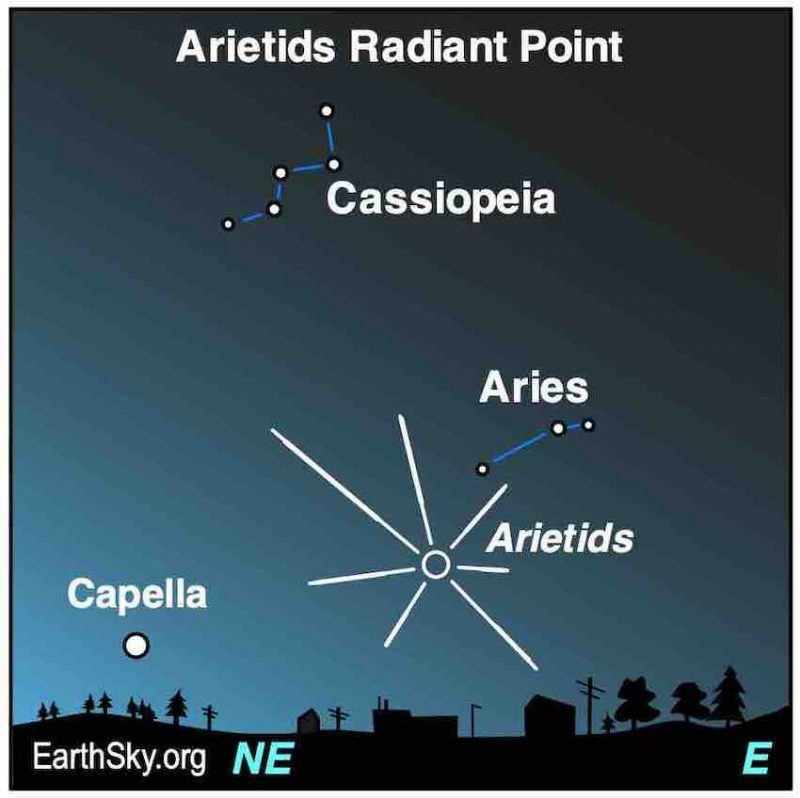
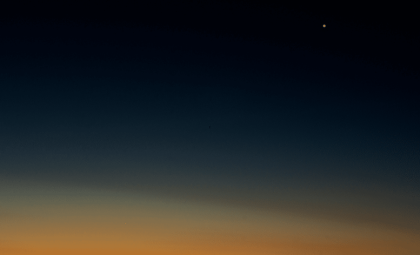
The Arietid meteors are active from May 22 through July 3, with their highest activity in early June. To observe them, timing is crucial. The best viewing window is 45 to 60 minutes before sunrise, as the eastern horizon starts brightening. At this period, the sun remains below the horizon, allowing the fainter meteors to be visible to the naked eye. These meteors appear to ascend from the horizon instead of falling downward, a distinct effect produced by their radiant near 41 Arietis in the Aries constellation.
Using binoculars or telescopes is discouraged during this event. With the sun lurking just below the horizon, even minor misdirection could harm your eyes. Instead, find a comfortable spot with an unobstructed eastern view, shield yourself from direct light, and watch the meteors glide almost horizontally across the upper atmosphere. Many eyewitnesses describe the sight as meteors skimming along the sky rather than streaking down.

Experiencing Daytime Meteors Like Never Before
Daytime meteor showers represent a rare challenge and thrill for amateur astronomers. Unlike renowned night displays such as the Perseids or Geminids, the Arietids demand attentiveness to daylight conditions. Their short viewing window paired with subtle visibility creates a special bond between the viewer and the cosmos. Because the radiant lies close to the horizon, meteors seem to shoot vertically upward, enhancing the dramatic effect.
Enthusiasts can also study the Arietids through simple radio astronomy. When meteoroids ignite in the upper atmosphere, they create ionized trails that reflect radio waves. By tuning an FM radio to faint static, listeners may detect meteors as brief bursts of sound or muted music fragments. This technique adds an auditory dimension to meteor observation, especially useful when sunlight limits clear visual spotting.
Essential Tips for Successful Viewing
Preparing in advance is crucial to maximizing your chance to observe the Arietids. Experts advise arriving at your chosen location ahead of the peak, ideally as the first signs of dawn emerge. A panoramic, unobstructed eastern horizon is vital. Because the meteors appear low, city light pollution can obstruct your view, making rural or elevated sites preferable. Dress warmly for early morning chill and bring a comfortable seat for extended skywatching sessions.
Many meteor showers invite the use of optical aids, but the Arietids are best appreciated with the naked eye. Prioritize safety, especially with the sun near the horizon. Sit still rather than scanning continuously, allowing your eyes time to adjust to catch the faint meteor streaks.
The Unique Appeal of the Arietids
The Arietid meteor shower stands apart due to its daylight activity, offering a rare and intriguing observation challenge. The interplay of timing, radiant location, and visibility hurdles provides a captivating experience for both amateurs and professionals. These meteors are a vivid reminder of the persistent activity high above Earth's atmosphere from space debris interactions.
This shower also demonstrates that even long-studied astronomical events can surprise. According to Space.com, the Arietids have been observed for decades, yet their daylight nature continues to fascinate those who adjust their routines to catch these transient cosmic visitors.
- Categories:
- News



0 comments
Sign in to Comment