
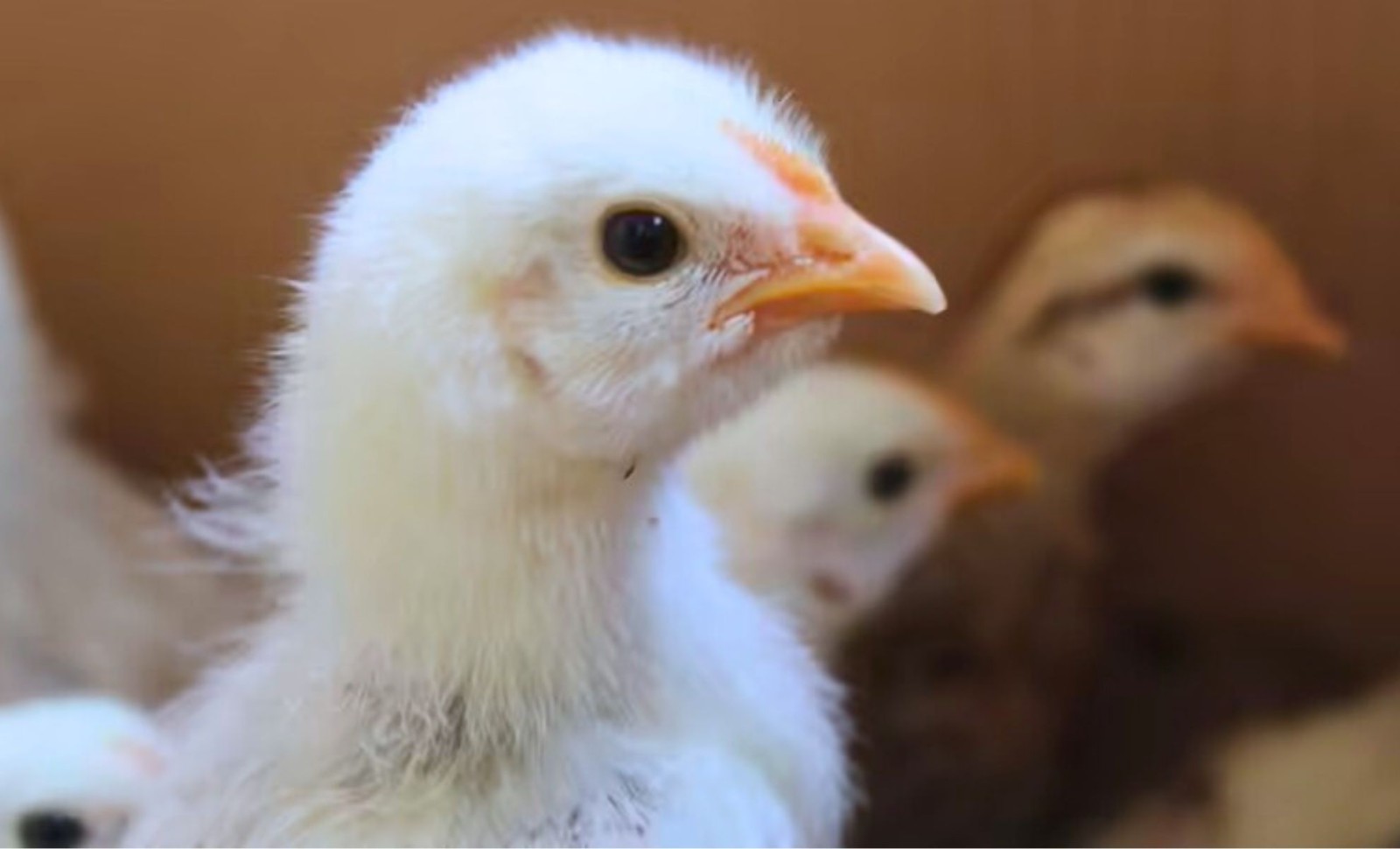
Turkeys are commonly associated with the Thanksgiving holiday, but many are unaware that their young aren’t called chicks. The accurate name for a baby turkey is a poult. This distinction goes beyond terminology, highlighting how little attention is often given to a species that plays a vital role in North America's ecosystems.
As environmental education struggles to keep up with rapid changes, the wild turkey serves as a prime example of a well-known animal that is seldom truly understood. People easily identify the bird's characteristic tail fan or distinctive gobble, yet often stop at the holiday dinner plate image.
Understanding Poults: Why The Name Matters
A young turkey is specifically known as a poult until about five weeks after hatching. Although the term “chick” is sometimes used informally, it properly refers to baby chickens. Unlike chicks, poults are ground dwellers from birth, alert, and dependent on their mother for foraging guidance.

As outlined in IFLScience, poults begin life unable to fly and primarily feed on insects, gradually developing the ability to perch in trees by the end of their first month. This developmental path distinguishes them from chicks in a meaningful way.
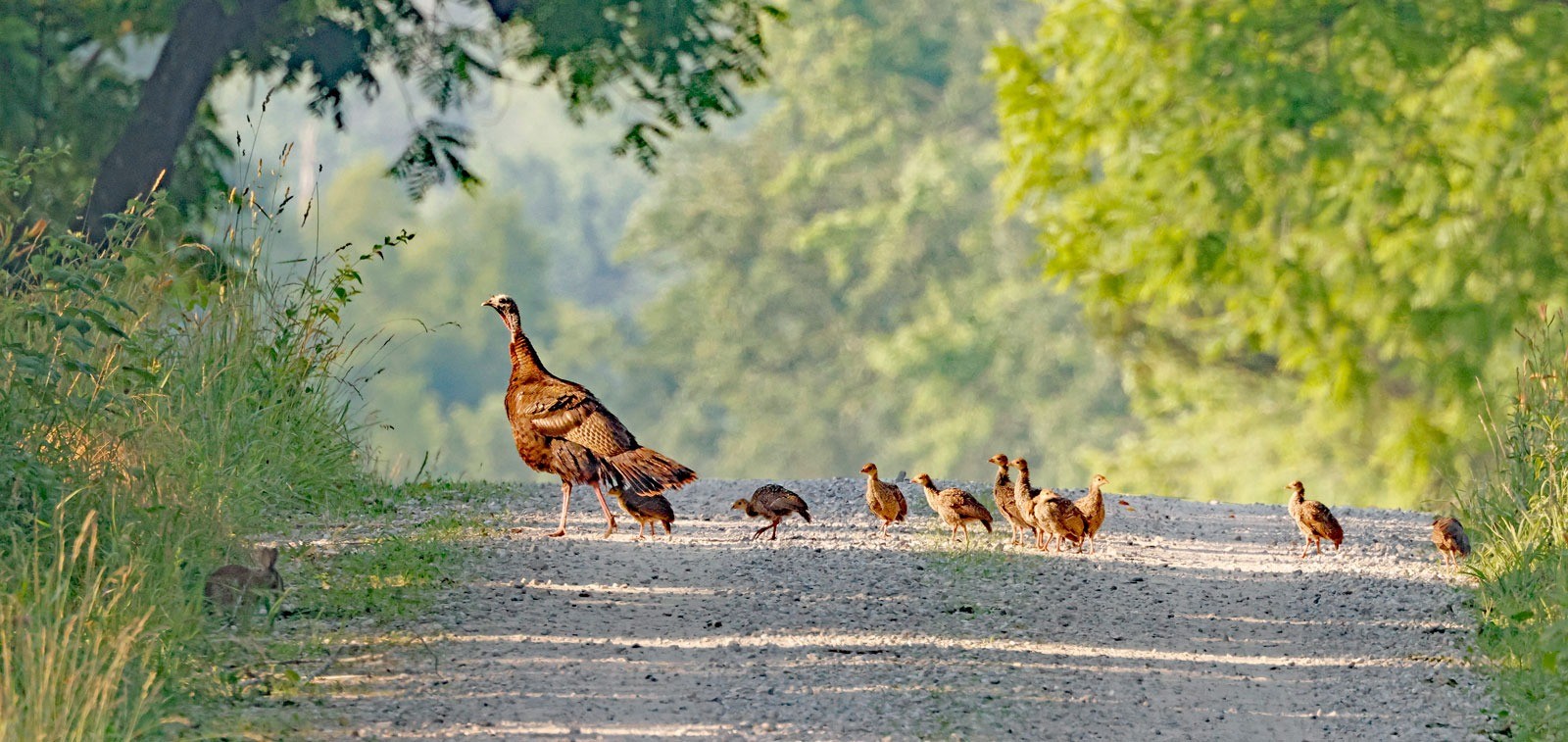
The Audubon Field Guide offers a thorough overview of this lifecycle. Shortly after birth, poults become quickly mobile and stick close to their mother. A social hierarchy begins to form early, with males growing into jakes and females turning into jennys before reaching full maturity.
Precise terminology like poult not only indicates age, but also identifies a critical stage when the young turkey is vulnerable yet learning survival skills. This period is essential for their integration into flocks and survival in the wild.
Exceptional Adaptations for Speed and Survival
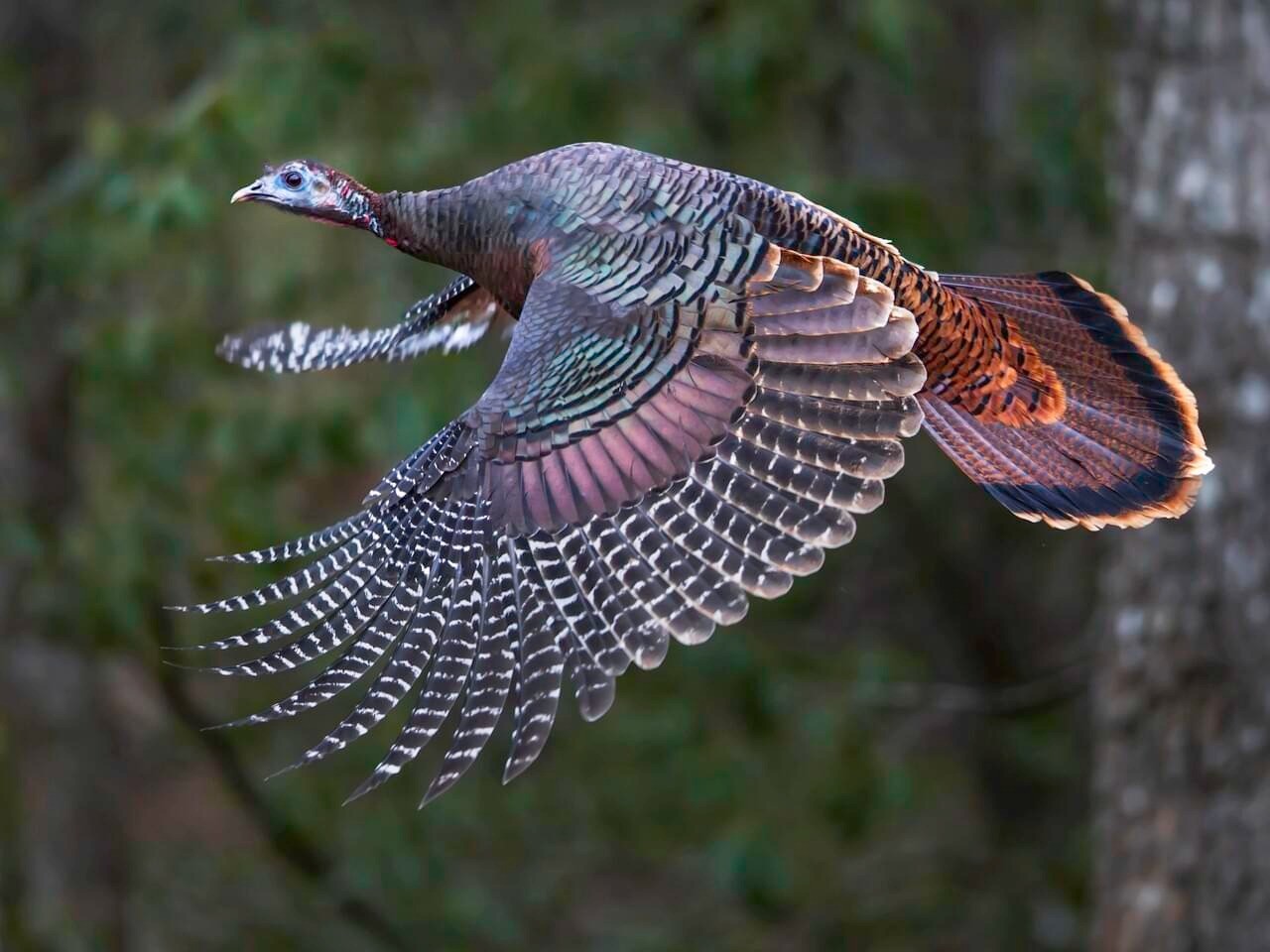
Wild turkeys differ greatly from their domesticated relatives. Adult males, called toms, can weigh as much as 24 pounds while still managing to reach flight speeds up to 55 mph and run at speeds near 25 mph. These birds are evolutionarily designed to thrive in challenging forested environments.
The PBS Nature factsheet highlights the physical features aiding these abilities: powerful legs, wide wings, and sharp eyesight. At night, turkeys roost in trees, moving from branch to branch to avoid predators like bobcats and coyotes.
What’s remarkable is their adaptability to various habitats, including oak-hickory forests, grasslands, and wetlands. They shift their diet seasonally, consuming acorns, berries, insects, and small amphibians.
This dietary and habitat flexibility has been key to their remarkable population recovery. After plummeting to about 30,000 in the early 20th century due to hunting and habitat loss, today’s numbers exceed 7 million, thanks to focused conservation and habitat management efforts, according to Audubon and PBS.
Insights into Turkey Social Behavior
Turkeys maintain a complex social structure influenced by age, sex, and seasonal cycles. Males congregate in bachelor groups outside breeding season, establishing hierarchies through displays and sparring. Females stay in cohesive family groups, leading poults through early development.
During spring mating, males perform their iconic gobbling, feather fanning, and elaborate strutting to woo females. However, once breeding concludes, the females take full responsibility for nesting, incubation, and rearing poults without male help.
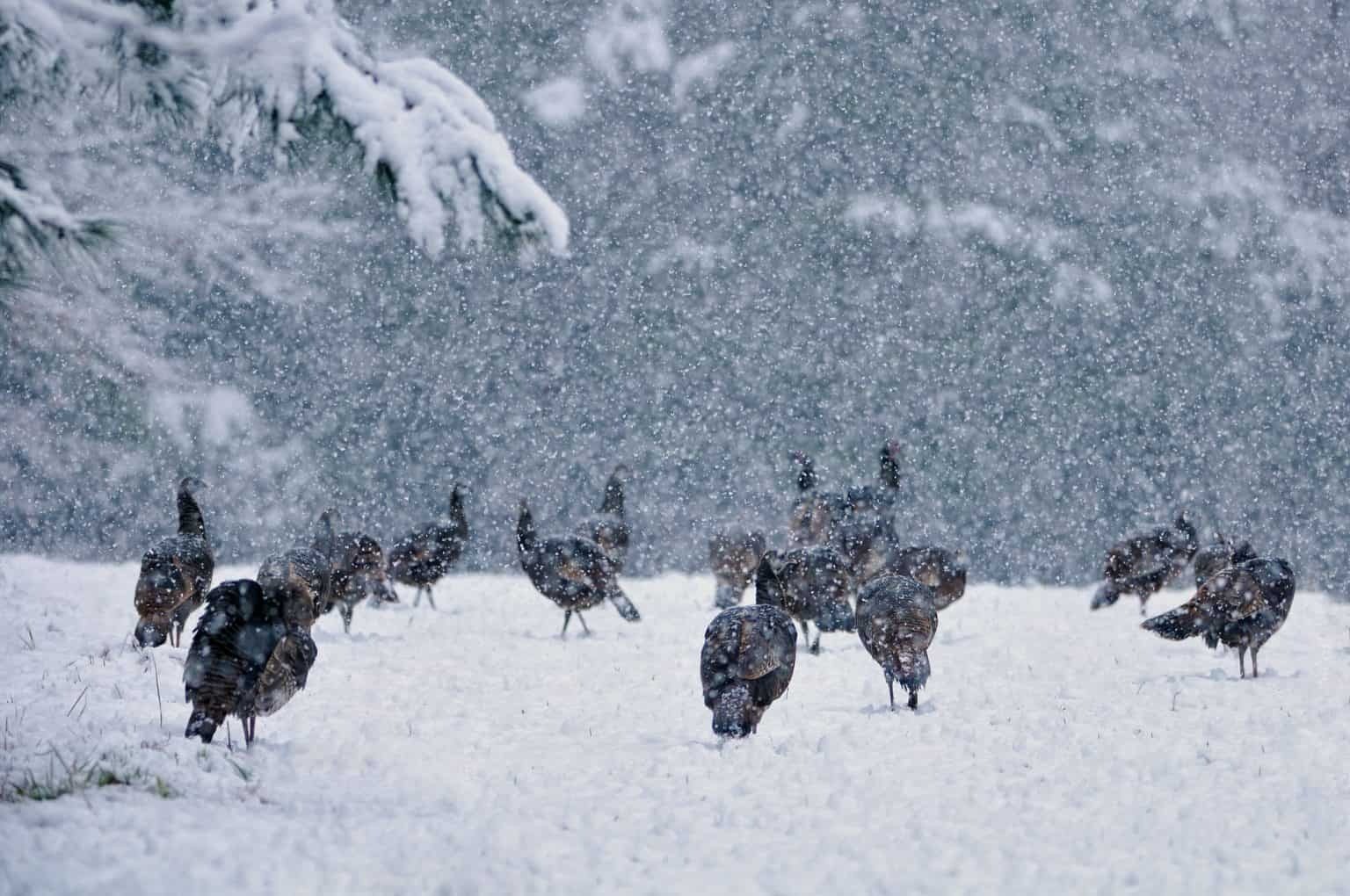
Typical clutches include 10 to 15 eggs, with poults following their mother within a day of hatching. As broods age, they often merge with other groups, forming larger flocks that provide increased protection. In some areas, winter flocks can reach over 200 birds.
These behaviors are strategic adaptations for thriving in unpredictable environments where threats include predators, weather extremes, and human disturbances. Turkeys rely on memory, vocal communication, and visual signals to manage their world—complexities frequently overlooked but vital to their survival.
Why Turkey Eggs Are Rarely Sold
Although turkey meat is widely consumed, turkey eggs are seldom available in stores. The reason lies in biology and economics: turkeys mature slowly, lay fewer eggs, and need more space than chickens, making egg production impractical on a large scale.
As discussed in IFLScience, turkey hens take months to reach reproductive age and lay eggs roughly every 24 to 32 hours, whereas chickens begin laying earlier and can produce eggs almost daily.
Farmers prioritize efficiency; chicken eggs are easier and cheaper to produce, thus dominating the market. While turkey eggs have a similar taste, their rarity in commerce is due to production costs, keeping them a curiosity rather than a staple.
- Categories:
- News










0 comments
Sign in to Comment