
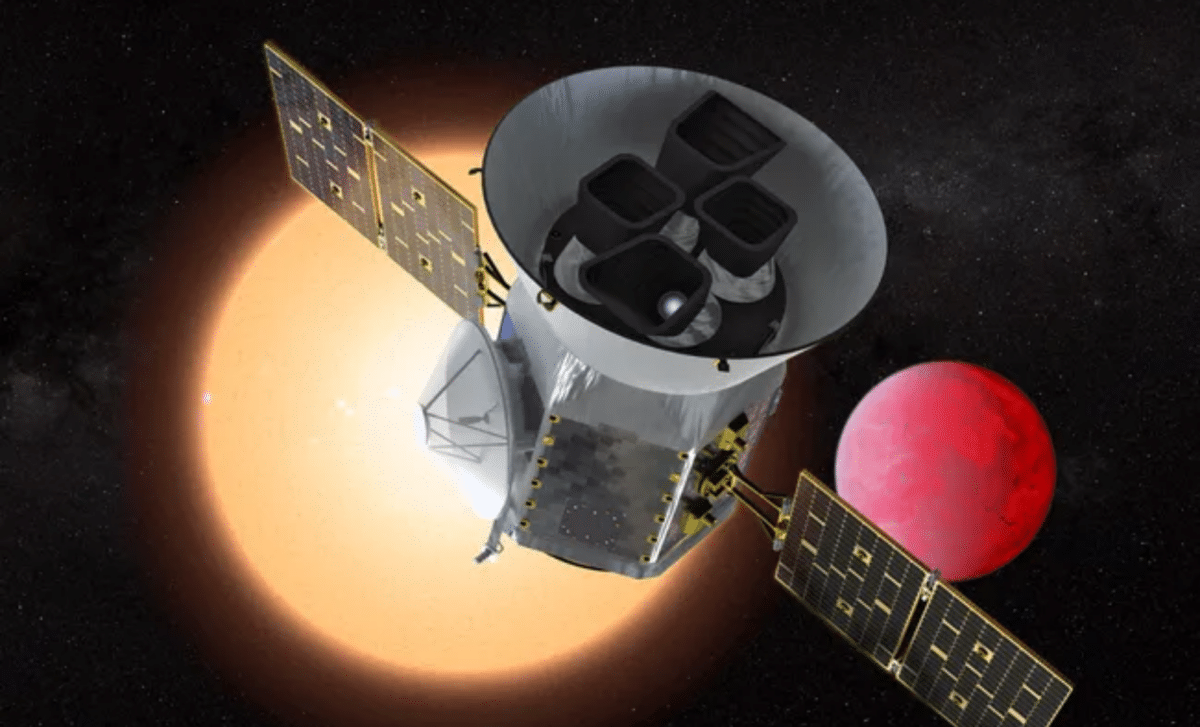
NASA’s Transiting Exoplanet Survey Satellite (TESS) experienced an unexpected interruption when a command mistake caused it to enter a protective 'safe mode.' This occurred because the satellite’s solar panels were incorrectly oriented away from the Sun, preventing the recharging of its batteries. Following this power shortfall, recovery protocols were promptly initiated. While TESS has since resumed normal operations, this episode highlights the susceptibility of space missions to human errors. The Register covered the story, providing insight into the technical factors involved and detailing NASA’s plans to avoid similar problems in the future.
What Caused the Solar Panel Misalignment That Disrupted TESS?
TESS, dedicated to discovering exoplanets, briefly ceased normal functioning after an erroneous command resulted in its solar panels drifting out of alignment with the Sun. This led to insufficient battery charging, bringing the spacecraft’s power levels down to a critical point and triggering its automatic transition into safe mode. In this state, essential systems are maintained while non-critical operations are paused to save energy, pending instructions from mission control. NASA’s team rapidly intervened to correct the situation, although such command-related incidents are not unprecedented in space exploration.
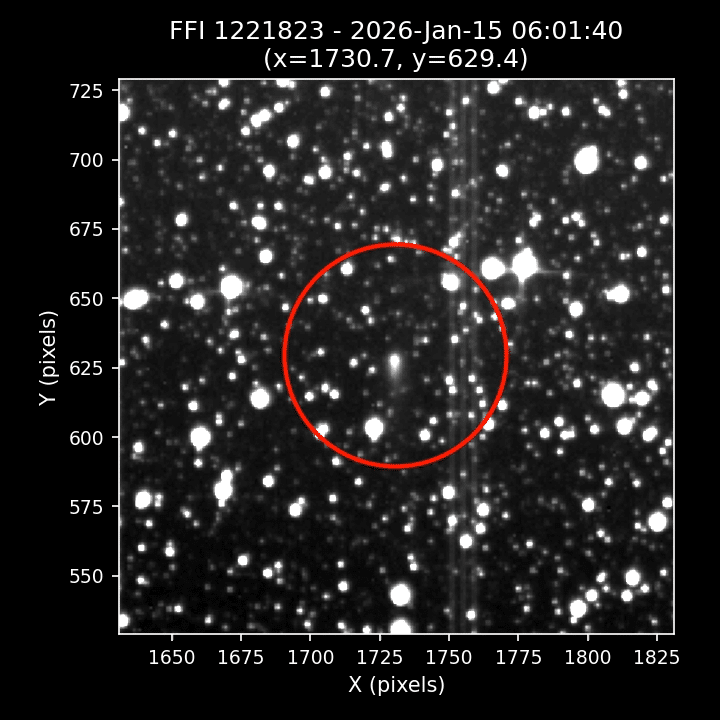
This situation recalls earlier failures in space missions, such as the loss of contact with Viking 1 in 1982 caused by a command fault, and the 1998 near-catastrophe of the SOHO probe. However, the activation of TESS’s safe mode shielded the satellite from further damage. As reported by The Register, NASA representatives have indicated, “The mission is reviewing and updating procedures to prevent this command error from happening in the future,” reflecting a dedication to enhancing operational safeguards for spacecraft.

Protective Measures in Place: Why TESS Avoided Disaster
Unlike some previous mission errors that led to mission loss, TESS benefited from built-in safety features. When battery levels dropped dangerously low, the satellite automatically entered safe mode, which sustains control systems while shutting down all other functions to conserve power until ground control can resolve the issue.
The swift recovery of TESS underscores the crucial role of fail-safe mechanisms. This contrasts sharply with Viking 1’s fate, where communication was lost due to a similar error. The SOHO spacecraft suffered a severe malfunction during routine calibration when its safe mode was inadvertently disabled, leaving it uncontrollable in orbit. While SOHO was eventually restored after significant international effort, it highlights the stakes involved in space operations.
The quick turnaround of TESS serves as evidence of advances in space mission technology, but also acts as a reminder of the persistent risk human mistakes pose. Errors can result in mission delays and resource drain, emphasizing the need for continued caution and improvement.
Enhancing Procedures to Mitigate Future Mistakes
Although TESS’s safe mode functioned effectively, this occurrence reveals inherent vulnerabilities in space mission operations. The root cause—lack of command safeguards to prevent solar panel misalignment—has prompted NASA to review operational protocols thoroughly. Officials are committed to implementing stronger measures to reduce the risk of similar incidents going forward.
As missions grow ever more complex, flawless adherence to operational protocols becomes vital. Even a single lapse can cause delays, extra costs, or irrevocable mission failure. While TESS’s panel misalignment was manageable, future missions might encounter far more severe complications. Insights gained from this event will likely influence NASA’s spacecraft command strategies for years ahead.
- Categories:
- Space





0 comments
Sign in to Comment