
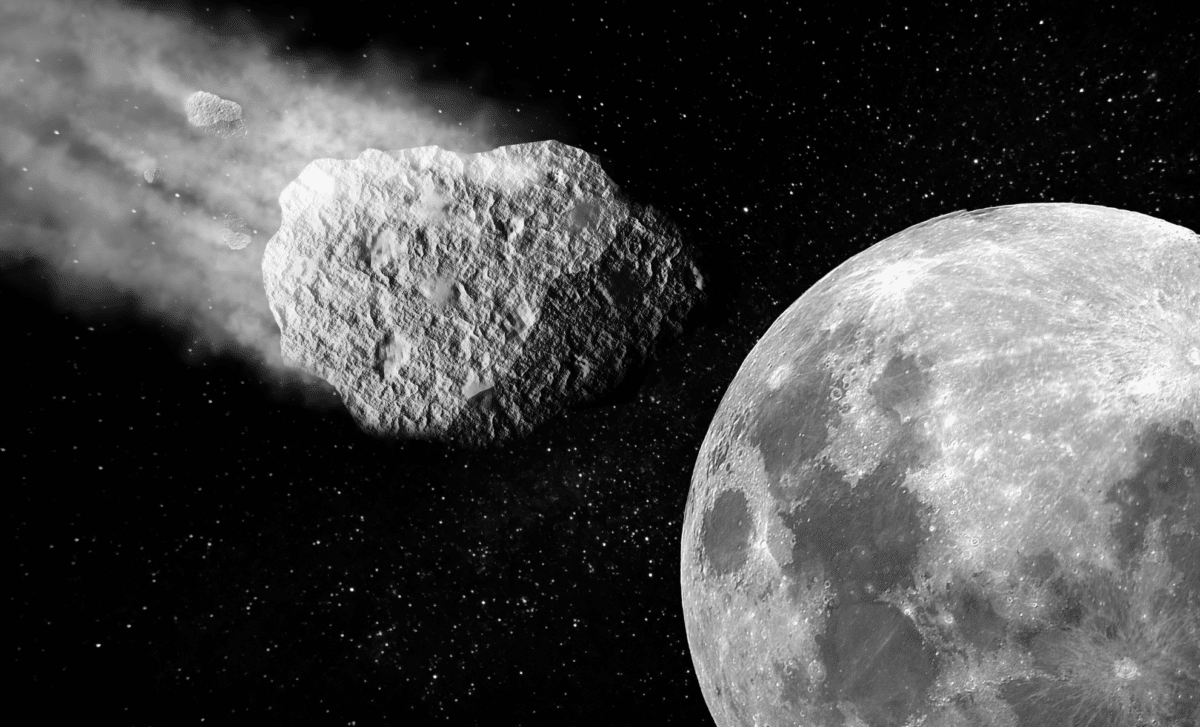
Creating a long-lasting human settlement on the Moon involves overcoming extreme environmental hazards. One of the most significant dangers for forthcoming lunar habitats comes from a continuous shower of tiny meteoroids. Though minuscule, these fast-moving particles can critically endanger both astronauts and vital infrastructure. Recent research highlights the severity of micrometeoroid impacts potential lunar outposts will face. With NASA's Artemis missions underway, comprehending these threats is essential for developing protective measures and safeguarding crews.
An Unseen Peril: Constant Micrometeoroid Impacts on the Moon
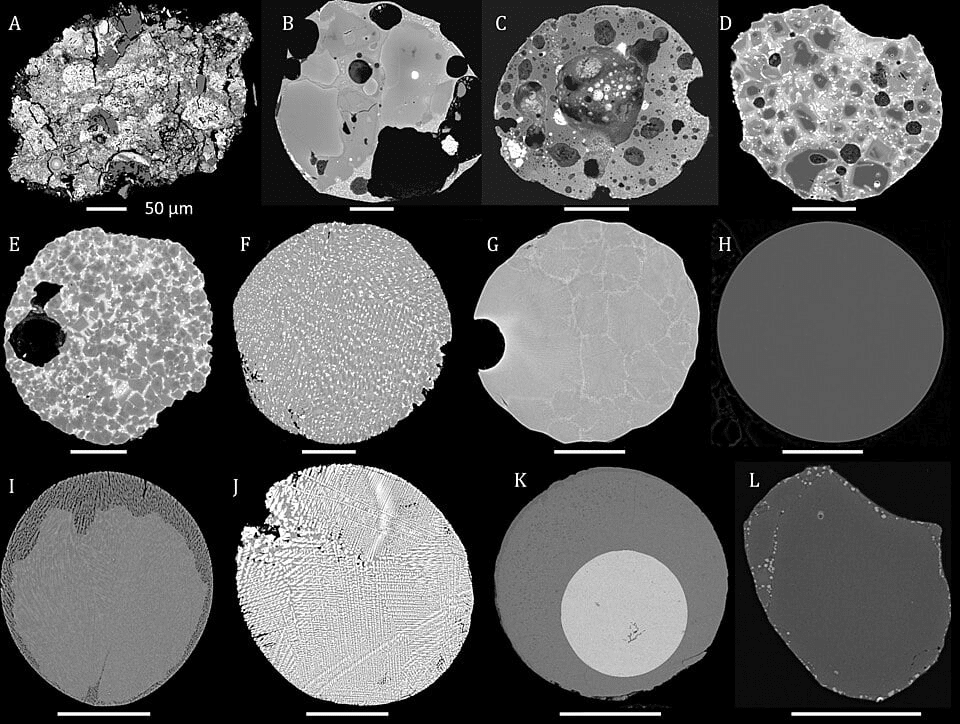
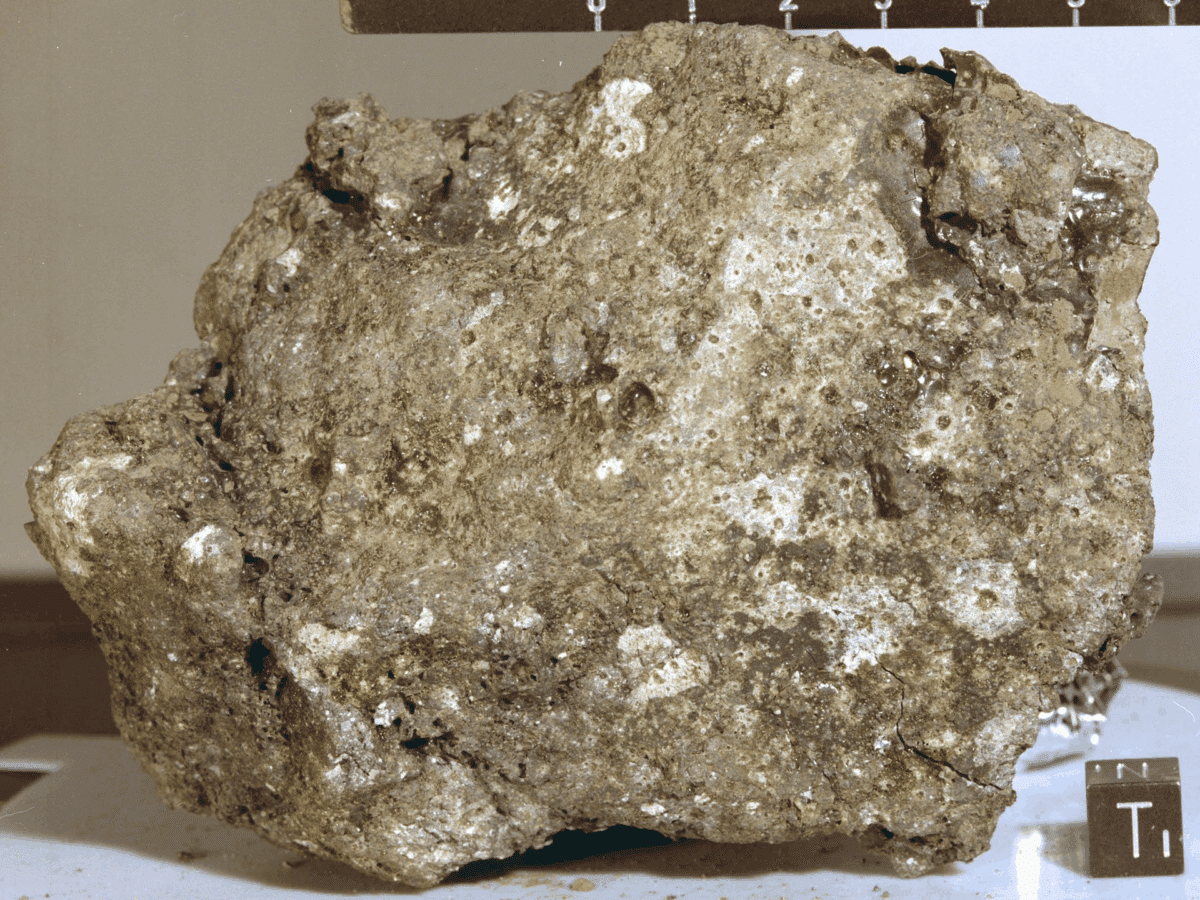
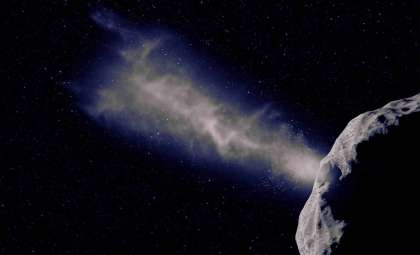
Unlike Earth, which benefits from a protective atmosphere, the Moon is directly bombarded by countless micrometeoroids. As reported by Universe Today, these tiny particles can strike the lunar terrain at astonishing speeds up to 70 kilometers per second, unleashing powerful hypervelocity collisions. Even though these micrometeoroids are often microscopic, their constant impacts pose a relentless hazard for any lunar infrastructure. These collisions leave behind small craters known as “zap pits,” which were identified on samples brought back by Apollo astronauts.
Daniel Yahalomi and his associates utilized NASA’s Meteoroid Engineering Model to estimate the frequency of these impacts. Their findings suggest that a lunar facility approximately the size of the International Space Station will endure between 15,000 and 23,000 meteoroid strikes annually. Most of these come from particles weighing only a few grams or less, yet even those weighing a microgram can pierce metallic surfaces and disable crucial systems. The research stresses the urgent necessity of creating effective shielding solutions to guard against such damage, described in detail in the arXiv publication.

Impact Speeds Amplify Danger of Micrometeoroids
Micrometeoroids’ extreme velocities exponentially increase their destructive potential. Traveling at speeds reaching 70 kilometers per second, these particles generate shock waves intense enough to penetrate even reinforced materials. Unlike on Earth, where atmosphere incinerates most meteoroids before surface impact, the Moon's vacuum conditions allow these tiny projectiles to strike with their full force, resulting in surface pitting, structural cracking, and equipment breaches.
While one might picture large-scale cratering events, most lunar impacts are subtle yet hazardous. Even particles weighing just a few milligrams can indent surfaces or puncture sensitive hardware. Such damage to moon bases and machinery could lead to expensive repairs, or worse, threaten astronauts’ safety over time.
Variations in Threat Levels Across Lunar Terrain
The risk posed by micrometeoroids varies depending on location. Yahalomi’s analysis indicates the Moon's side facing Earth, the sub-Earth longitude, endures especially high impact rates due to Earth's gravitational pull concentrating debris in that region. Conversely, lunar polar regions face fewer collisions.
The Artemis program’s ambition to establish a base near the Moon’s south pole benefits from the presence of water ice and somewhat lower meteoroid exposure. Nevertheless, even these relatively sheltered zones cannot evade the persistent danger, emphasizing the need for robust protective designs wherever humans settle.
Advanced Protection Systems: Utilizing Whipple Shields for Lunar Defense
Given the severe meteoroid hazard, future Moon habitats must incorporate advanced shielding. Whipple shields—layered barriers engineered to fragment and dissipate meteoroid impacts—represent a leading defense approach. Implemented on the International Space Station (ISS), these shields could be adapted for lunar structures where the outer layer absorbs debris fragments, safeguarding important inner modules.
Scaling these shields to protect sizable lunar habitats presents engineering challenges. Yahalomi’s research offers valuable data by simulating various shield compositions and thicknesses, enabling engineers to optimize protection without excessive weight. This balance is critical since transporting materials to the Moon remains costly and energy-intensive.
Preparing for Lunar Life: Navigating the Micrometeoroid Challenge
As humanity aims for a permanent foothold on the Moon, micrometeoroid impacts stand out as a significant but often overlooked threat. Although seemingly remote, understanding impact rates and refining shielding technology will be decisive for mission success. Even locations offering natural mitigation, like the lunar poles, cannot fully escape ongoing exposure. The insights from Yahalomi’s team, combined with innovations in protection design, will be vital in enabling safe human habitation on our nearest celestial neighbor.
Confronting this stealthy hazard paves the way not only for a secure lunar presence but also lays groundwork for exploring Mars and other worlds where similar dangers await.
- Categories:
- Space







0 comments
Sign in to Comment