
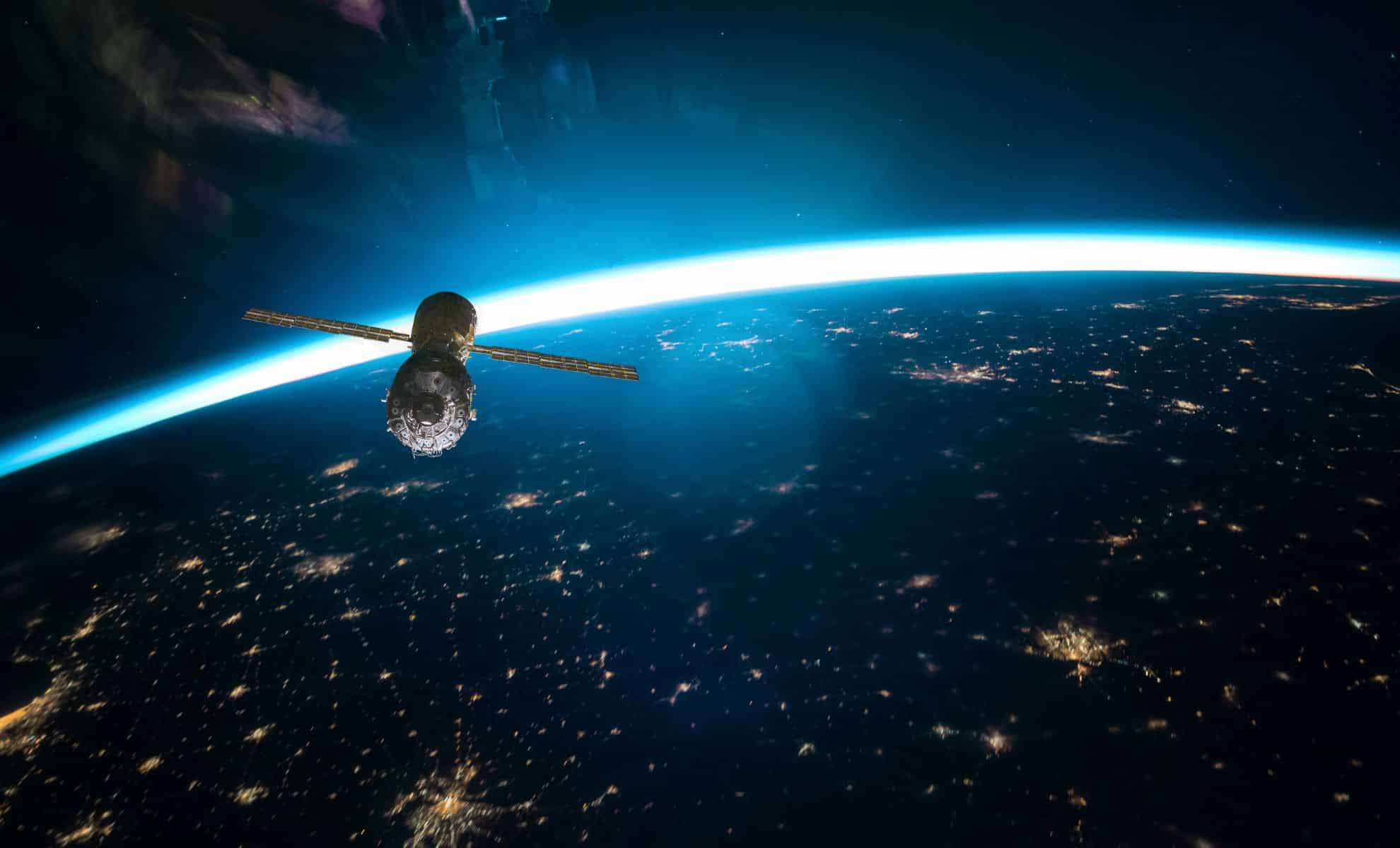
Earth is orbited by thousands of satellites, many of which will inevitably descend back to the planet. As the deployment of low Earth orbit (LEO) satellites accelerates, questions about their fate after mission completion are becoming increasingly pressing. The reality of their return is now in clearer view.
Starlink’s Expanding Impact and Its Tangible Debris
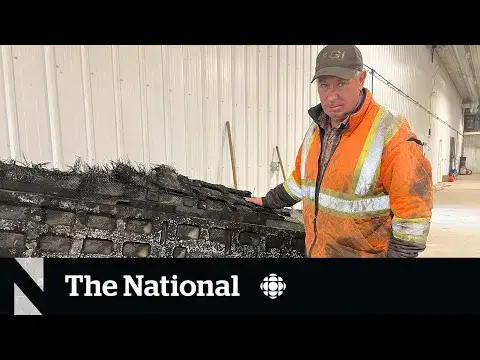
In 2024, farmers in Saskatchewan, Canada, encountered an unsettling phenomenon: fragments from SpaceX's Starlink satellites fell onto agricultural land. Although no harm came from this event, it highlighted a significant concern — satellites don’t always disintegrate fully during reentry. Astronomer Samantha Lawler, who supported affected farmers, pointed out that international space regulations remain outdated, dating back to the Apollo period and ill-equipped to address such modern issues.
Live Science reports that the majority of satellites in LEO are engineered to burn up upon reentry, efficiently ending their missions. However, this process has environmental costs. As satellites burn, their components transform into metal vapor that disperses throughout the stratosphere. This vapor, rich in reactive metals like aluminum and lithium, adds to atmospheric pollution.

While satellite breakups once had negligible effects, the situation is changing markedly. The Starlink constellation alone could encompass up to 42,000 satellites, each lasting about five years. The resulting influx of metal vapor from these reentries may soon surpass natural atmospheric deposition rates by more than 25 times.
Falling Debris: Beyond Atmospheric Vaporization
Although much of a satellite burns up during descent, some rugged parts endure reentry and land on Earth. Recently, space debris has been found in places including Poland, Kenya, North Carolina, and Algeria. Some debris can be linked to specific space missions, while others remain unidentified, likely lost in remote or forested regions.
In early 2025, the reentry of the 1970s Soviet Venus probe Kosmos 482 was tracked as it descended into the Indian Ocean, reigniting concerns around potential harm from falling space objects.
To date, only one identifiable fragment from a Starlink satellite has been recovered officially, although many more are believed to have landed unnoticed. Recent research estimates a 10% probability of human injury resulting from the reentry of over 2,000 derelict rocket bodies orbiting Earth within the next decade — a figure that excludes the tens of thousands of satellites expected to follow suit.
The Increasing Congestion in Earth’s Orbit
Simply abandoning inactive satellites in orbit is unsafe. These lifeless objects, hurtling around Earth at roughly 16,000 mph (25,000 km/h), threaten operational satellites. Collisions at such speeds generate clouds of debris, with fragments capable of damaging further spacecraft, leading to a cascading chain reaction.
This hazard is real and present. Starlink has established the most densely populated cluster of active satellites ever recorded. In late 2024, the company disclosed performing a collision avoidance maneuver every two minutes. Hundreds more satellites have been added since then in the same orbital zone. While Starlink’s technology has so far prevented accidents, experts caution that factors like solar storms, cyberattacks, or human errors could thwart collision avoidance, possibly causing a major catastrophe.
A Call for Smarter Satellite Practices
Earth’s surrounding orbit is a limited public resource. With plans to launch tens of thousands more satellites, the strain on this environment will steadily increase. Safeguarding orbital space demands innovative approaches: deploying fewer satellites but enhancing longevity and maneuverability, and implementing reentry procedures that prioritize safety for people and ecosystems.
Lawler emphasizes the urgency of reforming current operations. Without stronger international regulations or voluntary limits by satellite operators, ongoing practices risk damaging both our atmosphere and humanity’s long-term capacity to explore and benefit from space.
- Categories:
- Space






0 comments
Sign in to Comment