
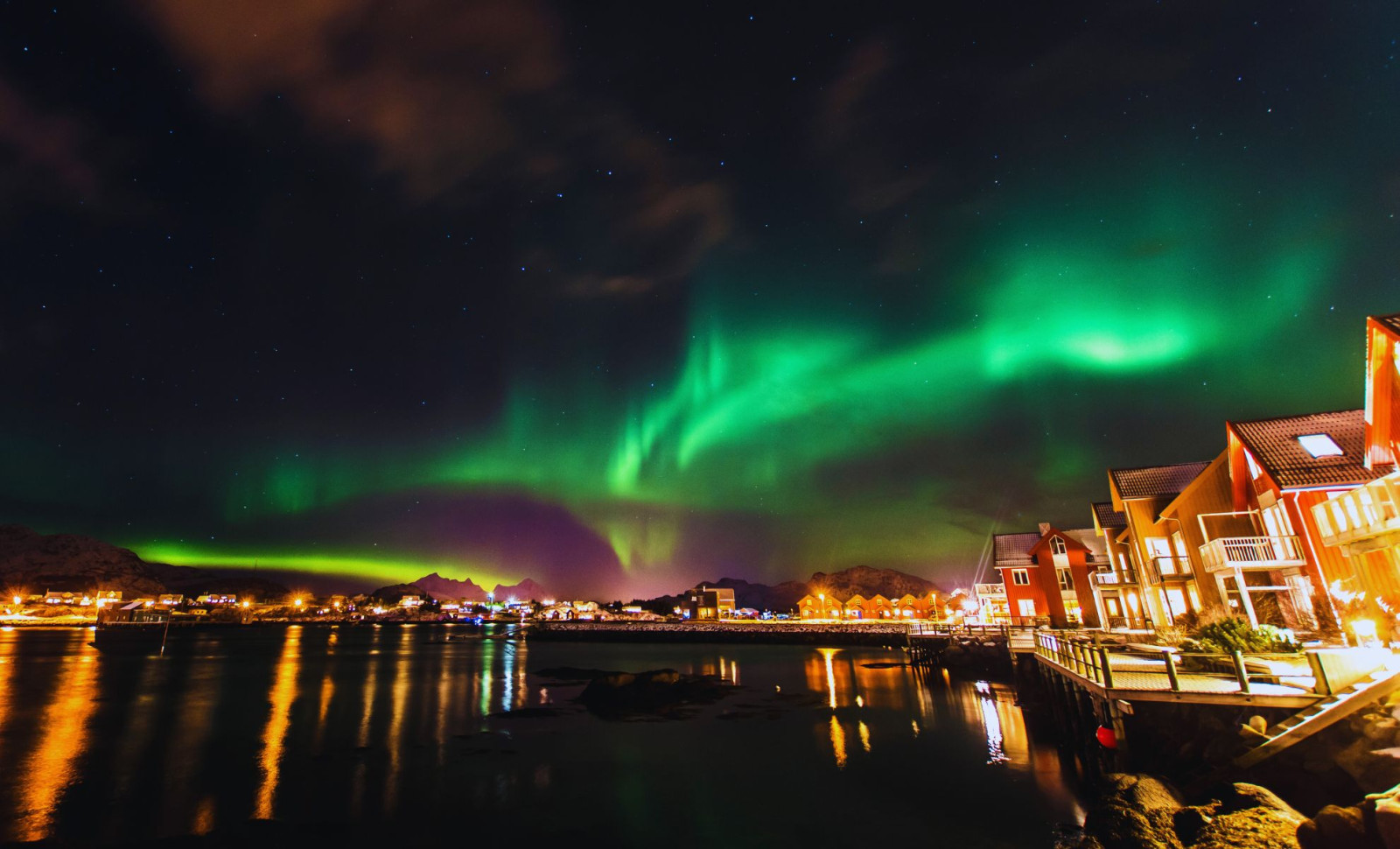
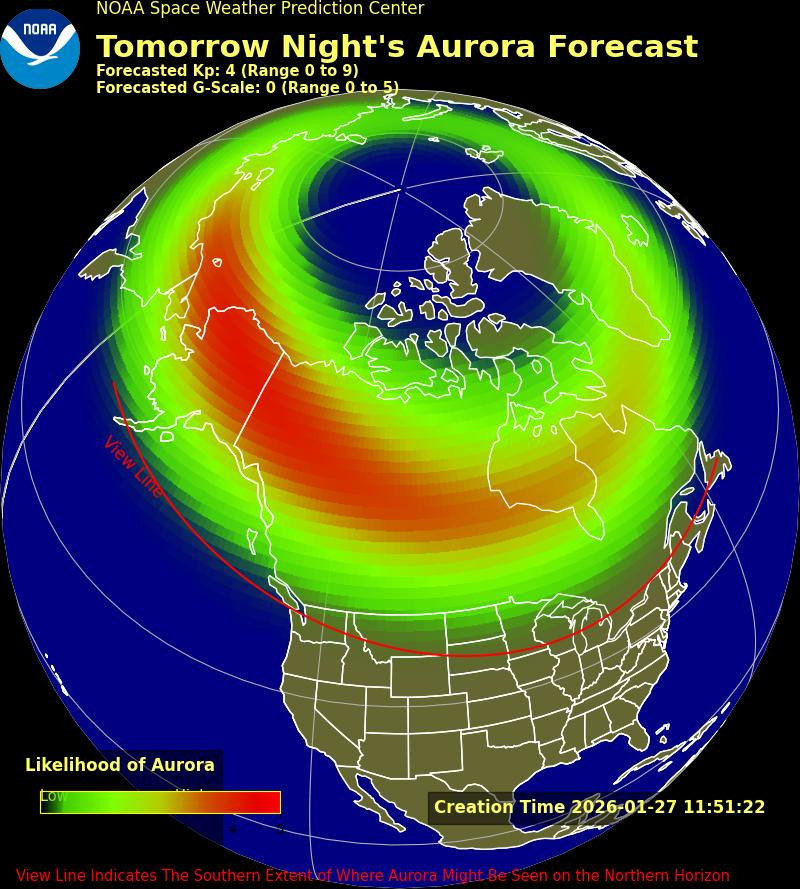
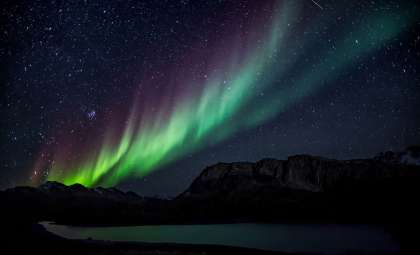
A subtle display of the aurora borealis, commonly known as the northern lights, could be visible across northern U.S. regions during the overnight hours from Tuesday, January 27, into Wednesday, January 28. This opportunity arises as a mild geomagnetic storm influences Earth’s atmosphere. According to the NOAA’s Space Weather Prediction Center, an influx of fast solar wind is predicted to initiate G1-class geomagnetic activity, possibly brightening skies across a broad area from Alaska to Maine.
This occurrence comes on the heels of a significant solar storm earlier this month, which generated aurora displays globally. Although less intense, the current disturbance might shift the auroral oval further south, enabling viewers in 11 U.S. states to catch a glimpse of this breathtaking celestial spectacle.
Best Locations and Timing for Aurora Viewing
The latest aurora forecast from NOAA indicates potential northern lights visibility across parts of Alaska, Washington, Idaho, Montana, Wyoming, North Dakota, South Dakota, Minnesota, Wisconsin, Michigan, and Maine. This extensive region aligns with previous G1 storm observations, where optimal viewing is found in dark, less populated areas far from city lights.

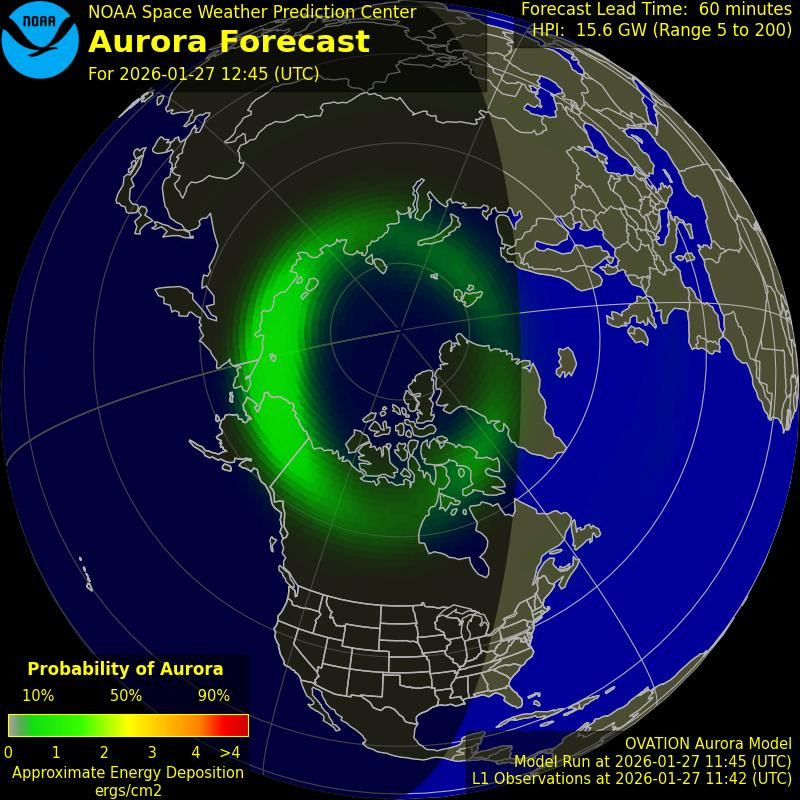
Forecast accuracy can be challenging due to fluctuations in solar wind velocity and the orientation of the interplanetary magnetic field, especially its Bz component. As detailed by SpaceWeatherLive, a southward turn of the Bz enhances magnetic connectivity with Earth’s magnetic field, allowing charged solar particles to enter the atmosphere and boost auroral intensity. Typically, a sustained Bz below -5 nanoteslas (nT) is necessary for visible northern lights.
Observers can use resources like NOAA’s updates and apps such as Aurora Now, My Aurora Forecast, and SpaceWeatherLive for up-to-the-minute alerts and guidance on optimal viewing times and locations.
Moonlight May Hinder Northern Lights Visibility
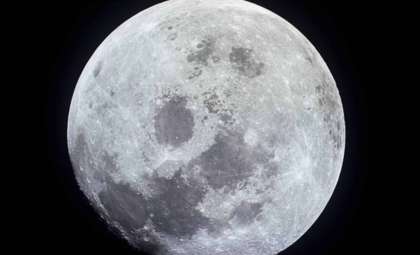
A significant factor tonight could be the waxing gibbous moon, currently 68 percent illuminated, which might diminish the visibility of faint auroral displays. As noted by Forbes, this moon phase will produce substantial ambient light, potentially masking subtler northern lights colors. Skywatchers are encouraged to seek locations with unobstructed views of the northern horizon and reduced surrounding illumination.
Despite the moon’s interference, it offers a celestial bonus by appearing just beside the Pleiades star cluster in Taurus tonight. Even if the aurora remains difficult to detect unaided, photography with modern smartphones utilizing Night Mode or Pro Mode, and stabilized shots on tripods, may capture faint glowing auroras invisible to the naked eye.
Ongoing Solar Cycle 25 Powers Aurora Activity
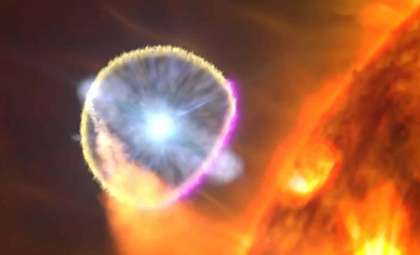
Although the solar maximum of the Sun’s 11-year cycle likely peaked near late 2024, elevated solar activity persists into 2026. This phase of the cycle often unleashes intense solar phenomena, and recent events have produced auroras visible well beyond traditional latitudinal boundaries.
A major recent occurrence happened on May 10 and 11, 2024, when a G5-class geomagnetic storm, the strongest since 2003, triggered auroral displays far from the poles. This event underscored how unpredictable space weather can be. Tonight’s weaker G1 storm is part of this continued pattern of enhanced solar activity.
The striking auroral lights emerge from solar particles interacting with oxygen and nitrogen molecules in Earth’s upper atmosphere, creating one of nature’s most mesmerizing phenomena.
- Categories:
- Astronomy







0 comments
Sign in to Comment