
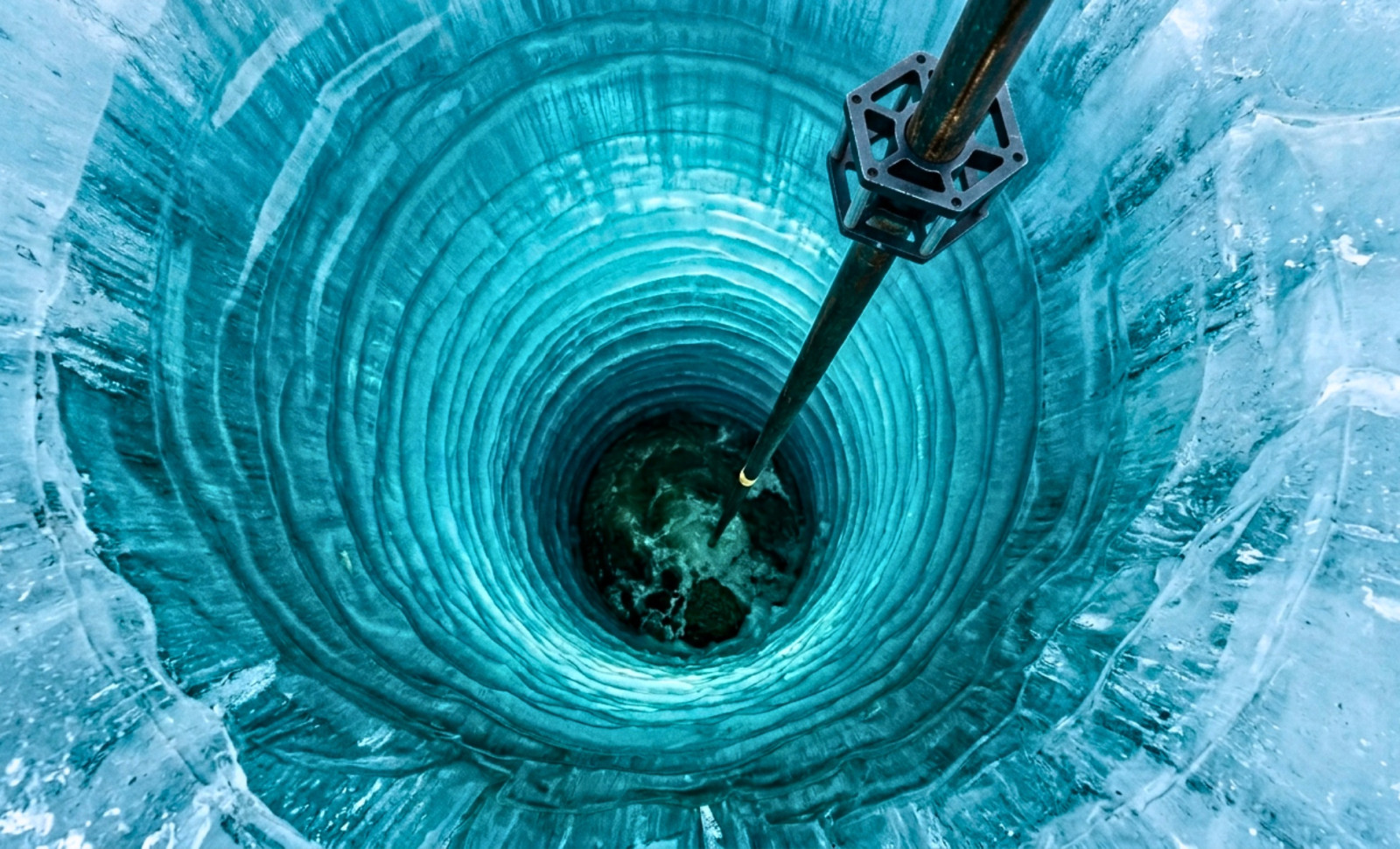
Located about 20 to 30 miles off Massachusetts' coastline, researchers spent the summer of 2025 drilling beneath the Atlantic Ocean in search of an unexpected prize: fresh water.
Upon completion, they extracted thousands of liters of water exhibiting salinity levels as low as 1 part per thousand, comparable to freshwater aquifers found on land.
This finding confirms the existence of an enormous offshore aquifer extending from New Jersey up to Maine, as revealed by Expedition 501, a $25 million international research initiative. Preliminary analyses estimate this reservoir could sustain New York City’s water needs for centuries.

Clues from 1976 Sparked a Focused Investigation
The journey toward uncovering this aquifer began nearly half a century ago. In 1976, a U.S. government vessel exploring for fossil fuels off the East Coast drilled into the seabed and discovered something unexpected: fresh water slowly emerging from sediment samples.
The significance of this find remained unclear at the time.
Fast forward to 2015, scientists from Woods Hole Oceanographic Institution and Columbia University employed electromagnetic surveys to map the seafloor, uncovering signs of a “massive offshore aquifer system” potentially rivaling the Ogallala aquifer, a major water source beneath parts of the U.S. Great Plains.
Expedition 501 was launched as the first coordinated drilling mission to verify this freshwater presence and obtain samples.
Key Discoveries from the Mission
Between May and July 2025, scientists operating from the Liftboat Robert—a service vessel for oil and wind operations—drilled at three locations with water depths ranging from 40 to 50 meters, reaching as deep as 550 meters below the ocean floor.
Fresh or nearly fresh water was detected at both shallower and deeper layers than previously anticipated, indicating the reservoir’s potential size is even greater than initial projections.
Brandon Dugan, a geophysicist and hydrologist at the Colorado School of Mines and co-leader of the expedition, described spotting a salinity of four parts per thousand as a "eureka moment" to the Associated Press. This relatively low salinity level suggested a connection to a terrestrial water system in the past, which might still persist.
Certain drilling locations revealed salinity as low as 1 part per thousand, drastically less than the ocean average of around 35 parts per thousand.
In total, almost 50,000 liters (roughly 13,200 gallons) of water were recovered, now being examined by scientific labs worldwide.
Hypotheses on the Aquifer’s Origin
The source of this water remains uncertain. The scientific prospectus for expedition 501, published in late 2025, outlines three primary theories.
One possibility is that the freshwater is ancient rainwater that infiltrated the ground during the Pleistocene epoch, when lower sea levels exposed the continental shelf as dry land. Alternatively, it might be glacial meltwater flowing beneath ice sheets during the Last Glacial Maximum, when massive ice sheets blanketed much of North America. A third idea proposes the water came from pro-glacial lakes that formed along retreating ice fronts.
Determining the water's age will help scientists know if this is a sustainable resource. Recent water would indicate ongoing recharge from land, while ancient water would suggest a limited supply.
“If the water is younger, that means those raindrops fell just a century or two ago,” Dugan explained to the AP. “That would show the aquifer is still refilling.”
Further Research Needed Before Consumption
Before this offshore water can be considered safe for use, critical questions must be resolved.
According to Jocelyne DiRuggiero, a biologist at Johns Hopkins University specializing in microbes in extreme conditions, the water may harbor minerals or microbes potentially harmful to humans. DiRuggiero, not affiliated with the expedition, noted the cleansing processes governing terrestrial aquifers might be active here, but the submarine environment remains unstudied.
Ongoing DNA sequencing of the samples aims to identify resident microorganisms and understand their survival strategies.
Moreover, even if the water is safe and renewable, large-scale extraction poses challenges. Offshore drilling is costly, the legal landscape concerning underwater freshwater ownership is unclear, and pumping may cause unforeseen environmental impacts.
Rob Evans, a Woods Hole geophysicist involved in the 2015 aquifer mapping, warned the AP that withdrawal could disrupt nutrient flows vital to local ecosystems and potentially affect terrestrial water reserves.
- Categories:
- Science

0 comments
Sign in to Comment