
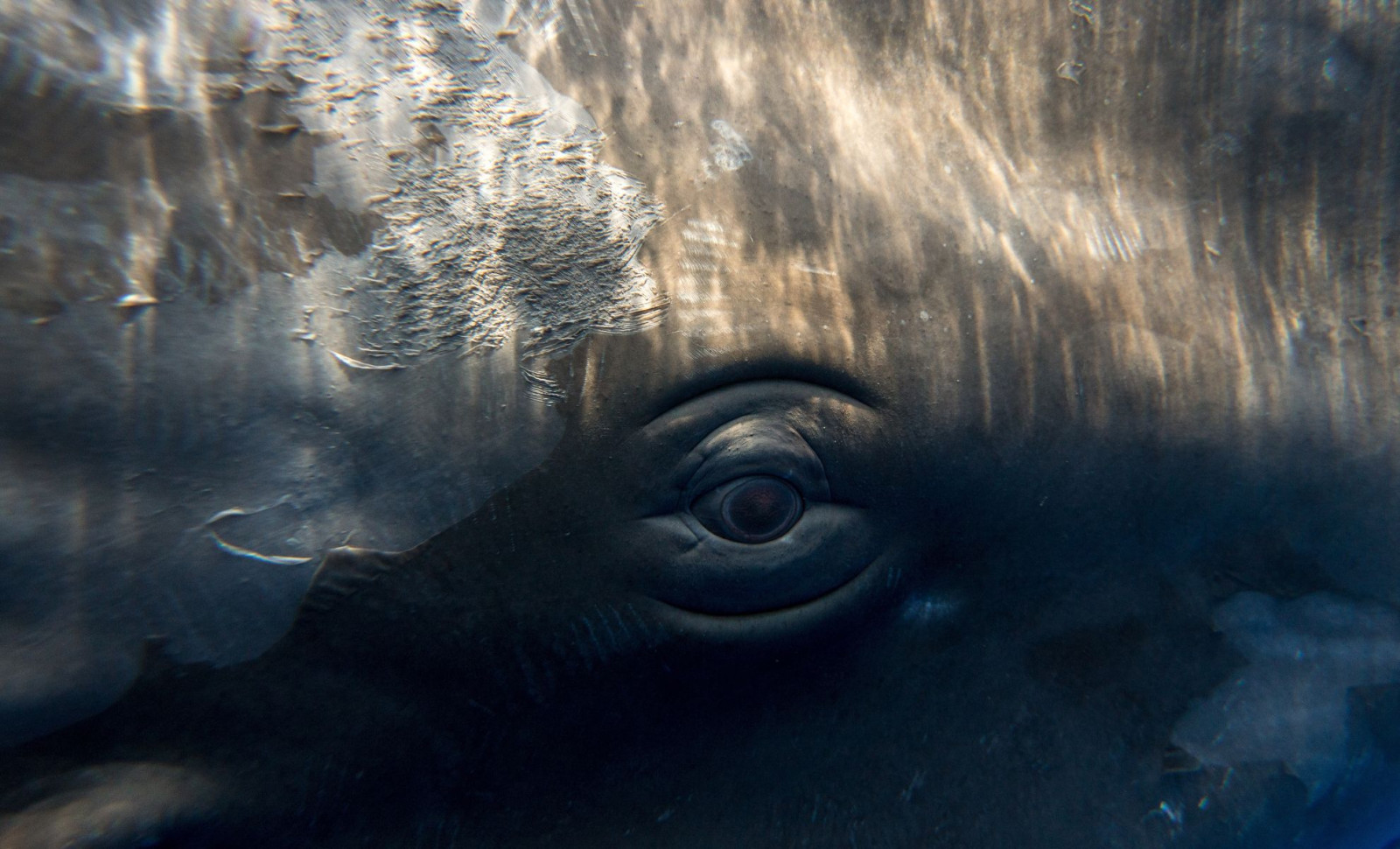
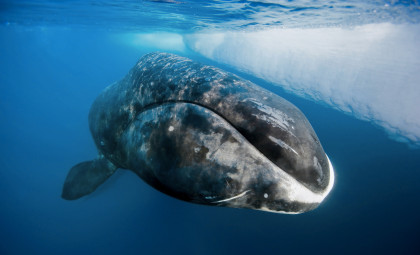
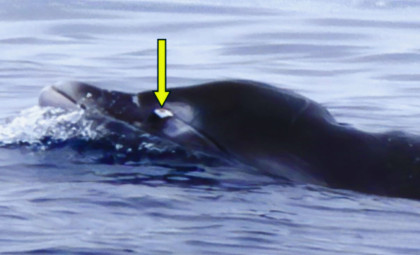
In 2007, Inuit hunters in Alaska caught a bowhead whale that concealed an extraordinary secret: embedded within its flesh were remnants of a harpoon dating back to the late 19th century. This remarkable evidence allowed researchers to estimate the whale’s age at approximately 115 years.
Bowhead whales are renowned for their impressive lifespans, frequently outliving most mammal species. Extensive research has suggested that some individuals might live over two centuries, making this discovery particularly significant for understanding their longevity.
The whale was taken during a traditional hunt conducted by Indigenous communities, a practice that remains legal and culturally significant in Alaska, providing sustenance to local populations.

An Unexpected Discovery During a Traditional Hunt
While the whale was being examined, a biologist identified several metallic fragments lodged inside the animal. According to IFLScience, these objects were forwarded to John Bockstoce, a historian affiliated with the New Bedford Whaling Museum, to ascertain their origin.
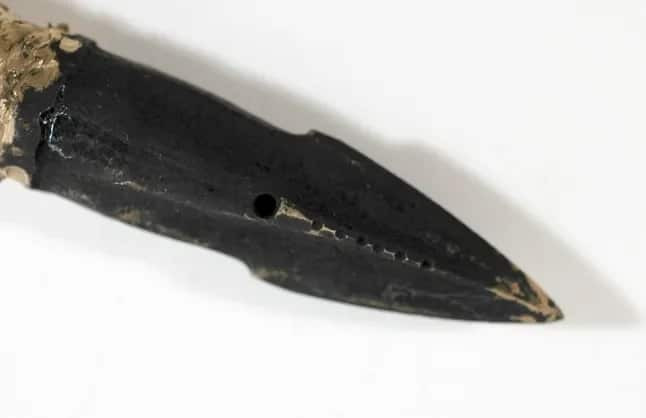
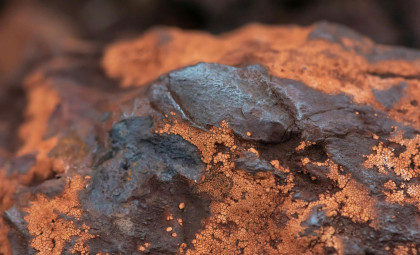
These fragments were traced to an exploding lance, a harpoon variant commonly utilized by whalers from New Bedford, Massachusetts, during the late 1800s.
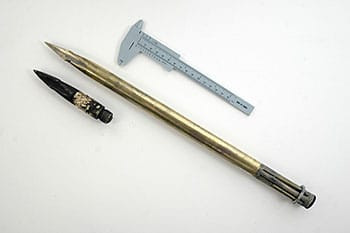
Analysis of the weapon’s design helped narrow down the timeframe during which it was likely deployed.
“We examined the piece and found that it was a model made after a patent of 1879 which was only made from 1879 to 1885, we think.” Bockstoce stated. “So, 1890 seems to be a reasonable estimate of when it was used. Either earlier or later by a few years perhaps.”
These approximate dates provided a unique insight: given the whale was still alive in 2007, it was estimated to be around 115 years old, or potentially even older.
A Survivor from the Whaling Era
During the height of commercial whaling, bowhead populations were decimated, dwindling to under 3,000 individuals before conservation measures took effect.
Commercial hunting of bowhead whales effectively ceased in 1921. Since that time, their numbers have slowly rebounded, with current estimates ranging between 10,000 and 23,000 whales.
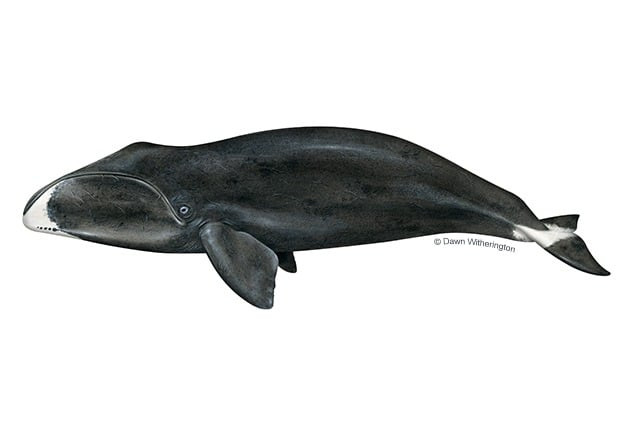
The Alaska whale may have survived encounters with whalers in the closing years of commercial hunting, managing to endure a harpoon strike and live over a century afterward.
Such an intact historical artifact embedded in an animal is rare, with the harpoon almost acting as a tangible timestamp from a bygone age.
Methods Used to Determine Whale Age
Because finding century-old harpoon fragments inside whales is exceptional, scientists largely rely on alternative techniques to approximate age, including analyzing the lens of the eye.
“Scientists usually use a rather obscure method to calculate the age of whales—they analyze amino acids in whales’ eyes. And they’ve concluded that some whales can live as long as 200 years. But the explosive spear tip found in this whale provides much clearer evidence of its age,” as quoted in Living on Earth.
By examining the chemical changes in the eye lens, scientists can estimate the whale's age, a process sometimes compared to radiocarbon dating due to the predictable alterations occurring over time.
Research also suggests that the bowhead whale’s remarkable lifespan may be linked to genetic factors that allow enhanced cellular repair before division, though this longevity trait might come with trade-offs, such as reduced fertility, according to NOAA.
- Categories:
- Science




0 comments
Sign in to Comment