
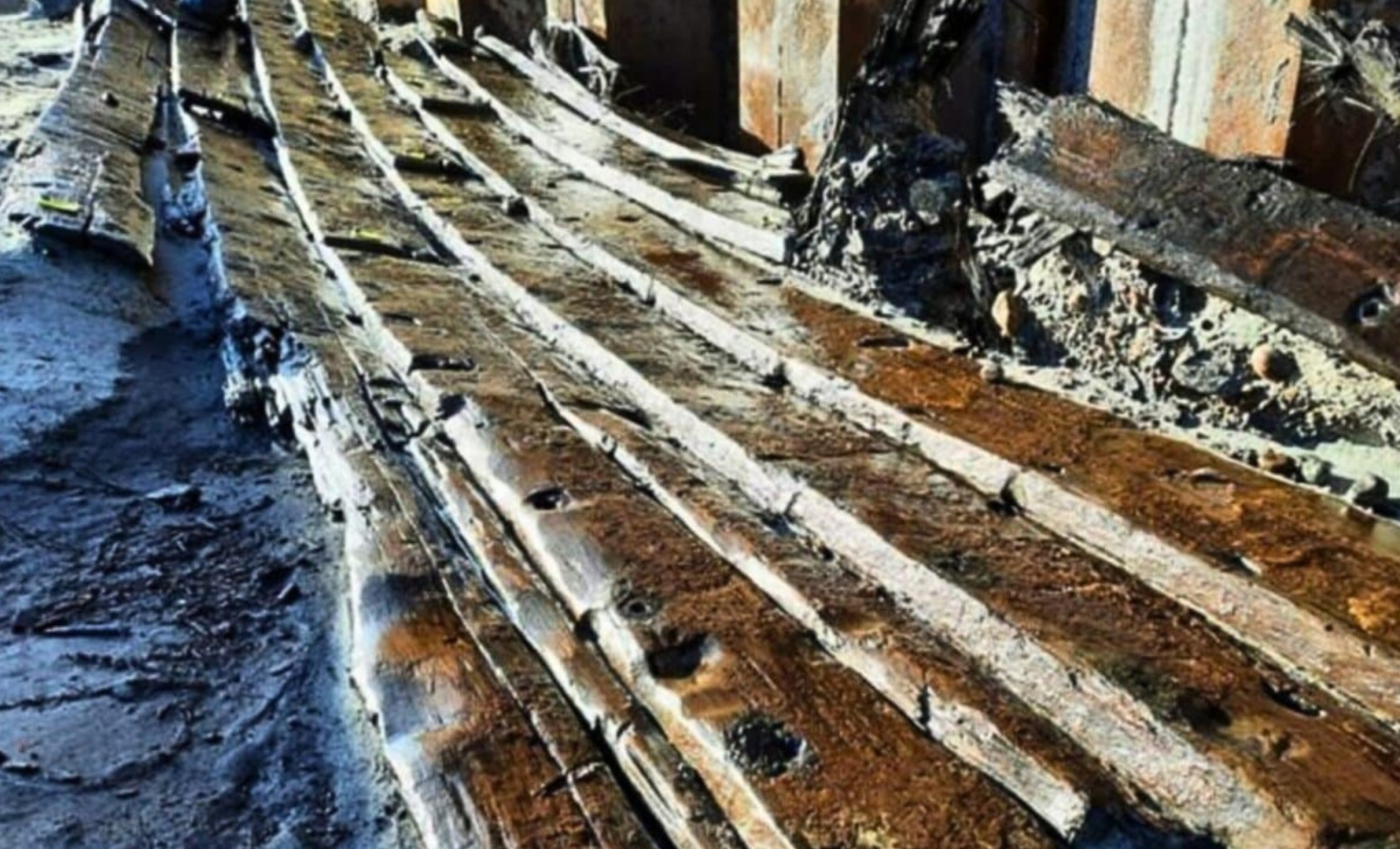
Fragments of wooden ship hulls have emerged beneath Varberg’s city center, where railway construction intersected with areas once covered by shoreline, harbor beds, and anchorages. Archaeological efforts connected to the Varberg shipwrecks project have uncovered remains belonging to six distinct vessels in Halland, Sweden. According to a report by Arkeologerna, four of these ships date back to the medieval or late medieval era, one to the 17th century, while one wreck remains undated.
This discovery arose from a 2019 archaeological investigation tied to the Varberg Tunnel, a significant infrastructure development led by the Swedish Transport Administration in the city's heart. This excavation provided a unique window into the city’s original waterfront and harbor zones. The submerged environment accounts for why vessels from separate epochs were found preserved close to one another.
The most detailed findings so far involve Varberg wrecks 2, 5, and 6, explored during the winter and spring of 2022. Arkeologerna highlighted that marine and terrestrial archaeologists from Bohusläns Museum, Visuell arkeologi, and Kulturmiljö Halland collaborated on the project. These discoveries shed light on archaeological activity in Sweden at a site where historic port functions and shipbuilding intersect with later urban infrastructure below ground.

Unearthing Six Vessel Remains in a Former Harbor Setting
The condition of the six shipwrecks varied considerably, with the finds representing vessel fragments rather than intact ships. Project leader Elisabet Schager noted that Wreck 2 was the best preserved among the three recently studied wrecks and was unique in having connected structural elements. Wreck 5 had minimal remains and was excavated quickly, while Wreck 6 was found under time constraints within a broader survey of medieval cog wrecks.
This variation in preservation enhances the archaeological value of the medieval shipwreck findings, offering a rich array of parts from different periods. Among the recovered materials are hull segments, dispersed timbers, an intact keel, and detailed construction features, all providing insights into shipbuilding techniques and the maritime environments these vessels operated in.
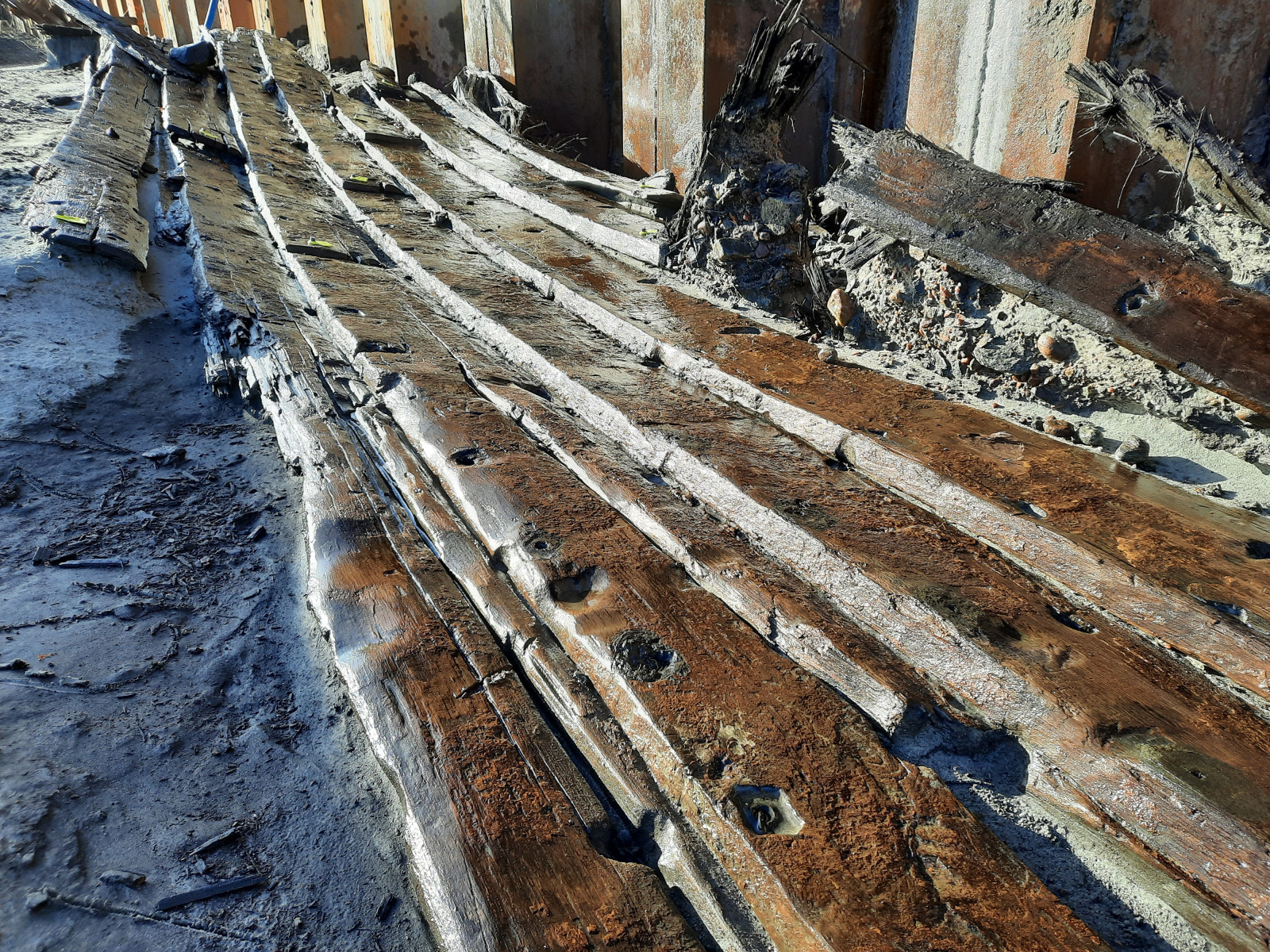
Schager explained that discoveries of ship remnants have grown more frequent along Sweden’s west coast, thanks to modern infrastructure projects crossing zones that were historically maritime hubs during the Middle Ages and early modern era. In Varberg, the tunnel project exposed a long-buried maritime landscape, yielding not a single artifact but a cluster of vessels connected to the city’s former waterfront.
Wreck 2: A 1530s Oak Sailing Vessel Preserved Beneath the City
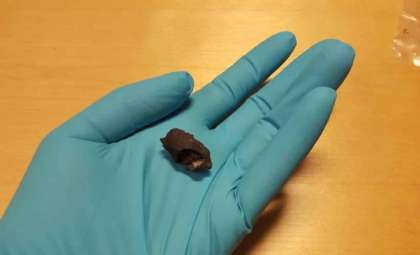
Wreck 2 consists of remains from an oak sailing ship built in the latter half of the 1530s. Initial bottom timbers were uncovered in 2021 during nocturnal excavation when a contractor installing sheet piling near the railway confronted the remains. Since no archaeologist was on-site and work could not be postponed, the materials were extracted and set aside for professional evaluation the following day.
The recovered parts include two starboard-side hull sections and multiple scattered timbers. Arkeologerna believes most of the ship remains lie beyond the sheet pile. This vessel was clinker-built, a technique where overlapping planks form the hull, characteristic of northern European shipbuilding traditions.
One hull segment featured a berghult affixed externally. This reinforcements strake likely served to strengthen the hull against contact with docks and support upper decks. A notch on the top side aligns with this supporting function, suggesting the ship was at least partially decked.
Diverse Construction Techniques Highlighted in the Ship Remains
The berghult on Wreck 2 showed signs of burning, though details about how or when this damage occurred remain unclear. This evidence contributes additional context about the ship’s final state before burial. Timber analysis indicates that woods from Wrecks 2 and 5 originated from oak forests in Halland or western Sweden. These vessels once sailed the waters surrounding medieval Varberg and New Varberg.
Wreck 5, also clinker-built, dates from a later era, with tree felling traced to the 1600s. Although only small fragments remained, rapid recovery was conducted. This wreck broadens understanding of Varberg’s maritime history, bridging medieval ship remains with those from the early modern period.
Wreck 6 differed in construction, being a carvel-built oak ship, where planks were fitted edge-to-edge rather than overlapped. This wreck was unique among the three in preserving its keel, described as a rabbeted design featuring a groove to accept the first planking strake.
Indications of Dutch Shipbuilding in Preserved Keel Architecture
Arkeologerna noted that certain features of Wreck 6 align with Dutch shipbuilding techniques, though dendrochronological tests could not firmly establish the wood’s origin or felling date. Consequently, they cautiously conclude that Dutch design influences are present, but precise provenance and chronology remain unknown.
Berghults typically appear on carvel-built vessels but are also observed on clinker-built ships. The team compared Wreck 2’s berghult with examples from the Osmund wreck in the Stockholm archipelago and the Riddarholm ship in Stockholm. The Osmund wreck, dating to the 1540s, featured clinker-built pine construction, while the Riddarholm ship, made from oak felled between 1516 and 1524, also exhibited clinker-building.
The analysis in Varberg is still underway, with researchers advancing studies on Wrecks 3 and 4, identified as 14th-century cogs. Detailed reporting will follow soon, but currently, the findings confirm six shipwrecks were uncovered during this excavation phase.
- Categories:
- News






0 comments
Sign in to Comment