
Earth's first steps onto land have traditionally been viewed through the lens of aquatic origins, with early vertebrates believed to undergo amphibian-like larval stages. However, groundbreaking research published in Science reveals fossilized juvenile tetrapods that do not conform to this longstanding developmental framework.
For many years, evolutionary theory posited that vertebrates evolved from fish through a tadpole-like larval phase before adapting to terrestrial life. Early tetrapods, it was thought, began life as aquatic larvae that later metamorphosed into land-dwelling adults. Despite the prevalence of this hypothesis, fossils documenting early life stages remained scarce.
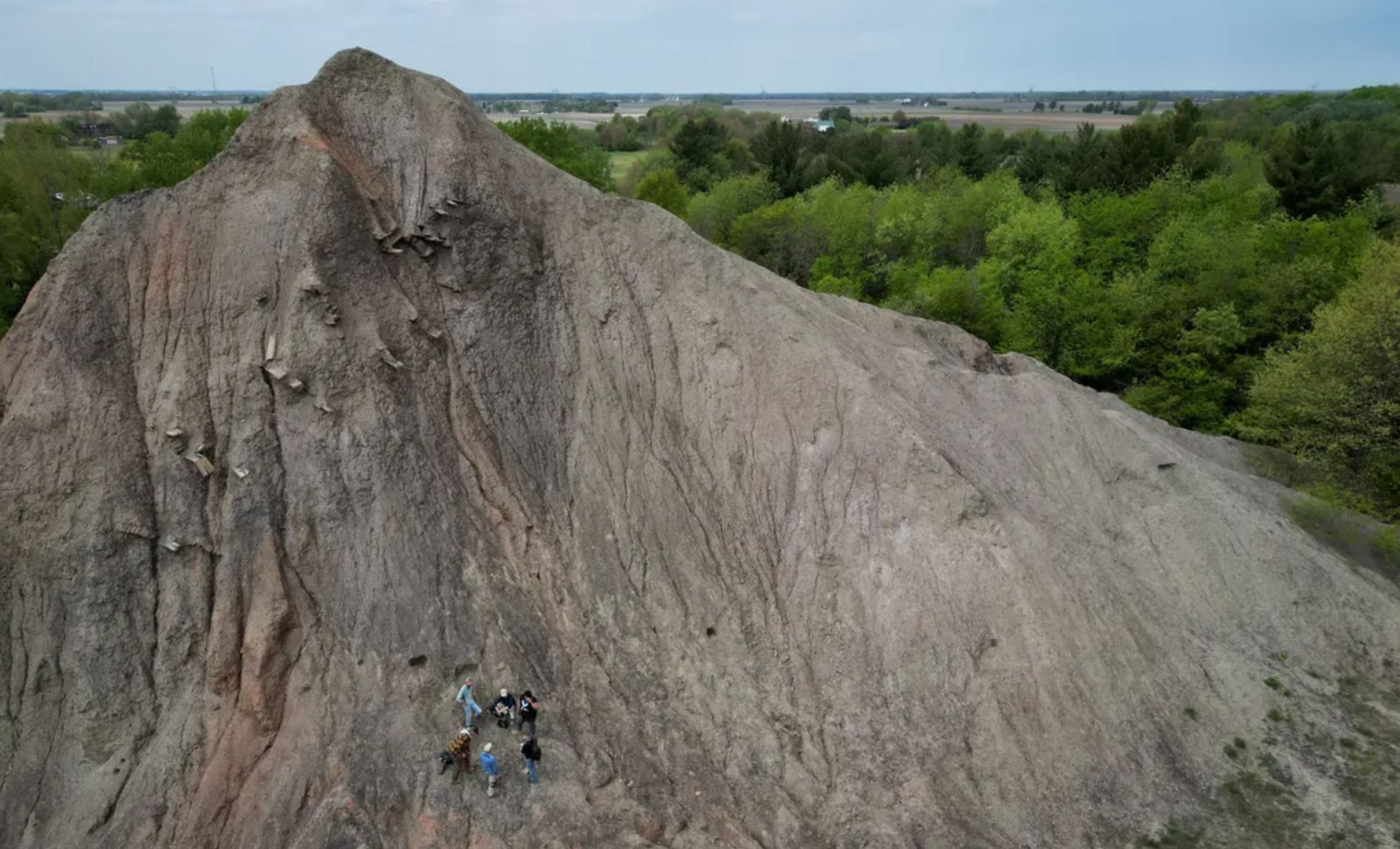
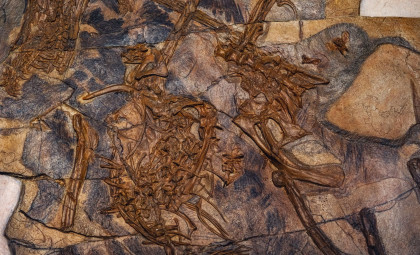
This new research draws on exceptionally well-preserved fossils from Mazon Creek, Illinois, a renowned site celebrated for its detailed preservation of soft tissues and fragile juvenile remains.

Mazon Creek: Unlocking Secrets of Juvenile Vertebrates
The Mazon Creek fossil beds, situated about an hour southwest of Chicago, are famous for capturing delicate anatomical features of ancient organisms. Researchers at the Field Museum emphasize its uniqueness as one of the limited sites where fossilized juvenile vertebrates are preserved intact, offering rare insight into their early development.
Assistant curator Arjan Mann referred to the locality as a “time capsule that captures the impossible,” highlighting the rarity of discovering juvenile stages of extinct creatures.
This investigation utilized dozens of fossils obtained not only by professional scientists but also through contributions from dedicated citizen researchers and local fossil enthusiasts. Mann remarked:
“Every single specimen in this paper was a joint effort with the Earth Science Club of Northern Illinois, the Lauer Foundation for Paleontology, Science and Education, and the Field Museum. We could not have done this without the help of lots of scientists, including citizen scientists and volunteers.”
Juvenile Embolomeres Reveal a Different Developmental Path
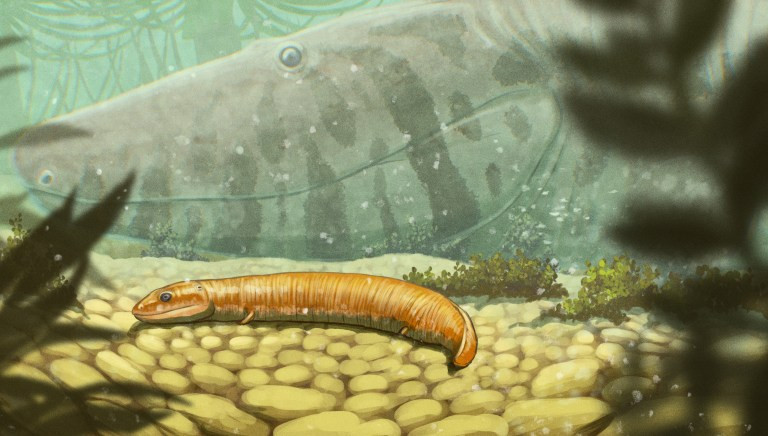
The most notable fossils include juvenile embolomeres, an extinct group of primitive tetrapods dating from about 350 to 280 million years ago. These adult creatures were large, crocodile-resembling predators often exceeding 10 feet and inhabiting freshwater environments like rivers and swamps.
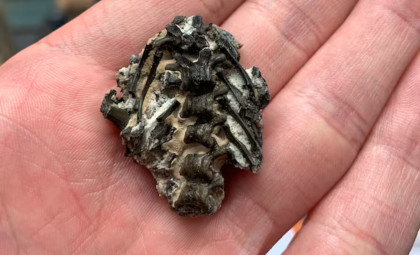
These juvenile fossils, only a few centimeters in length, already display limb structures consistent with early tetrapods but lack typical larval traits such as external gills or a distinct tadpole-shaped body.
Multiple specimens from various lineages demonstrate a similar developmental pattern: direct growth without a metamorphic larval phase. Co-lead author Jason Pardo explained:
“This is the first time we’ve had these early, early hatchling animals. This discovery is really a testament to the power of Mazon Creek, the site where these fossils came from.”
Pardo further emphasized that the lack of a tadpole-like phase suggests that the widely accepted view of amphibian-style metamorphosis in early tetrapods may need reevaluation.
New Perspectives on Vertebrate Terrestrial Adaptation
Metamorphosis has long been viewed as a crucial evolutionary mechanism facilitating the transition of vertebrates from aquatic to terrestrial life by linking water-dwelling juvenile stages to land-adapted adults. Fossil evidence from Mazon Creek, however, indicates this process was likely uncommon among early tetrapods.
Pardo stated that absent a larval tadpole stage, the classical metamorphosis model does not adequately explain these ancient animals' development. He noted:
“The story was that metamorphosis is the tool by which animals made the transition from water to land. That story doesn’t work anymore, it’s dust in the wind.”
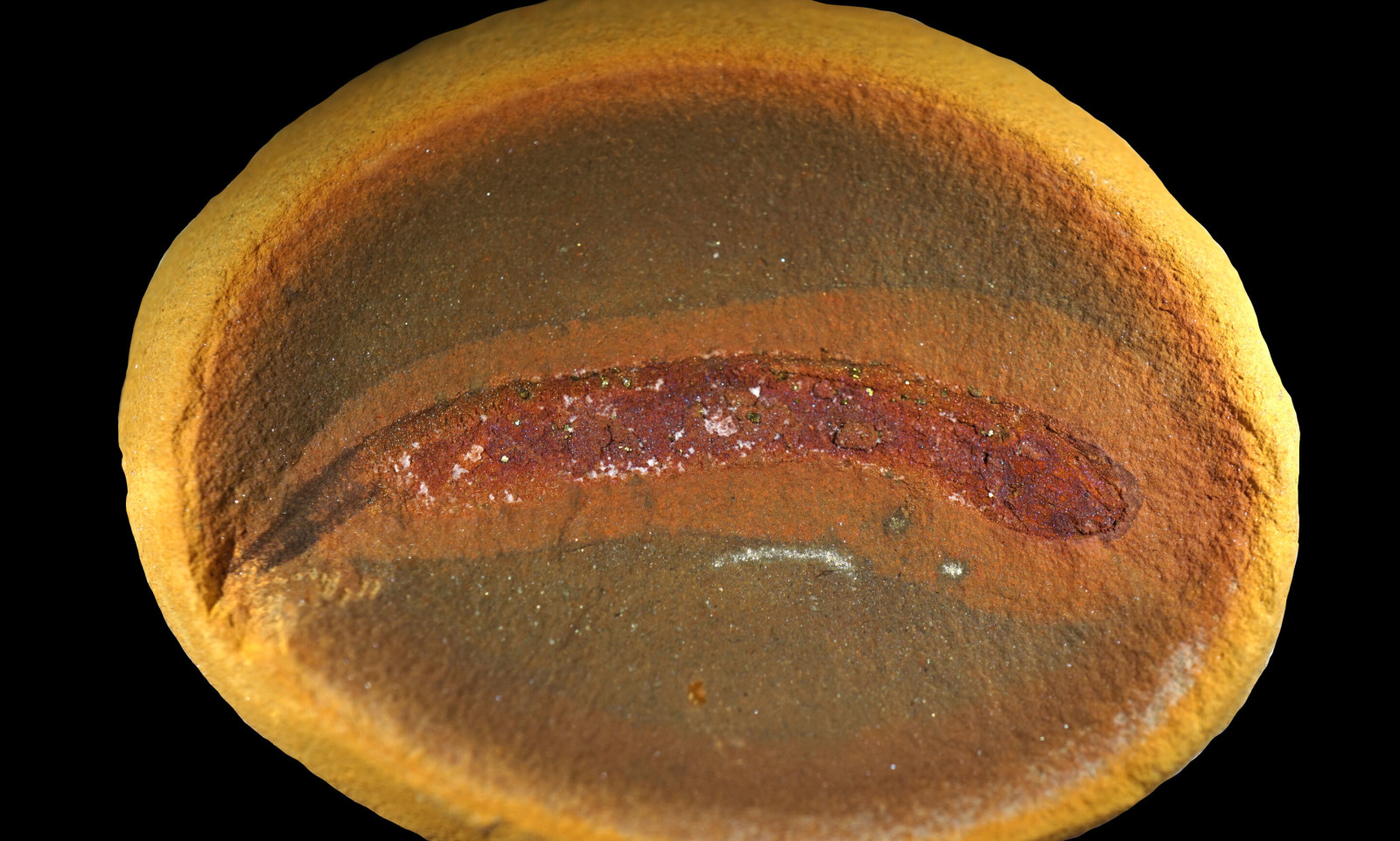
The evidence suggests early tetrapods grew more directly—juveniles resembled miniature adults—much like modern reptiles, birds, and mammals. This developmental style appears consistent across multiple fossil groups from Mazon Creek, indicating that such growth patterns were widespread rather than lineage-specific.
- Categories:
- Science







0 comments
Sign in to Comment