
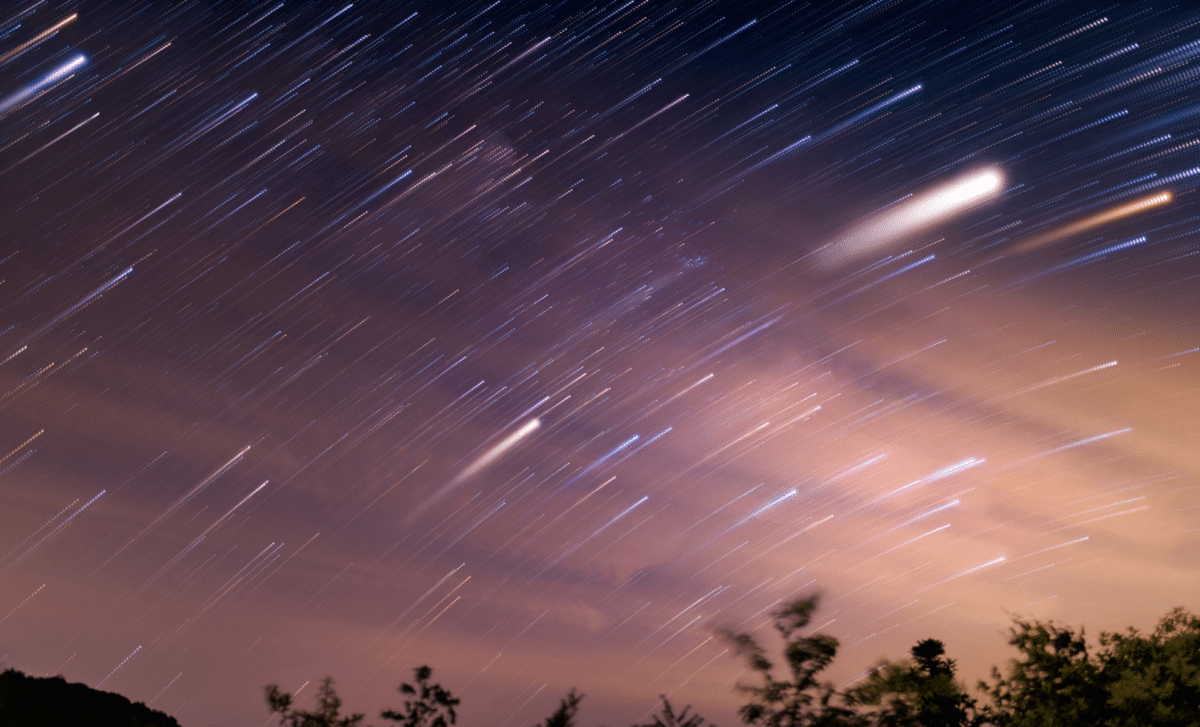
The Artemis program by NASA, which aims to send humans back to the Moon, encounters an unforeseen but significant hazard: meteor storms. As missions prepare to journey beyond Earth's orbit, fast-moving micrometeoroids present a challenge to both the safety and schedule of lunar expeditions. Traveling at speeds surpassing 22,000 miles per hour, even the tiniest particle can inflict substantial damage to spacecraft bound for the lunar surface.
Grasping the Danger from Micrometeoroids
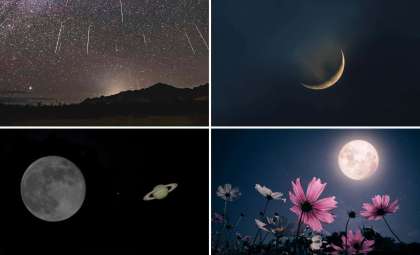
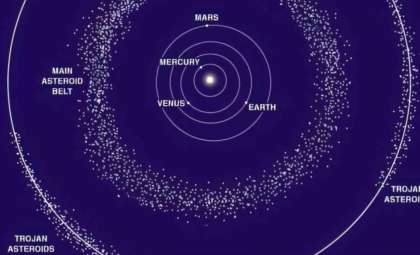
Contrary to the perception of space as a void, it contains countless particles. Approximately 48.5 tons of space debris, from minuscule micrometeoroids to larger fragments, enter the Earth’s atmosphere daily. During meteor showers, this debris density spikes as Earth crosses paths with trails left by comets and asteroids. While these celestial events delight observers on Earth, they create real threats for spacecraft navigating these regions.
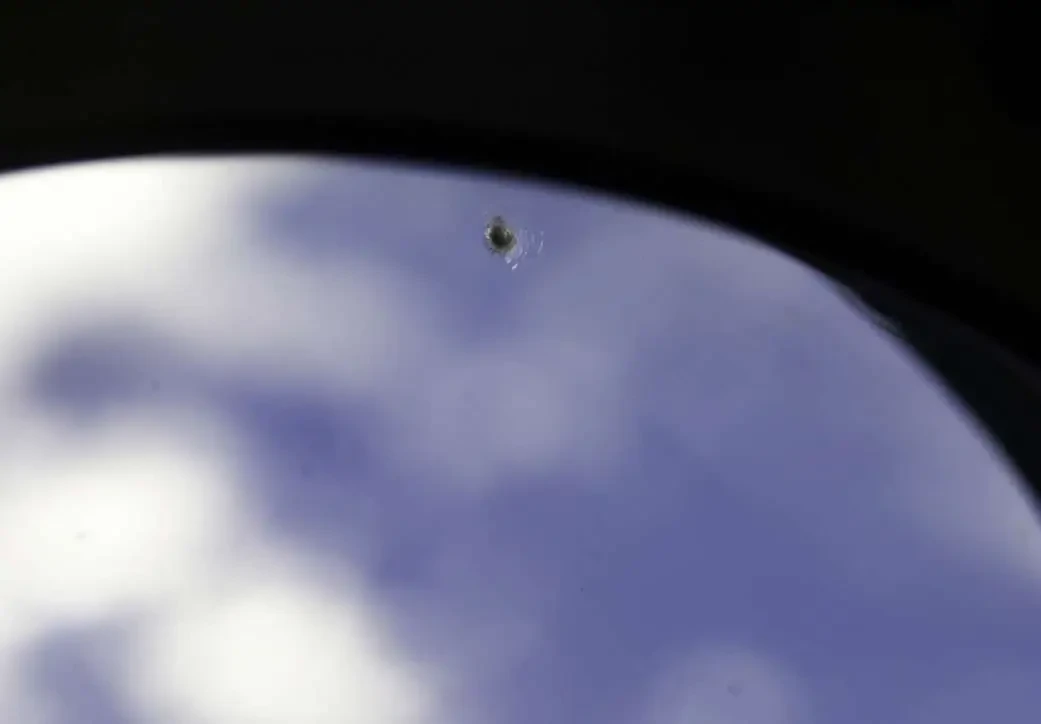
Micrometeoroids have the potential to breach spacecraft surfaces, harm thermal protection tiles, or impair vital onboard systems. As Mike Heckwolf, Orion crew and mission risk integrator at Lockheed Martin, told Space.com:

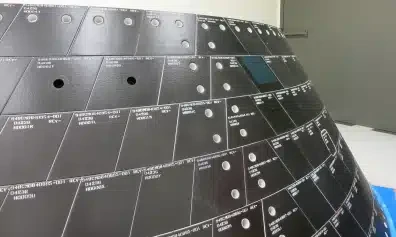
“Orion spacecraft material selection and thicknesses have been optimized for [micrometeoroid and orbital debris] (MMOD) protection and risk balancing. Hypervelocity impact testing is conducted to confirm impact physics, to characterize damage survivability, and verify performance of the Orion spacecraft MMOD design. The Artemis mission trajectory and Orion flight attitude are carefully assessed to minimize MMOD risk.”
Although these precautions enhance astronaut safety, intense meteor events remain a critical risk factor.
Meteor Storms as Operational Hazards
Not all meteor showers have the same level of intensity. NASA notes that only a small number of the over 1,000 documented meteor showers significantly raise background debris levels, becoming an operational concern.
“Only a handful of the more than 1,000 known meteor showers exceed the sporadic background by more than 5% — like the Geminids, for example — [which is] the strongest annual shower,” noted Bill Cooke, lead of NASA’s Meteoroid Environments Office.
Powerful meteor outbursts, such as upcoming Perseids and Leonids expected over the next decade, could sharply increase micrometeoroid concentrations near spacecraft traveling to the Moon. NASA has previously postponed missions to avoid meteor activity peaks, including the STS-51 space shuttle flight in 1993. Such measures reveal how vital forecast-based scheduling is to safeguarding crew welfare while maintaining mission timelines.
Defense Tactics for Artemis Flights
Advanced spacecraft like Orion feature multiple protective layers and endure stringent trials to resist high-speed impacts. Designers optimize material choices and structural layouts to disperse the energy of micrometeoroid hits, lessening the chance of catastrophic damage. During mission-critical periods, engineers also optimize flight paths and spacecraft orientation to limit exposure to dense debris streams.
NASA partners with meteor forecast experts to plan mission timing so as to avoid intense meteor showers. According to Space.com, Artemis 4, scheduled for early 2028, might face a Perseid meteor outburst that August. This strategic scheduling helps ensure that astronauts are protected from extreme meteor hazards while mission goals continue with minimal disruption.
- Categories:
- News




0 comments
Sign in to Comment