
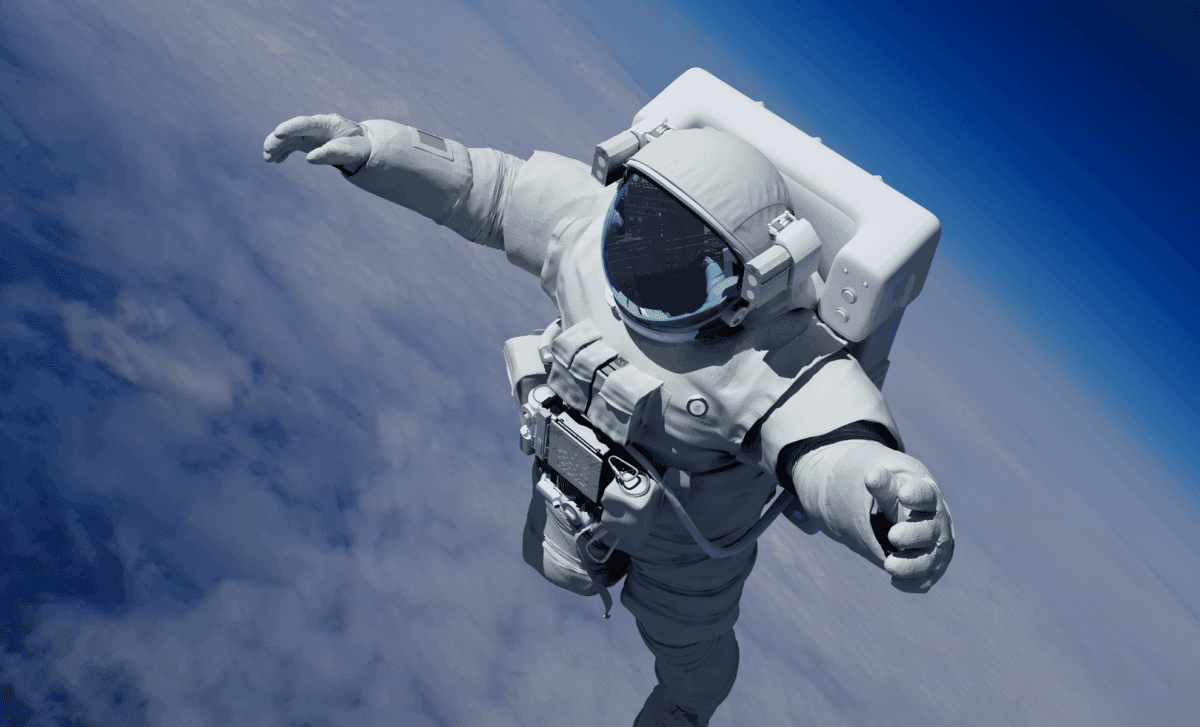
As human space missions extend in duration and distance, scientists are revealing the profound impacts of space environments on the human immune system. Known as astroimmunology, this emerging discipline focuses on understanding how extraterrestrial conditions distort immune responses, which is vital for astronaut wellbeing. A recent article in Nature Reviews Immunology presents a detailed analysis of the cellular disturbances encountered during space travel and proposes strategies to counter these effects.
The Invisible Battle Within Astronauts
Though space captivates with its grandeur, it presents harsh challenges to human biology. Factors like microgravity and cosmic radiation create a unique environment that disrupts immune function in ways previously not fully grasped. Researchers have long noticed that astronauts often suffer from weakened immunity and unexplained health issues, but lacked insight into the underlying mechanisms.
“Most of the classical human immunology data on spaceflight came from basic phenotyping studies – you could see that spaceflight perturbed the immune system, but there was very little known on why the immune system didn’t function well in space,” explained Dr. Dan Winer, lead author of the new study.
Add Cosmo Herald as a Preferred Source

The turning point arrived with the adoption of multiomic analysis, offering unprecedented molecular detail on immune cells affected by space conditions.
“Now that investigators have brought multiomics into the work, we and others are able to identify mechanisms and hallmarks of space-related immune dysfunction,” Winer added.
Insights from experiments aboard the International Space Station, ground-based simulations, and SpaceX’s all-civilian Inspiration4 mission are now shaping the framework of astroimmunology.
Microbiome Shifts and Viral Reactivations in Orbit
On a microscopic scale, spaceflight throws the immune system into disarray. Astronauts experience biological instability, with crucial contributors like the gut microbiome undergoing unexpected changes. Viral dormant states, such as those of Epstein-Barr and herpesviruses, can awaken in space, increasing vulnerability to sudden illness.
The study led by Winer, featured in Nature Reviews Immunology, reveals how microgravity leads to erratic behavior of immune cells including T-cells and B-cells. As the authors highlight,
“The larger goal of establishing this emerging subspecialty of astroimmunology is to develop countermeasures to protect the health of those exploring life off of Earth.”
Suggested solutions include tailored immune support programs, continuous immune monitoring during missions, vaccines adapted to space conditions, and nutritional therapies designed to boost immune resilience.
Innovations in Space Immune Protection: AI and Natural Compounds
Researchers are leveraging machine learning techniques to decode immune alterations and forecast potential health risks. Promisingly, a plant-derived flavonoid named quercetin has emerged as a candidate to help balance immune function in space, with early experiments pointing to its prophylactic benefit for astronauts.
Looking beyond Earth orbit, the establishment of Moon bases and manned Mars expeditions makes immune system stability a critical concern. Factors unique to these environments—such as Martian dust, higher radiation doses, and altered gravity—pose amplified immune challenges.
“We can now track precisely how each cell of the immune system adapts to space and varied planetary environments, which can guide preparations for new missions and help keep astronauts safe,” said Christopher Mason of Weill Cornell Medicine, who co-authored the paper.
The Expanding Horizon of Astroimmunology
While still emerging, astroimmunology offers new avenues for safeguarding human health in space. The current research sets a critical foundation for upcoming studies relevant to space stations, interplanetary voyages, and future human habitats beyond Earth. It underscores an essential realization: spaceflight alters human biology in complex ways we are only starting to decode.
“The study of astroimmunology is still in a very early stage,” emphasized Winer. “We think this paper sets the stage as a guide for future research in one of the body’s systems most impacted by spaceflight. It certainly is an exciting time to be involved in space research.”
- Categories:
- News







0 comments
Sign in to Comment