
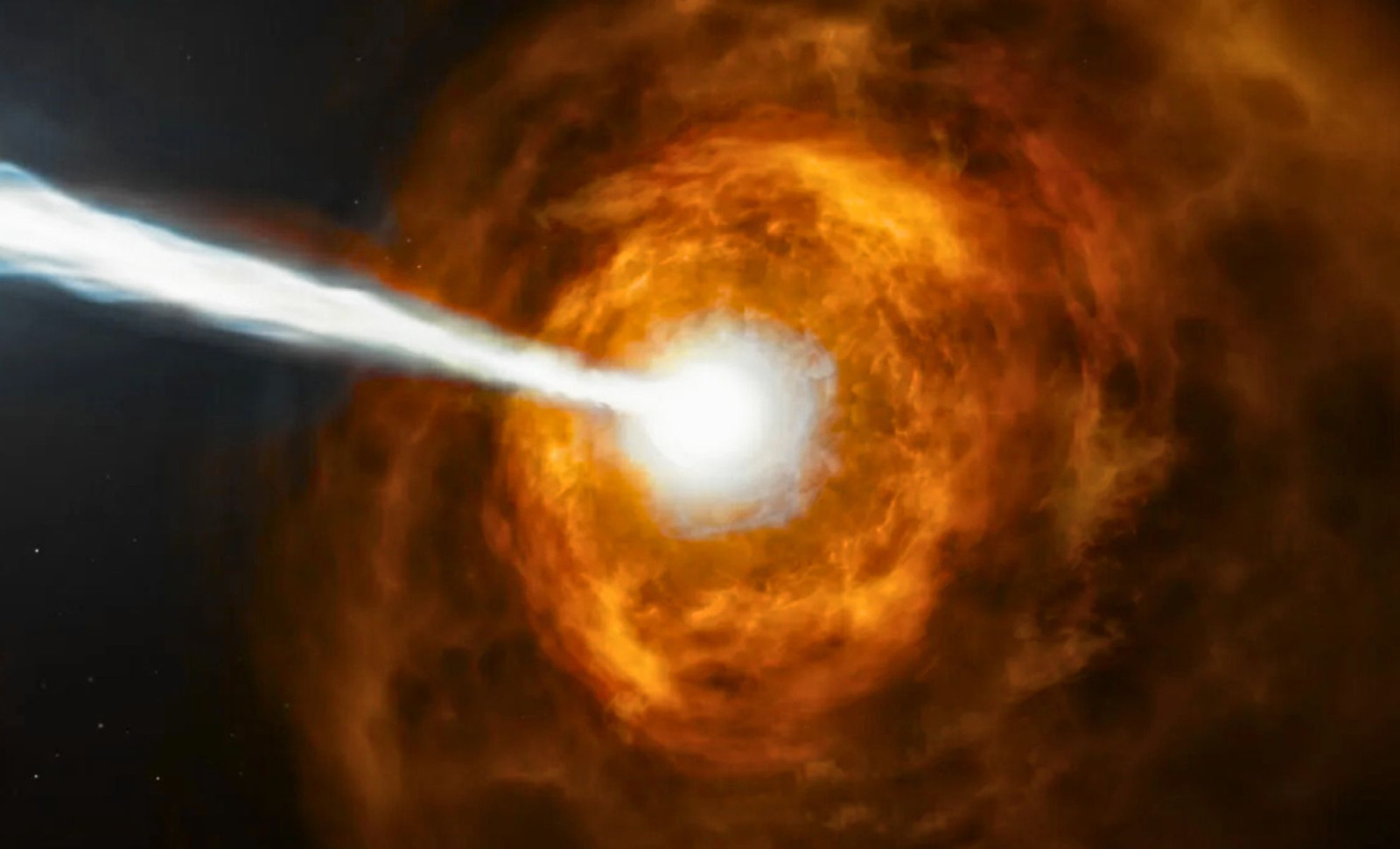
In mid-2025, astrophysicists encountered an extraordinary high-energy phenomenon that persisted for over seven hours, captivating researchers monitoring rare cosmic events. This phenomenon, known as GRB 250702B, was simultaneously observed by several orbiting observatories and has set a new benchmark for the longest gamma-ray burst detected to date.
Unlike typical gamma-ray bursts, which generally stem from the collapse of massive stars or mergers of neutron stars and last only moments, GRB 250702B’s remarkably prolonged emission defies typical characteristics. Its uniquely sustained signal profile has not been witnessed in decades of astronomical observations.
The initial discovery triggered an immediate international collaborative effort. Extensive data exchange between NASA, the European Space Agency (ESA), and diverse research institutions was rapidly established. The intricate nature of this burst is prompting scientists to reconsider the origins of such phenomena, as well as the adequacy of existing classification frameworks.

Record-Breaking Gamma-Ray Burst Duration Astounds Experts
The event was first recorded on July 2, 2025, by the Gamma-ray Burst Monitor instrument aboard NASA’s Fermi Space Telescope. This system triggered alerts when it detected what initially appeared to be three separate intense gamma-ray flashes originating from the same region of the sky.
Comprehensive analysis of data from Fermi combined with observations from at least four other satellite observatories confirmed that the burst lasted around 25,000 seconds. This duration more than doubles the previous longest gamma-ray burst, previously recorded at approximately 15,000 seconds.
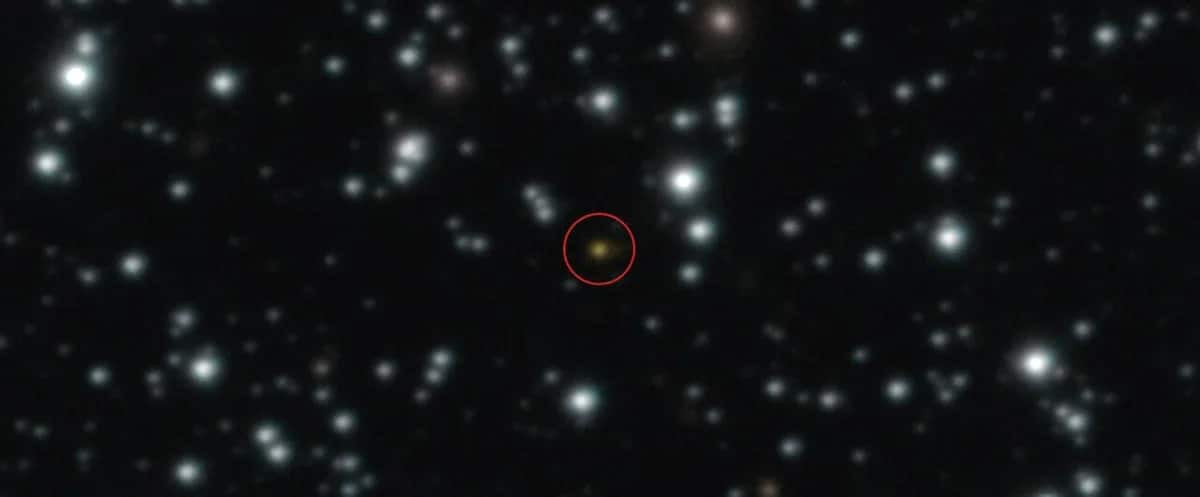
During an interview featured by BBC Sky at Night Magazine, Eliza Neights, a NASA Goddard Space Flight Center researcher and on-duty burst observer, explained that what was first seen as three individual bursts was later consolidated into one continuous emission from a single source.
The combined efforts of multiple observatories — including NASA, ESA, and affiliated partners — enabled detailed tracking of the burst’s emission. The unified light curve reveals ongoing energy discharge, suggesting GRB 250702B arises from a source fundamentally distinct from known gamma-ray bursts.
So far, scientists have not identified the host galaxy nor obtained a redshift measurement. The anticipated optical afterglow was either undetectable or extremely faint, consistent with models of certain low-luminosity merger events.
Helium Star and Black Hole Interaction Offers a Leading Explanation
Gamma-ray bursts are generally divided into two categories: short bursts lasting less than two seconds caused by compact object collisions, and long bursts spanning up to several minutes, typically tied to the deaths of massive stars producing black holes.
Neither classification comfortably accounts for a burst that endures for several hours.

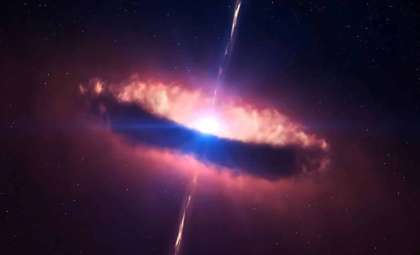
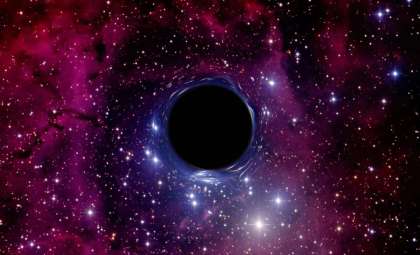
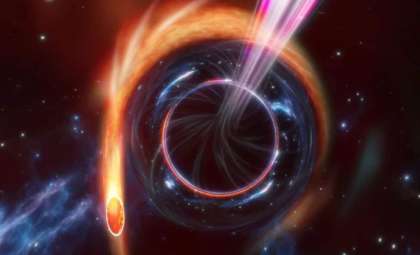
The team investigating GRB 250702B proposes a less conventional theoretical model known as the helium star merger. This process involves a stellar-mass black hole closely orbiting a helium-rich star stripped of its hydrogen layer. As the helium star expands, the black hole spirals inward, entering the star's extended envelope and rapidly accreting matter.
This intense interaction may drive a persistent relativistic jet that emits gamma rays over an extended period, consistent with the hours-long emission observed. The burst’s prolonged duration, moderate intensity, and spectral features fit the predictions generated by simulations of such systems.
While this remains a hypothesis, it currently stands as the most plausible interpretation coherent with multi-observatory data. This insight also enriches our understanding of binary star evolution, especially systems involving black holes and evolved helium stars.
Current Detection Systems May Overlook Long-Duration Bursts
The rarity and length of GRB 250702B highlight gaps in existing gamma-ray observatories’ detection capabilities. Most are optimized to spot sudden, short-lived high-energy flashes, which biases discovery towards typical, brief gamma-ray bursts and may miss longer-lasting, fainter phenomena.
Lengthy bursts like GRB 250702B often fall below automated detection criteria optimized for quick transients due to their slower evolution and reduced peak brightness. Consequently, numerous similar events might remain unrecognized.
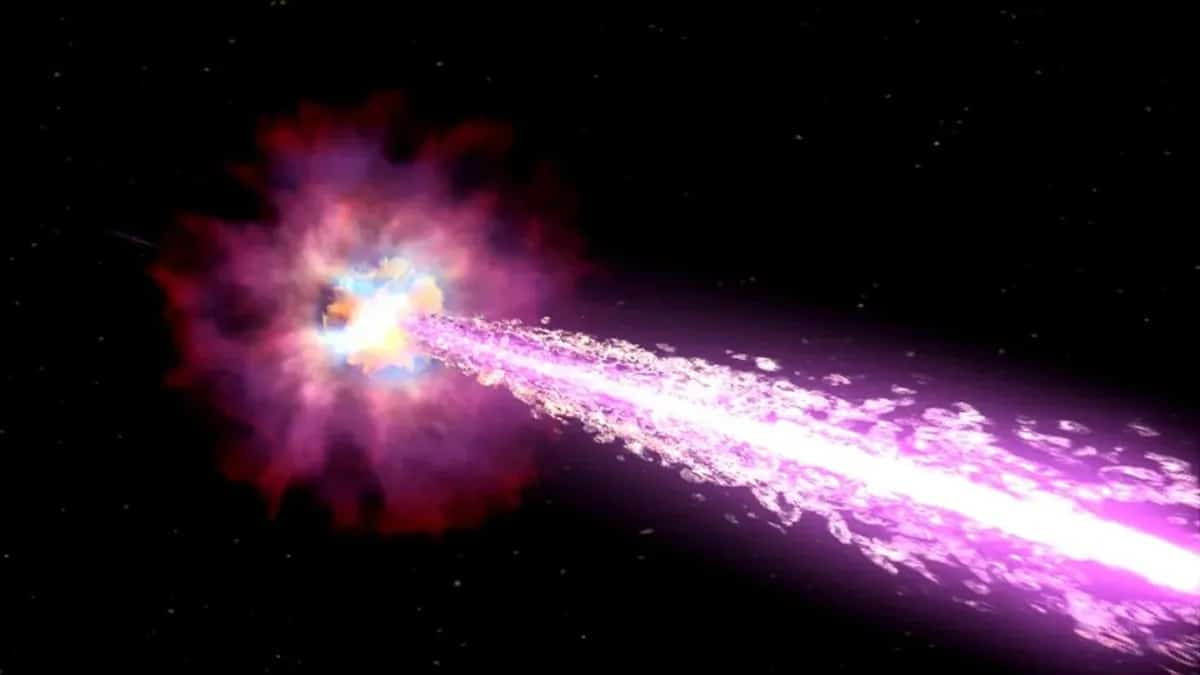
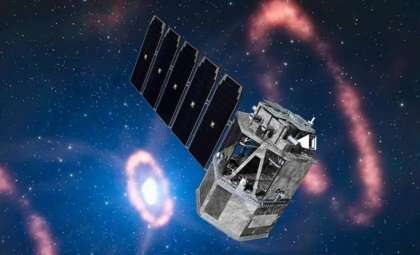
To overcome these challenges, NASA is incorporating long-duration burst detection parameters into the design and operational planning of the upcoming Compton Spectrometer and Imager (COSI), scheduled for launch in 2027. COSI’s sensitivity in the MeV gamma-ray band will enhance the ability to detect extended low-intensity emissions. The 2025 GRB event serves as a pivotal benchmark for refining detection algorithms and models.
Additionally, scientists have launched retrospective analyses of archival data with updated criteria, uncovering multiple candidate events that may represent overlooked long-duration bursts, warranting further study.
- Categories:
- Space




0 comments
Sign in to Comment