
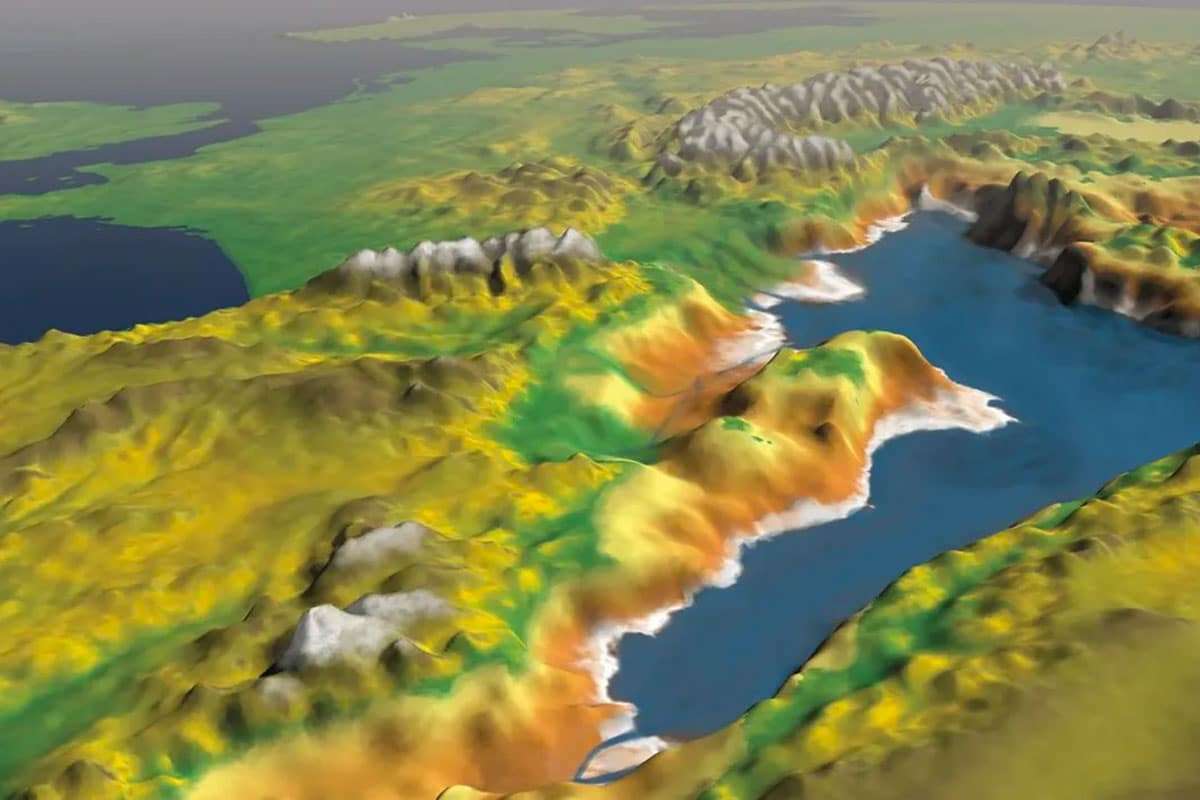
In a remarkable new study, Giovanni Aloisi, a CNRS geochemist at the IPGP, and his team have decoded the complex sequence behind one of the Mediterranean's most extraordinary transformations. By examining chlorine isotopes within salt deposits retrieved from the seabed, the researchers revealed a two-step sequence that led to the sea’s drastic drying:
- Partial closure: Over approximately 35,000 years, salt built up gradually in the eastern Mediterranean due to limited water exchange with the Atlantic Ocean.
- Accelerated drying: A faster phase under 10,000 years saw salt formation spreading throughout the entire Mediterranean basin.
During the latter phase, water levels plunged dramatically—dropping between 1.7 and 2.1 kilometers in the eastern basin, while also falling by roughly 850 meters in the western sector. The scale of this event dwarfs current climate concerns, such as the looming threat to glaciers across Europe, highlighting the immense geological forces at play during the Messinian Salinity Crisis.
Salt remnants under the sea
The Messinian Salinity Crisis left the Mediterranean seabed layered with vast salt deposits reaching thicknesses of up to three kilometers. Previously, scientists have been puzzled as to how such enormous deposits could accumulate so rapidly in geological terms. The latest research clarifies this by showing that the Mediterranean’s separation from the Atlantic caused intense evaporation, concentrating salts extensively.

To put this into perspective, here is a breakdown of the salt formation periods:
These immense salt layers not only reshaped the Mediterranean’s underwater topography but had significant consequences for climate, ecosystems, and the area’s geological dynamics.
Widespread consequences of the massive drying
The impacts of the Messinian Salinity Crisis extended far beyond the Mediterranean itself. The dramatic water level decline triggered significant regional changes:
- Disrupted terrestrial ecosystems: Fauna were forced to migrate or adapt in response to the transformed landscape.
- Volcanic eruptions: The reduction in crustal pressure led to increased volcanic activity in nearby areas.
- Worldwide climate ramifications: The massive basin depression likely influenced large-scale weather systems beyond the region.
One particularly notable outcome was the emergence of a temporary land corridor linking Africa and Europe. This bridge facilitated a remarkable exchange of flora and fauna, altering biodiversity across continents in ways still evident today.
Understanding Earth’s shifts to guide our future
The Messinian Salinity Crisis exemplifies Earth’s potential for rapid and profound environmental shifts. Through studies like Aloisi’s team’s publication in Nature Communications, scientists gain crucial insight into the interactions between oceans, climate, and tectonic processes. This ancient event provides essential context for anticipating future climate patterns and planetary responses.
While current environmental changes unfold differently and on shorter timescales, the Mediterranean’s deep past drought offers a powerful lesson on the possibility of swift transformations. Insights gleaned from such geological episodes equip us to better address and mitigate future ecological challenges, safeguarding Earth’s delicate ecosystems.
Source: IPGP
- Categories:
- Climate change













0 comments
Sign in to Comment