
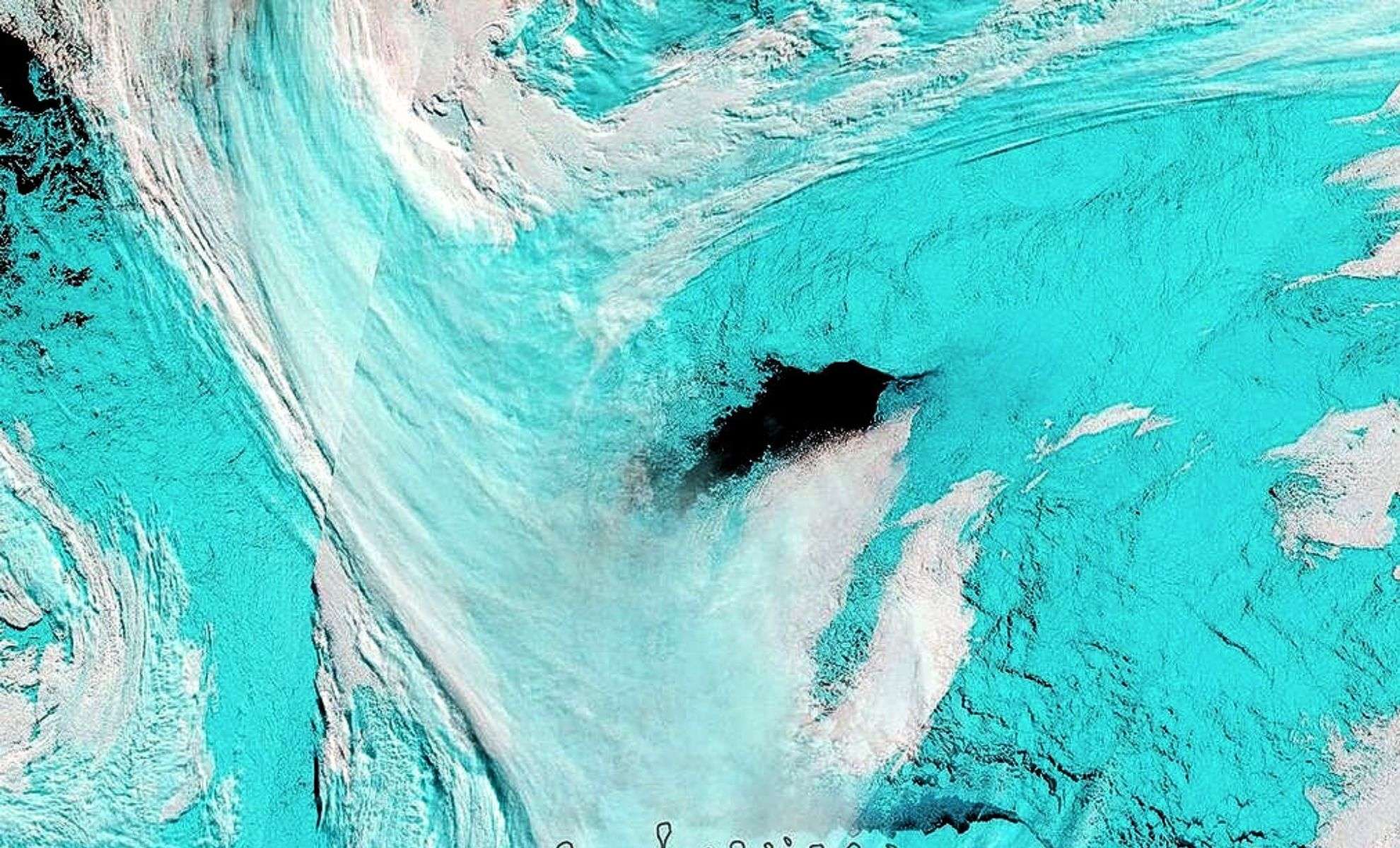
Scientists have recently identified the reasons behind a striking natural event in Antarctica. In the winters of 2016 and 2017, a vast hole in the sea ice, roughly the size of Switzerland, emerged in the Weddell Sea, an area typically covered with ice during the cold Southern Hemisphere winters. This phenomenon, named the Maud Rise polynya, has intrigued researchers who sought to decode the unique conditions that allowed such a large ice-free area to exist in the frigid Antarctic environment.
Investigating the Origins of the Maud Rise Polynya
Polynyas—open water areas amid sea ice—are common in polar regions. They usually form because of a combination of ocean circulation, atmospheric dynamics, and temperature fluctuations. These features tend to be transient but play an important role in regulating heat and gas exchanges between the ocean and atmosphere, influencing climate and ecosystems. Nevertheless, the Maud Rise polynya stood out by its vast size, comparable to an entire country like Switzerland.
Initially, the appearance of this polynya left scientists puzzled since such formations typically depend on air pressure systems, wind forces, and ocean currents. The long-lasting presence of the Maud Rise polynya challenged existing theories, prompting detailed investigations into the conditions that enabled its persistence.

Decoding the Mechanisms Driving the Maud Rise Polynya
Through comprehensive studies, researchers have identified several interacting factors responsible for the emergence of the Maud Rise polynya. According to findings published in the journal Science Advances, a key contributor was the intensified Weddell Gyre, a dominant ocean current circulating in the Southern Ocean. This enhancement brought warmer water from the depths to the surface, facilitating the melting of sea ice.
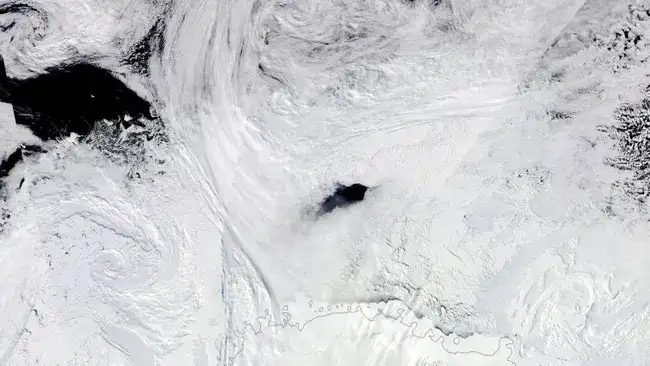
However, ocean currents were not the sole factor maintaining the open water. Scientists also found that turbulent eddies generated by oceanic motion acted like a pump, lifting salty water upward. Along with the effects of Ekman transport—winds driving horizontal water flows—these processes were essential to keeping the polynya from freezing over in winter, when temperatures typically favor ice growth.
Ecological and Climatic Significance of the Maud Rise Polynya
The presence of the Maud Rise polynya holds implications far beyond its immediate area. Such openings are vital to ocean circulation and the exchange of heat. They permit warmer waters to reach the surface and encourage deep water mixing, which refreshes the ocean’s deeper layers.
These phenomena impact not only Antarctica but also global climate systems. Large polynyas like Maud Rise influence the balance of carbon and thermal energy in the Southern Ocean, with important repercussions for worldwide climate behavior. Furthermore, these open water zones create critical habitats for a variety of marine wildlife, including mammals, birds, and fish, providing feeding and breeding grounds during the harsh Antarctic winter.
Understanding the dynamics behind the Maud Rise polynya equips scientists to better forecast how climate change may alter conditions in the Southern Ocean. Though rare, polynya events are linked to environmental changes that could become more frequent as global temperatures climb.
- Categories:
- Science










0 comments
Sign in to Comment