
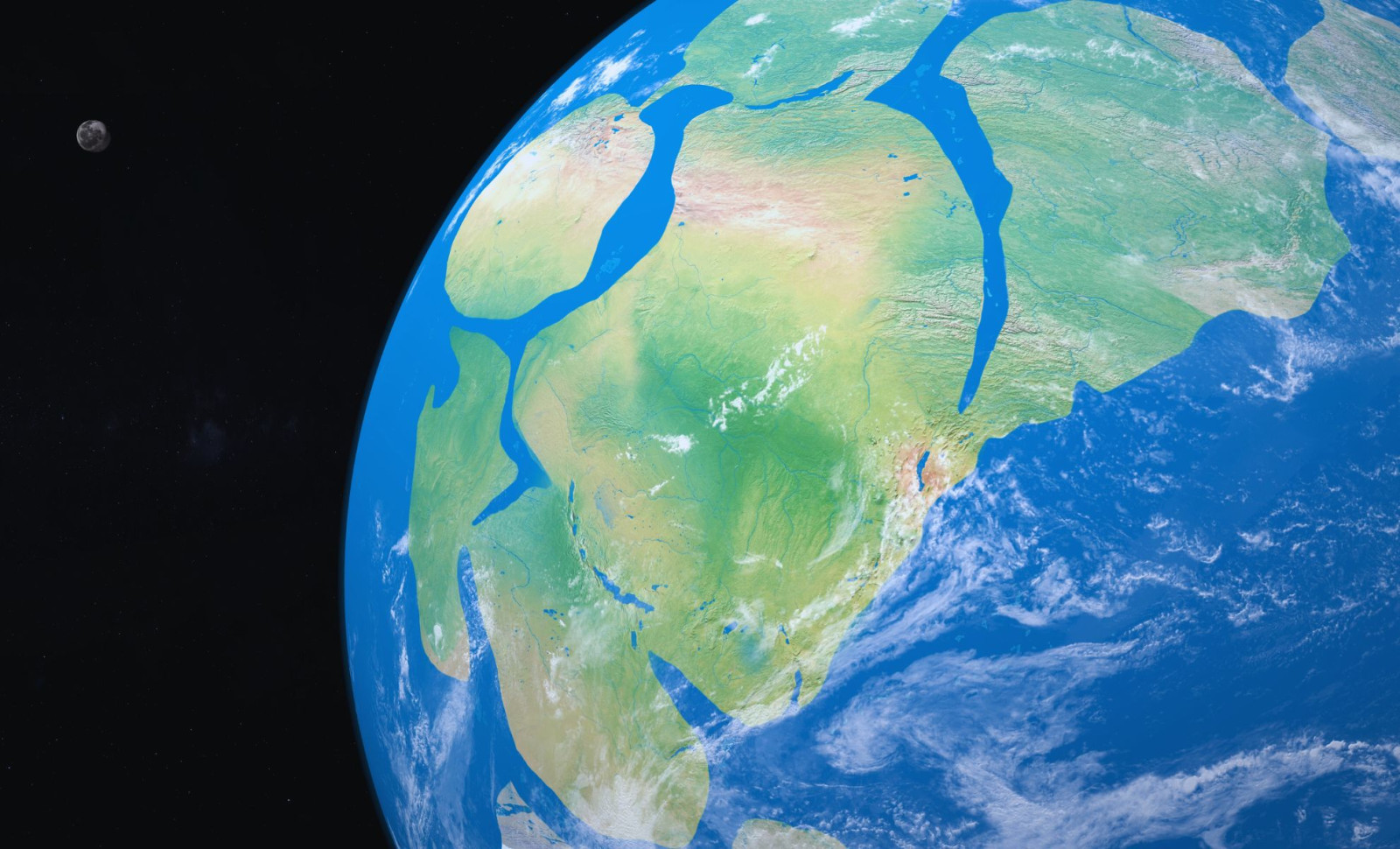
Long before Pangea dominated Earth's landscape, there may have been another colossal landmass known as Pannotia. Once regarded as a vital chapter in our planet’s geological saga, the existence of Pannotia is now facing increased skepticism among researchers.
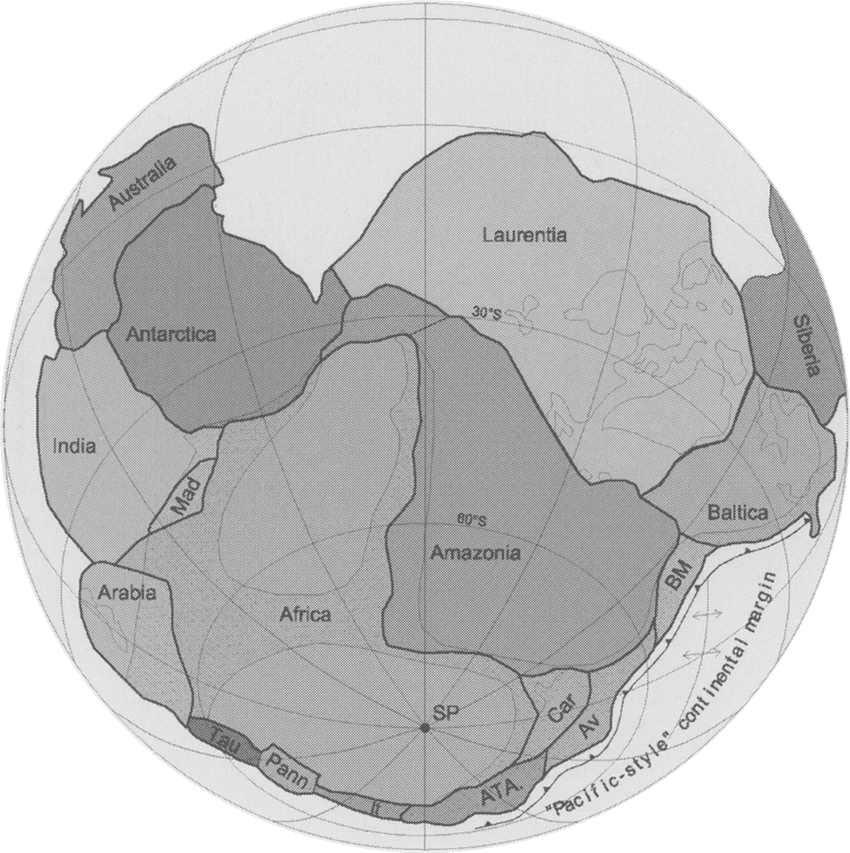
The concept of Pannotia emerged several decades ago as a means to explain Earth’s continental layout approximately 600 million years ago. Believed to have formed near the South Pole, this hypothesized supercontinent was thought to influence major climatic shifts and catalyze the remarkable increase in biodiversity during the Cambrian period. However, with the arrival of refined dating technologies, many foundational aspects of this theory have been challenged.
An Ephemeral Giant in the Southern Hemisphere
Derived from Greek roots meaning “all” and “south,” Pannotia was proposed to be a supercontinent concentrated mainly near the South Pole in the Southern Hemisphere. Unlike Pangea, which eventually fragmented into the continents familiar today, Pannotia is believed to have existed only briefly, for about 40 million years, before breaking apart.

This landmass held significant geological importance. Experts such as Christopher Scotese have argued that Pannotia’s formation and breakup triggered critical environmental transformations, including the substantial sea level declines and the onset of Neoproterozoic Ice Age conditions.
Supporters of this hypothesis propose that the fragmentation of Pannotia set the environmental stage for the “Cambrian Explosion,” an era marked by rapid diversification of complex life. Nevertheless, emerging evidence increasingly casts doubt on Pannotia’s existence.
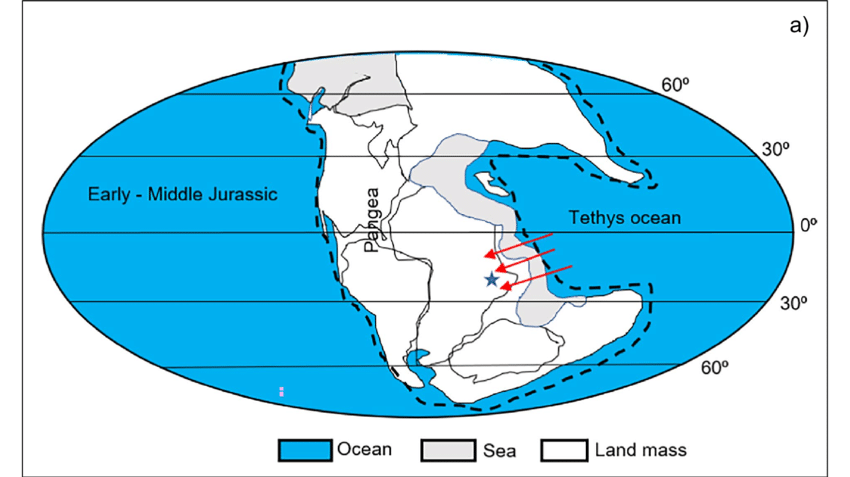
Transient Landmass or Full-Fledged Supercontinent?
Questions about Pannotia’s reality began surfacing about 25 years ago when technological advancements enabled more accurate rock dating and the tracking of ancient continental shifts. A study published in Earth-Science Reviews, led by R. Damian Nance, a former proponent of Pannotia, originally presented strong fossil and geological support for the supercontinent.
However, as dating methods refined, rocks initially identified as evidence for Pannotia’s assembly turned out to be significantly younger, while other geological formations suggested to have formed after its breakup actually predated it.
These discrepancies sparked renewed skepticism. David Evans, a Yale Earth sciences professor, proposed that geological features previously attributed to Pannotia might instead represent a transitional phase in continental reorganization rather than a true supercontinent formation and collapse.
Fact or Geological Illusion?
The question of Pannotia’s existence remains open to debate. While some geologists maintain that it was a genuine supercontinent, others argue the supporting data lacks sufficient credibility to establish its place in Earth’s history.
“Cases have been made both in favor and against the reality of this supercontinent, and in many studies its existence is acknowledged,” the authors noted. “But in an increasing number of recent studies, Pannotia is either disputed, discounted, or ignored.”
Ongoing advancements in research tools empower scientists to revisit and question previous assumptions. Embracing uncertainty is vital to scientific progress, driving a deeper understanding of our planet’s past.
- Categories:
- News










0 comments
Sign in to Comment