
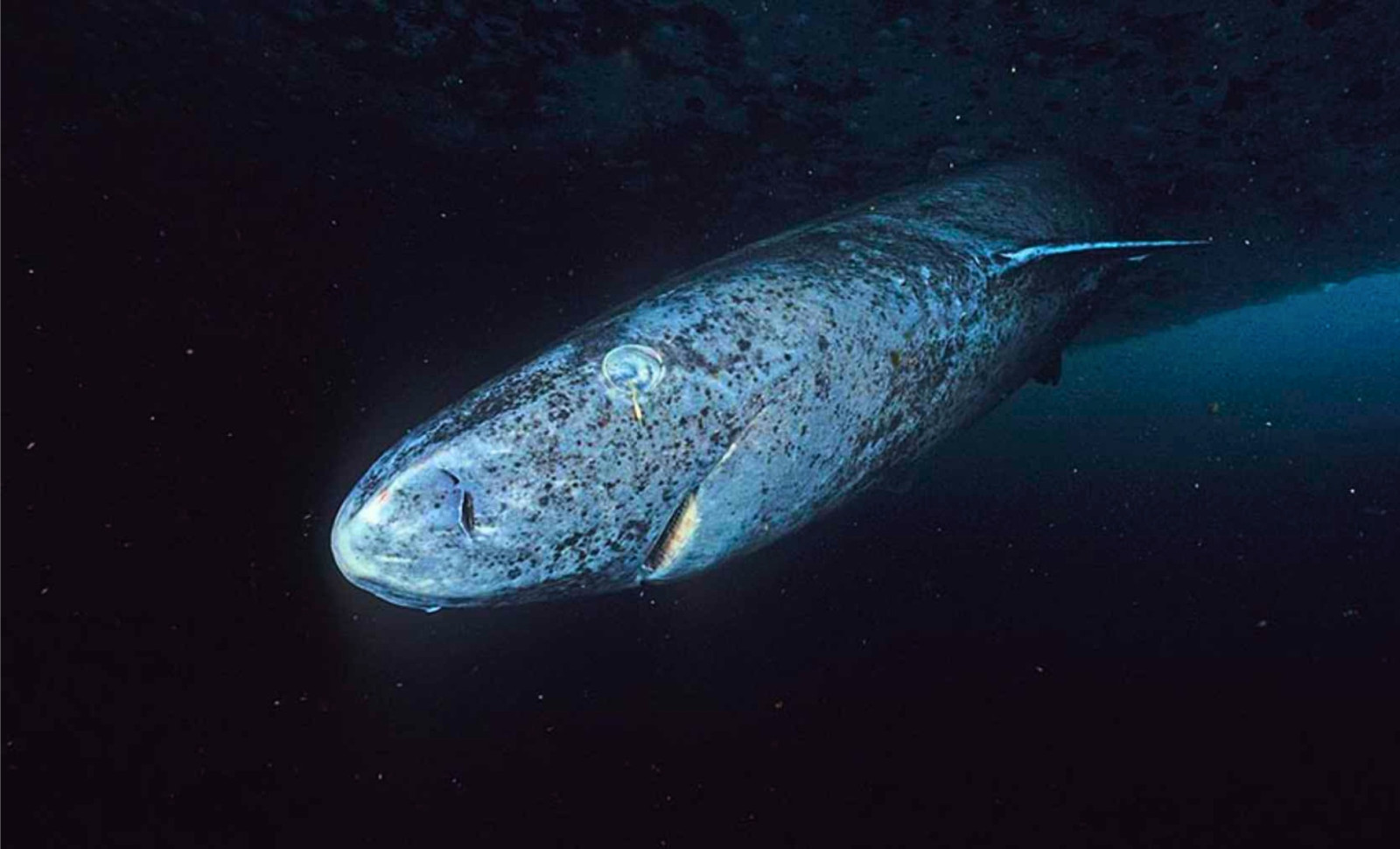
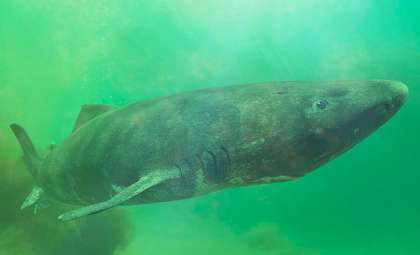
Scientists have unlocked a groundbreaking discovery in marine biology by analyzing a single protein formed before birth that has remained unchanged for centuries. This method allowed researchers to estimate that a Greenland shark lived for roughly 392 years, marking it as the longest-living vertebrate documented to date.
The shark was not specifically captured for study but was one of 28 female Greenland sharks unintentionally caught by North Atlantic fishermen. Scientists utilized these samples to apply a novel dating technique at scale, revealing astonishing longevity far beyond previous assumptions for vertebrates.
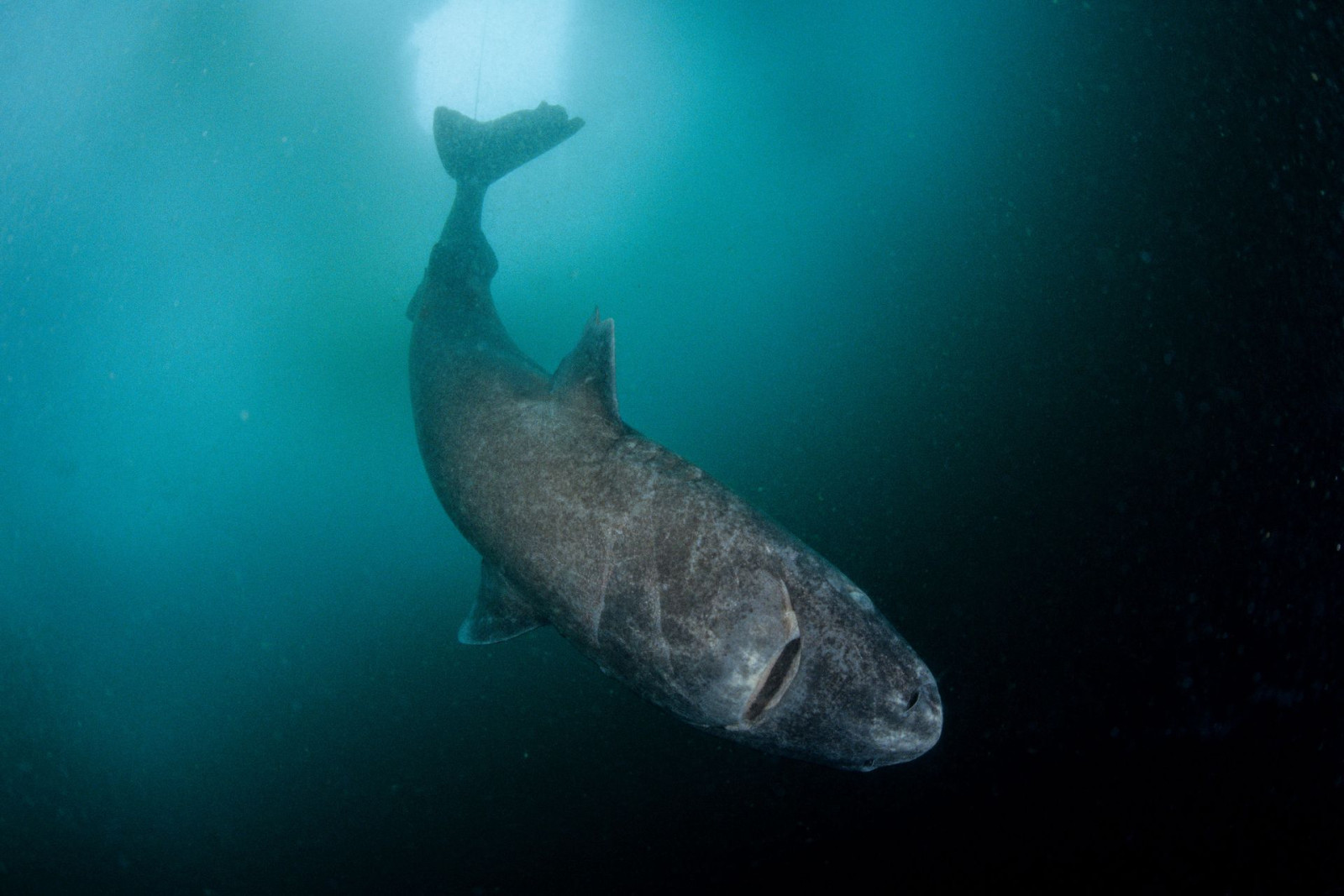
This shark’s estimated birth dates back to the early 1600s, predating the Industrial Revolution and the formation of the United States. It serves as a living testament to centuries past, offering a unique glimpse into ancient marine ecosystems.

Decoding Age Through the Shark’s Eye Lens
Determining the age of the Greenland shark (Somniosus microcephalus) presents unique challenges since their vertebrae lack the firm growth rings typically used for aging fish. Instead, growth rates suggested slow progression—under one centimeter per year—combined with their large size, sometimes over six meters, provided limited clues.
The breakthrough came from examining the eye. Layers of proteins in a shark’s eye lens form during embryonic development and remain unaltered throughout life. Because these proteins embed carbon from the environment at the time of formation, and atmospheric carbon-14 levels have fluctuated predictably over centuries, scientists can accurately date when these proteins were formed.

As detailed by NOAA Fisheries, scientists extract the central layer of the eye lens to isolate original proteins for radiocarbon analysis. This inner core provides the oldest biological timestamp within the shark.
In this pivotal study, the largest shark—about five meters long—was estimated to be between 272 and 512 years old, centering around 392 years. Published in Science, these radiocarbon dates include uncertainty ranges, yet even the minimum age surpasses all known vertebrate lifespans.
Reaching Adulthood Takes Over a Century
This research has critical implications for Greenland shark conservation. These sharks likely don’t reach reproductive maturity until they’re older than 100 years, based on their slow growth and size at sexual maturity.
Every mature shark lost from the population jeopardizes future generations, as the species cannot replenish quickly. Sharks caught before reaching maturity—such as at 80 years old—haven’t yet contributed offspring, impacting population sustainability.
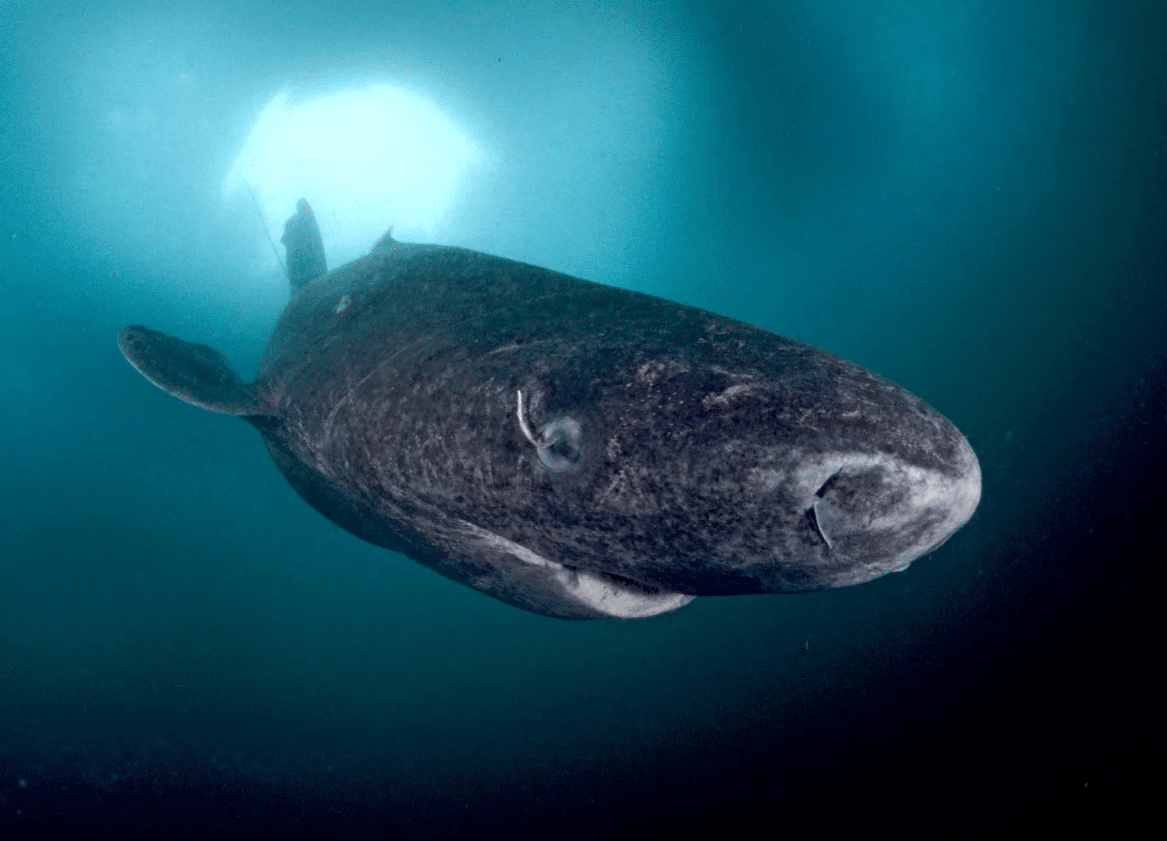
While historically hunted for liver oil, the National Oceanic and Atmospheric Administration reports most current catches occur as accidental bycatch, highlighting the urgent need for bycatch reduction measures to protect the species.
Adapting to some of Earth's coldest and deepest marine habitats—venturing as deep as 2,200 meters and remaining in Arctic Ocean waters year-round—the Greenland shark’s low metabolism suits the icy, oxygen-poor environment. This slow pace likely minimizes cellular damage, contributing to its extraordinary lifespan and sluggish behavior.
A Giant Genome May Hold Clues to Longevity
In September 2024, researchers released the first full genome sequence of the Greenland shark. The University of Copenhagen detailed the collaborative effort, involving teams from the Fritz Lipmann Institute on Aging, Ruhr University Bochum, Scuola Normale Superiore, and others.
The shark’s genome spans roughly 6.5 billion base pairs—double the size of the human genome—and represents the largest shark genome sequenced thus far. Assembling this massive dataset required advanced computational techniques, placing it among a select group of large animal genomes.
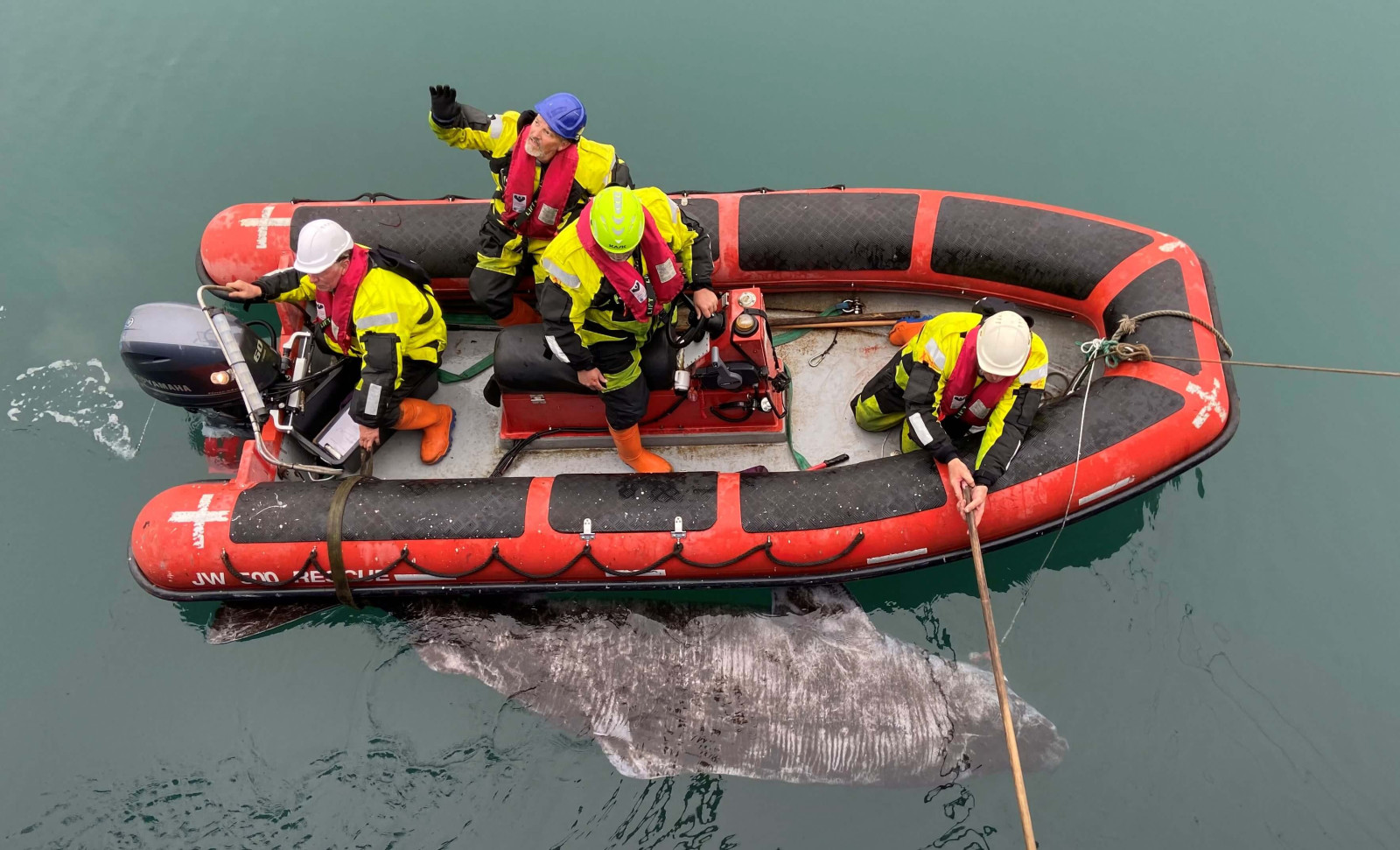
Initial analyses suggest the shark’s enhanced DNA repair systems likely play a role in its longevity. The genetic machinery responsible for fixing DNA damage appears more robust than that of shorter-lived animals. Computational biologist Steve Hoffmann emphasized the genome’s importance as a foundational resource for aging research, with the data made accessible for continued investigation.
Active Predators Despite Their Slow Pace
Although Greenland sharks are known for their slow movement, they are far from passive. Research in Frontiers in Marine Science studied their dietary habits from juveniles measuring 81 centimeters to adults reaching 474 centimeters, using stomach content analysis and stable isotope techniques from muscle tissue.
Smaller sharks mostly consumed squid and lower-level prey, while larger individuals preyed on seals, sizeable bottom-dwelling fish, and swift swimming species. Isotope data validated that their trophic status rises with size, confirming an adaptive hunting strategy as the sharks mature.
The study concluded that adult Greenland sharks engage in active predation of fast, agile seals and large fish. The University of Copenhagen notes that the genome data remains publicly available, with ongoing analysis continuing to reveal the shark’s mysteries.
- Categories:
- Science






0 comments
Sign in to Comment