
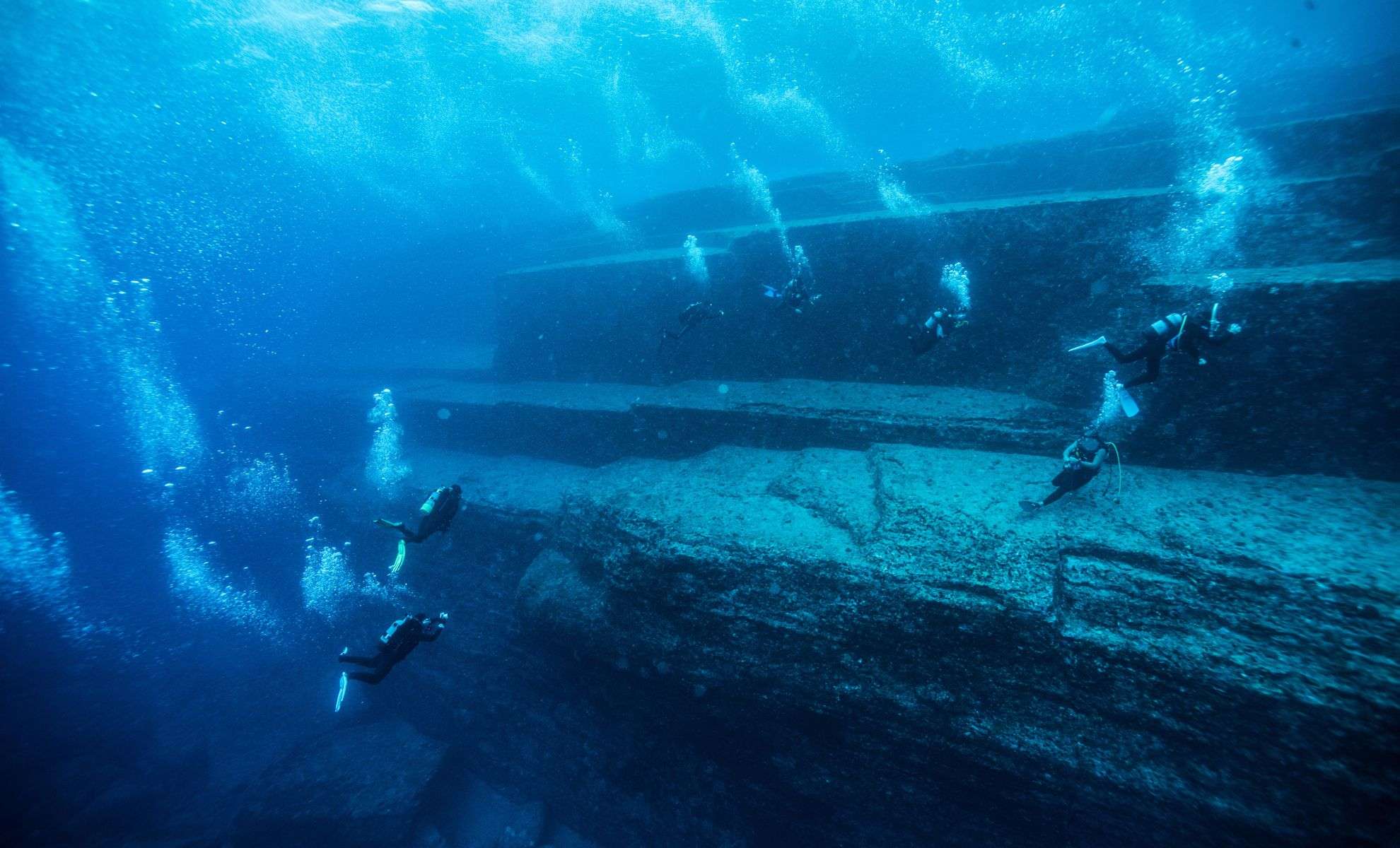
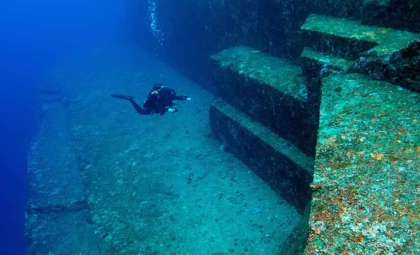
Beneath the clear waters surrounding Japan’s Ryukyu Islands lies an extraordinary formation that sparks debate among experts. Known as the Yonaguni Pyramid, this underwater structure first came to light in the mid-1980s when diver Kihachiro Aratake encountered it. Unlike typical natural rock shapes, this formation features expansive flat terraces, precise angles, and step-like features that suggest intentional design.
Challenging Conventional Views of History
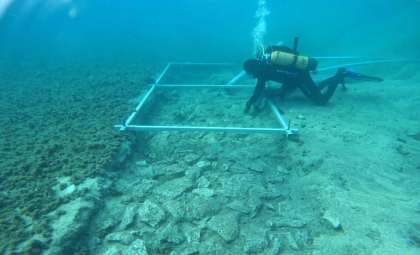
Discovered in 1986 near Yonaguni-jima, this formation lies approximately 25 meters below the ocean surface. It spans about 150 meters in length and rises nearly 27 meters tall—an impressive size that raises questions about its origin. Its architectural-like appearance includes massive stone layers, clean-cut edges, and apparent staircases slicing through different levels, leading some to speculate it might be remnants of an ancient temple or city.
Visitors diving at this site often recount feelings ranging from amazement to skepticism. While some perceive the structure as a submerged archaeological relic, others attribute it to natural geological forces creating unusual shapes underwater.

Scientific Exploration of the Mysterious Ocean Formation
One of the leading figures investigating the Yonaguni structure is marine geologist Masaaki Kimura from the University of the Ryukyus. Kimura argues that the site exhibits "distinct indications of human craftsmanship." He estimates the formation could date back over 10,000 years, potentially predating the last Ice Age when sea levels were much lower.
Kimura suggests the presence of carved features, roads, and ceremonial grounds embedded in the structure. "This monument transcends mere natural formation," he states, proposing that it might represent an ancient civilization now submerged beneath the sea.
Contrasting views come from other experts who attribute the pyramid-like appearance to natural fracturing and erosion processes. The local seabed, composed of sandstone and mudstone, naturally fractures along straight lines due to tectonic activity and ocean currents. These explanations argue that such geological forces alone are sufficient to produce the monument’s architectural look without needing to invoke lost human cultures.
Enduring Tales Beneath the Waves
Those who dive at the Yonaguni Pyramid often recount a captivating mixture of wonder and doubt. While many envision swimming through the ruins of an ancient city, others interpret the formation as a remarkable example of nature’s sculpting power.
Some enthusiasts imagine the site as a ritual platform or a sacred ground occupied by early peoples before it was engulfed by rising seas. This concept evokes a poignant glimpse into a vanished epoch, where human stories are etched only in stone beneath the ocean.
Advanced Imaging Reveals More, Yet Mystery Remains
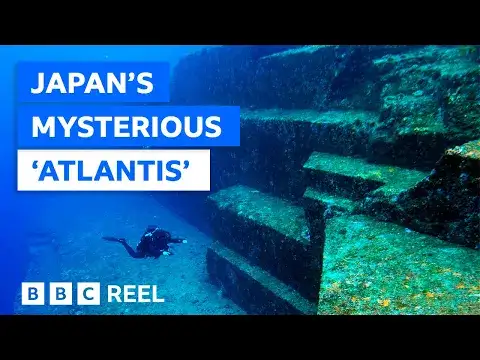
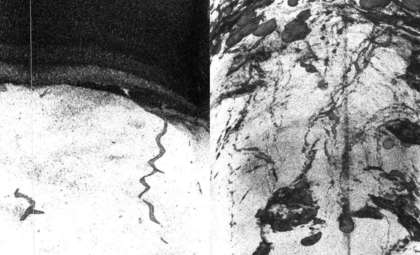
Recent advances in technology, including sonar imaging and remotely operated underwater vehicles, have provided unprecedented detailed views of the site. The data reveal striking angular formations that reinforce the monument’s enigmatic nature. Despite clearer visualization, the debate perseveres, with each scan deepening rather than resolving the enigma.
Today, the Yonaguni monument rests silently beneath the sea, a point where geology meets legend. Divers continue to explore its sharp edges, while scientists remain divided on their interpretations. Whether the creation of natural forces or the legacy of a lost civilization, the ocean preserves its secret—and remains reluctant to reveal its truth.
- Categories:
- News



0 comments
Sign in to Comment