
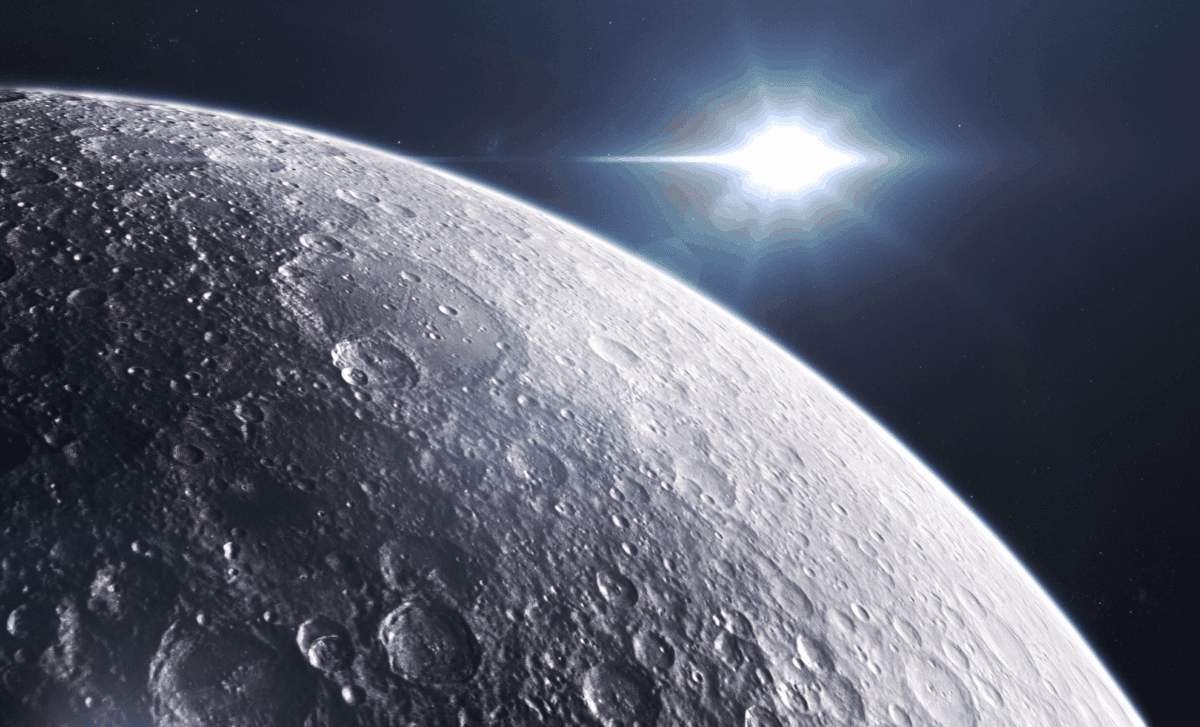
For years, scientists have been intrigued by a mysterious cloud of lunar dust exhibiting an uneven pattern above the moon’s surface. Recent research featured in the Journal of Geophysical Research: Planets proposes that drastic temperature swings between the moon’s day and night sides could be the driving factor behind this phenomenon. Let’s explore how temperature variations and meteoroid impacts contribute to this unusual dust cloud.
Decoding the Asymmetric Dust Cloud Surrounding the Moon
Observers have long noted an invisible dust cloud encircling the moon, with an unexpected concentration skewed towards the sunlit side. This cloud results from tiny meteoroid collisions that fling lunar dust into space. Unlike typical dust clouds found elsewhere in the solar system, this lunar dust cluster shows a clear imbalance, being densest near the boundary known as the “dawn terminator,” where lunar day meets night.
This distinctive dust distribution remained poorly understood until a pioneering investigation led by Sébastien Verkercke at France’s Centre National D’Etudes Spatiales provided new insights. Their study, published in the Journal of Geophysical Research: Planets and covered by LiveScience, reveals that the moon’s extreme temperature differences between its illuminated and dark hemispheres significantly influence the cloud’s structure, advancing our knowledge of lunar dust behavior.

The Interplay of Temperature and Meteoroid Impacts on Lunar Dust
The lunar surface endures constant bombardment from meteoroids—small debris fragments hurtling through space that grind down the surface and generate dust. Given the moon’s lack of an atmosphere, these tiny space rocks strike the surface unchecked, lifting particles and forming an extensive dust cloud that reaches far above the lunar terrain.
However, scientists noticed this dust wasn’t uniformly spread. It was denser on the sun-facing side of the moon. Initially, they considered whether specific meteoroid streams were more likely to impact the illuminated side more frequently. But attention soon shifted to the moon’s remarkable thermal extremes. Daytime temperatures soar above 260°F (127°C), whereas nighttime temperatures plunge to nearly -300°F (-184°C). Such an intense temperature range exceeding 500°F (280°C) is unprecedented compared to Earth.
Verkercke’s group speculated that these temperature disparities affect how the lunar surface responds to meteoroid impacts, resulting in the cloud’s uneven distribution. Through advanced computer modeling, they simulated how dust behaves when ejected during impacts on surfaces at vastly different temperatures. Their results were striking: impacts on the warmer day side generated far more dust than those on the frigid night side.
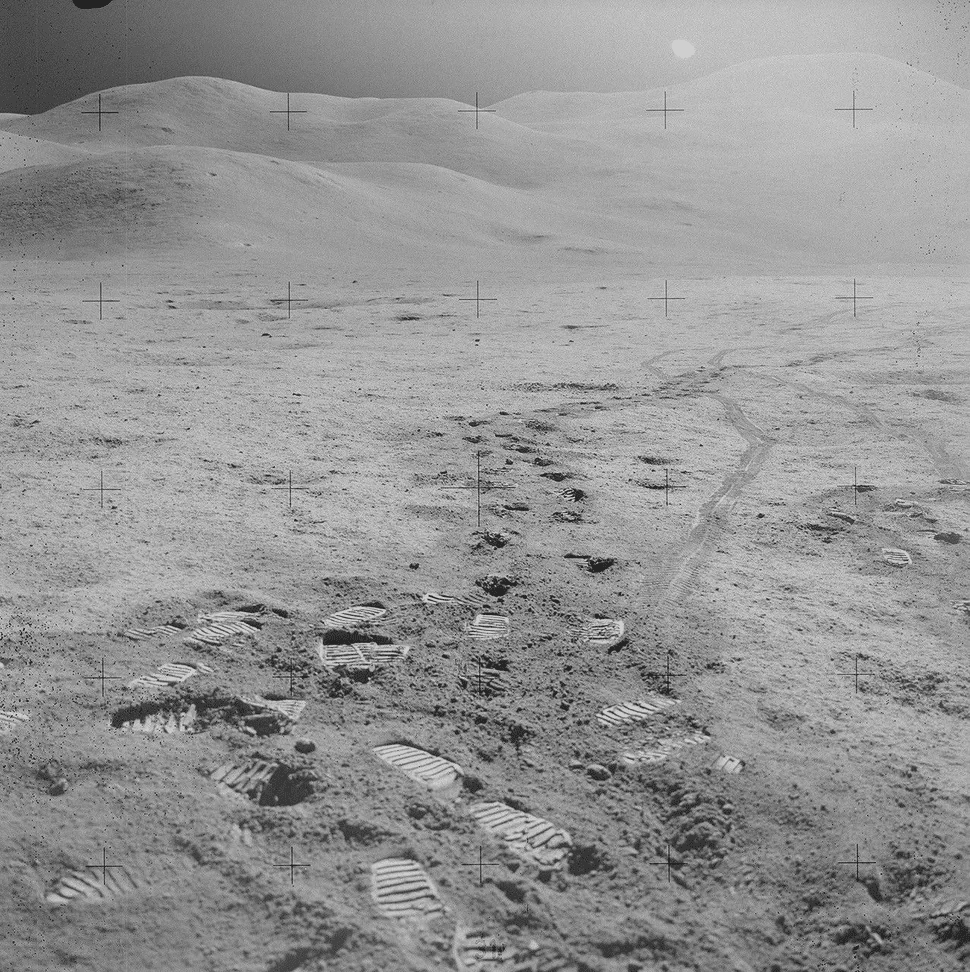
How Temperature Influences Dust Ejection
By running simulations, the team uncovered that meteoroid collisions on the moon’s warm surface release significantly more dust. As Verkercke explains,
“The ejected dust grains are then individually tracked to monitor their distribution in space.”
This means dust produced during daytime impacts ascends to higher altitudes, sometimes detectable by lunar orbiting satellites. Conversely, dust from nighttime collisions stays nearer to the surface due to the colder environment.
The models also revealed that warmer conditions boost the quantity of dust lofted into space, whereas cooler temperatures suppress dust ejection. Furthermore, the physical compactness of the surface influences dust production: impacts striking looser, fluffier regolith yield less dust, while collisions on denser terrain create more substantial dust clouds.
- Categories:
- Space




0 comments
Sign in to Comment