
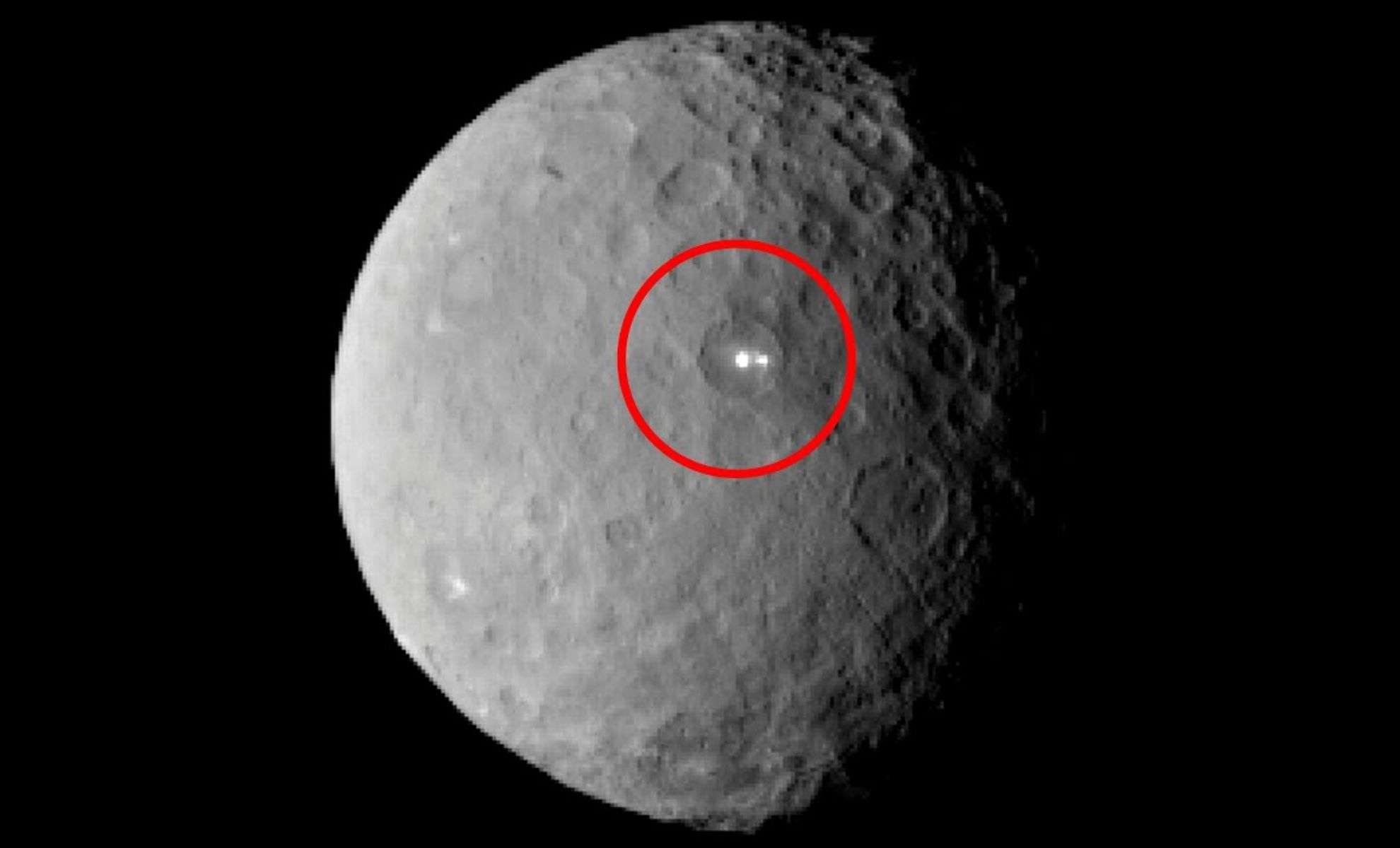
For centuries, observers have reported brief glimmers and faint glows flickering across the moon’s surface. These events, termed transient lunar phenomena (TLPs), continue to challenge and intrigue astronomers today.
While some flashes vanish almost instantly, others linger for minutes or even hours, as described in historical accounts. Several explanations have been proposed, yet many aspects remain elusive. What exactly causes these lunar illuminations?
Although the moon appears motionless and quiet from Earth, recent technological advancements in imaging and continuous observation reveal a more dynamic environment. Initiatives like the NELIOTA project, supported by the European Space Agency, have provided valuable data on these elusive flashes and their origins.

Impact Events Trigger Brief Lunar Glows
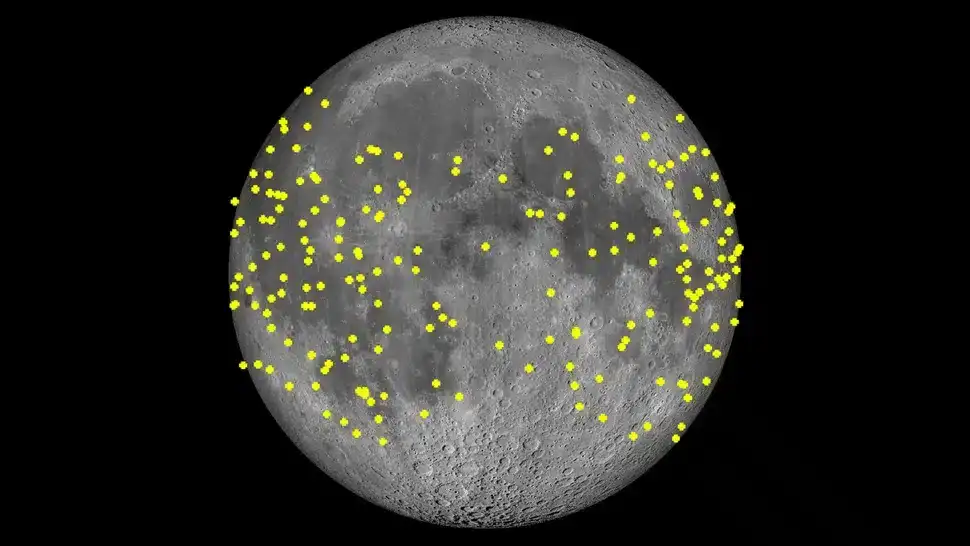
The briefest of TLPs, those fleeting sparks, are generally linked to meteoroid impacts on the lunar surface. When a space rock roughly the size of a billiard ball or larger strikes the moon, the immense energy can heat the surface material, causing it to emit a momentary glow visible from Earth with the right equipment.
According to Masahisa Yanagisawa, a specialist in this field, the theory that meteoroid collisions create such flares had been suspected for years but was definitively proven in the 1990s. Advanced high-speed camera technology enabled recording these transient flashes in real time. Multiple observing stations ensured the authenticity of these events by confirming simultaneous detections.
Since then, the NELIOTA project has documented close to 200 verified lunar impact flashes. Although many have been spotted near the Oceanus Procellarum region, project scientist Alexios Liakos notes this is due to observational focus rather than impact frequency. A 2024 collaborative study indicates meteoroids strike the moon’s surface fairly uniformly.
Radon Gas Escapes Create Extended Glows
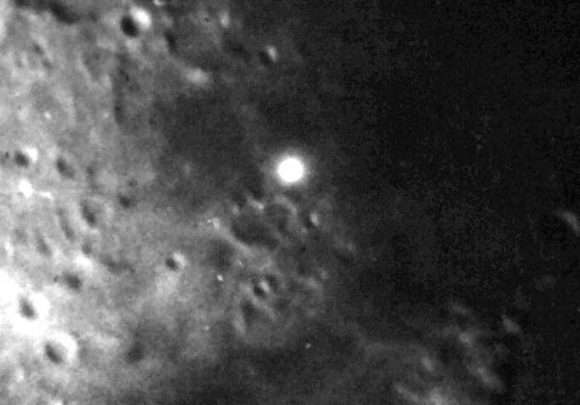
The European Space Agency explains that some longer-lasting lunar glows may originate from radon gas emissions beneath the surface. Research conducted in 2008 and 2009 proposed that moonquakes can release pockets of radon, a radioactive gas. As the radon decays, it emits a faint glow perceptible from Earth.
These glowing events frequently coincide with regions richer in radon, reinforcing the notion that they arise from the moon’s interior rather than mere surface phenomena. Though not volcanic activity, this process highlights that the moon retains some internal dynamism.
Live Science regards such gas releases as a credible explanation for medium-duration TLP sightings, suggesting the lunar interior is more active than previously understood.
Decoding the Long-Lasting Lunar Lights
Some TLP reports describe illuminations persisting for multiple hours. The most notable occurred in 1787 when William Herschel observed a bright glow on the moon’s far side throughout an entire night. Such observations have fueled extensive scientific discussion.
A 2012 hypothesis proposes that solar wind particles from the sun could electrically charge fine lunar dust, elevating it into towering clouds reaching up to 100 kilometers. These airborne dust layers might bend and scatter starlight, producing the effect of a glowing moon surface.
However, not all experts are convinced. Alexios Liakos, who has monitored the moon’s night side since 2017, states that he has never observed any flashes lasting beyond a few seconds. He further explains that longer-duration sightings are often caused by satellites passing across the lunar disk, rather than genuine lunar events.
While rapid flashes and radon-related glows have grounded scientific explanations, the extended light phenomena still puzzle researchers and might be optical illusions or mistaken identifications. One certainty remains: every lunar light is a window to deeper lunar mysteries deserving closer examination.
- Categories:
- Space





0 comments
Sign in to Comment