
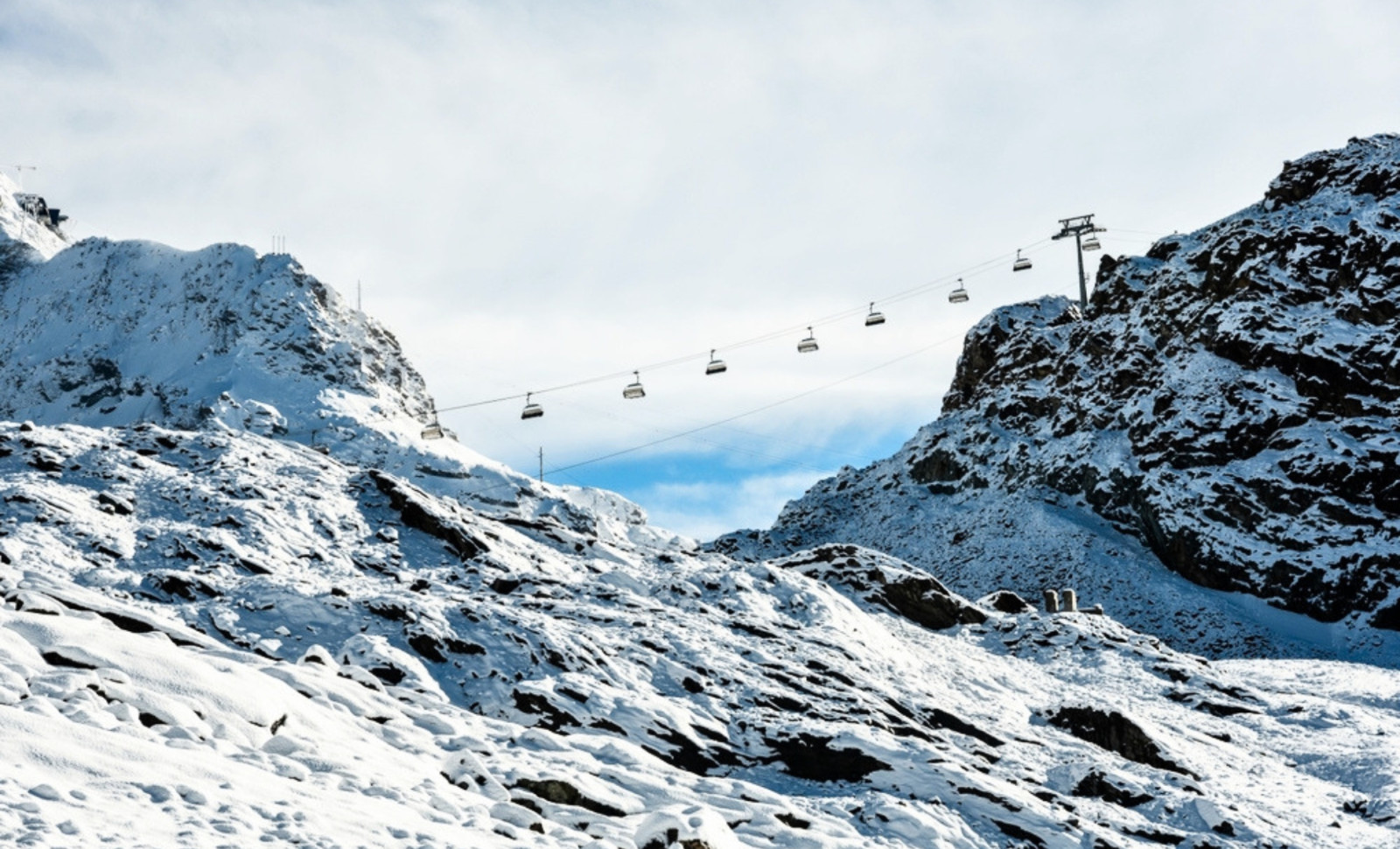
An intriguing research initiative in Italy is inviting healthy individuals to reside at an elevation of 2,300 meters within Stelvio National Park for a duration of four weeks. Participants will be provided with complimentary lodging and meals, along with a €400 financial reward for taking part in this altitude adaptation study.
Known as Mahe (Moderate Altitude Healthy Exposure), the project is scheduled from August to September 2026. Researchers aim to explore how moderate altitude affects bodily adjustments, a subject less examined compared to extreme high-altitude studies set above 3,000 or 4,000 meters.
Insights Into the Research Focus
Experts at Eurac Research will track a variety of physiological factors during the one-month stay as volunteers at a mountain refuge. Key areas include respiratory and cardiovascular function, metabolic changes, sleep quality, appetite regulation, and physical performance.

This investigation addresses a notable research gap. Globally, roughly 200 million inhabitants live at altitudes exceeding 2,000 meters, with many more visiting these heights for leisure. However, most altitude-related studies concentrate on elevations over 3,000 meters, where bodily responses differ significantly.
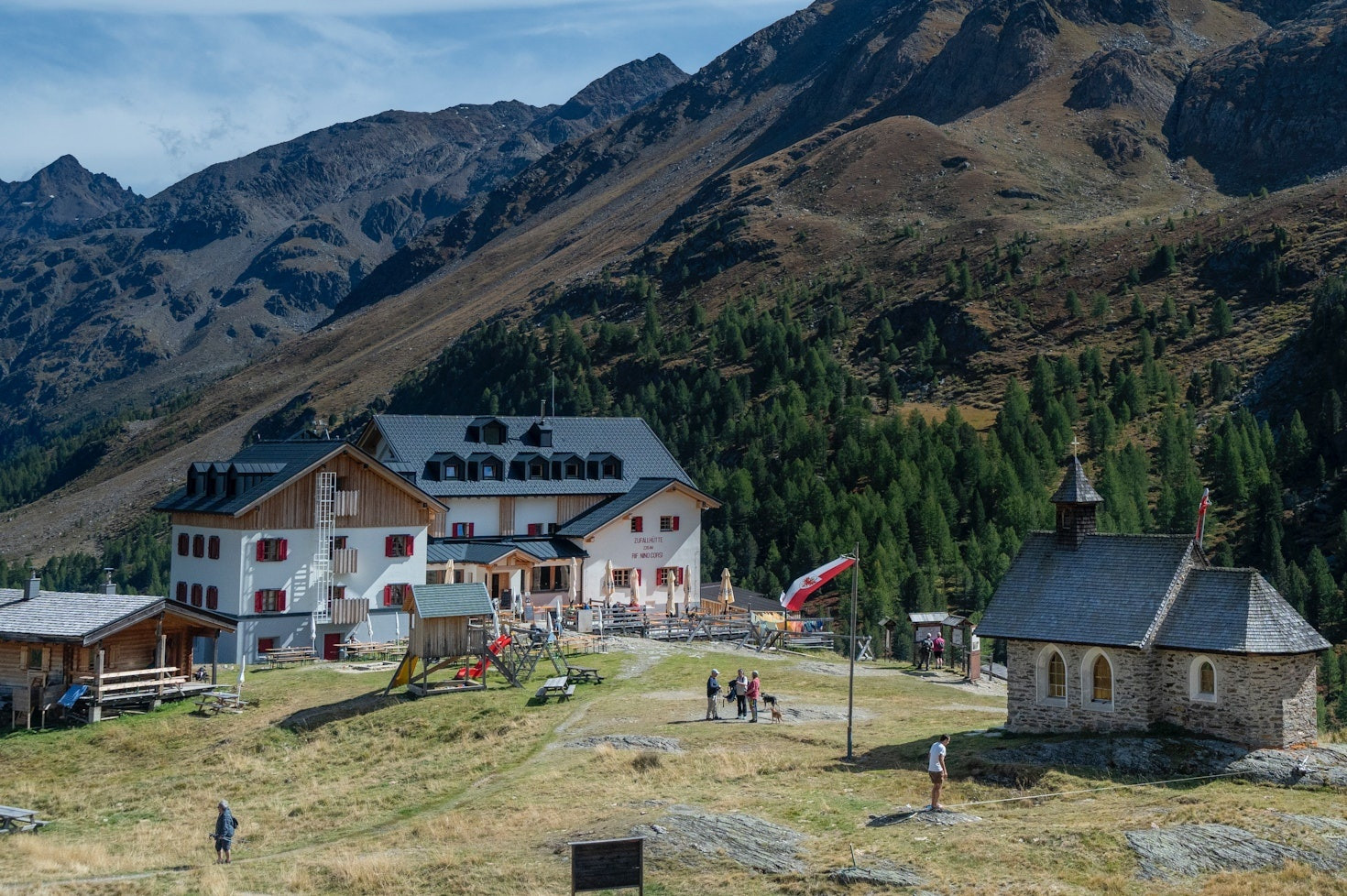
At an altitude near 2,300 meters, the physical changes may be less pronounced but impact a far larger population. The goal is to establish foundational data on health effects at moderate altitude, information that is largely absent to date.
Eligibility and Requirements for Participants
The study calls for healthy men and women aged between 18 and 40. Certain criteria disqualify individuals, including chronic medical conditions, heavy alcohol use, smoking, drug consumption, or engaging in intense physical training more than twice a week.
Additionally, volunteers must not have spent time at elevations above 1,500 meters for at least a month prior to the project’s start, ensuring a standard low-altitude baseline for data accuracy.
The research protocol consists of three stages: an initial one-week period in Silandro (720 meters) for baseline measurements, followed by a four-week stay at the Nino Corsi refuge situated at 2,300 meters, and concluding with a one-week follow-up evaluation in Bolzano.
Blend Work and Science Amid Alpine Scenery
While residing at the refuge, participants have the flexibility to spend their time as they choose. The project explicitly supports remote working in the alpine setting, plus options to study or simply unwind among the mountains. The €400 allowance helps cover incidental costs, with all lodging and meals provided at no charge.
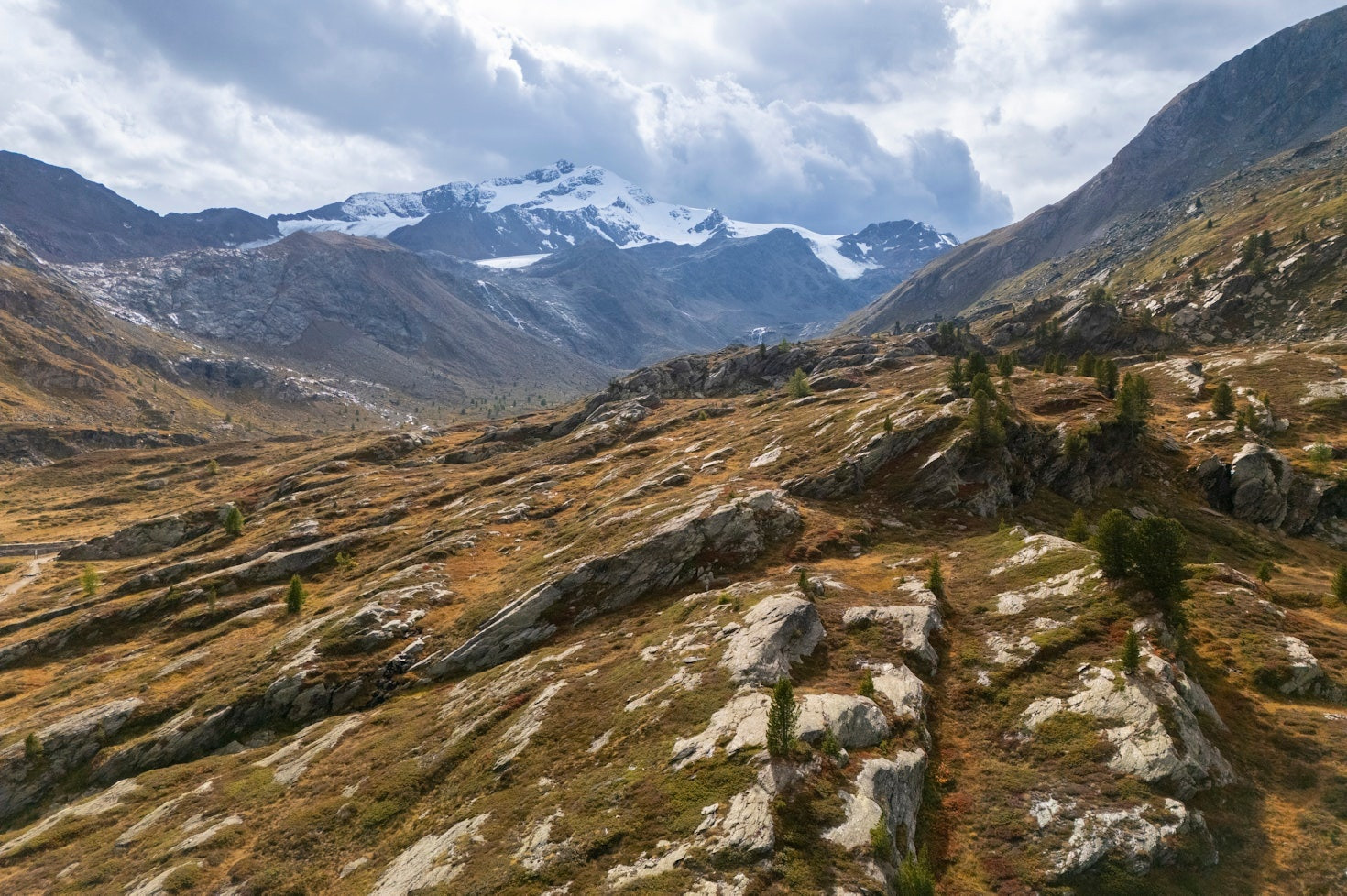
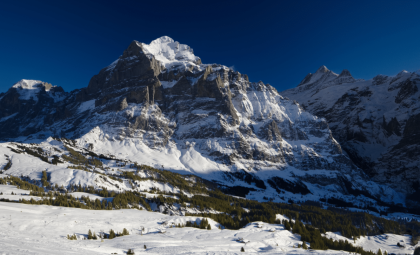
The Nino Corsi mountain shelter lies within Stelvio National Park, one of Italy’s largest nature reserves. This extensive park bridges Lombardy and Trentino-Alto Adige and covers diverse landscapes from forest valleys to eternal snowcaps.
For those interested in an extended alpine experience, this program offers a unique opportunity by eliminating accommodation and food expenses while contributing to scientific knowledge. Participants should be aware that consistent health monitoring means this isn’t a simple vacation, but a commitment to ongoing data collection is essential.
The Importance of Studying Moderate Altitude Responses
The human body reacts to increased altitude by boosting respiration, elevating heart rate, and increasing red blood cell production. While extreme altitudes can pose health risks, moderate elevations may trigger milder, potentially positive effects for certain health conditions, though further research is necessary.
The Mahe study aims to generate rigorous data on how typical healthy individuals (excluding endurance athletes and altitude specialists) adapt to a month-long stay at 2,300 meters. The exclusion of heavy trainers ensures findings reflect general population responses.
Applications for the August–September 2026 session are now open. Interested candidates should reach out to Eurac Research directly. Due to high traffic on the official page, early contact is recommended. The study will be conducted once with a limited number of participant spots, and results are slated for publication in peer-reviewed scientific journals after analysis.
- Categories:
- News











0 comments
Sign in to Comment