
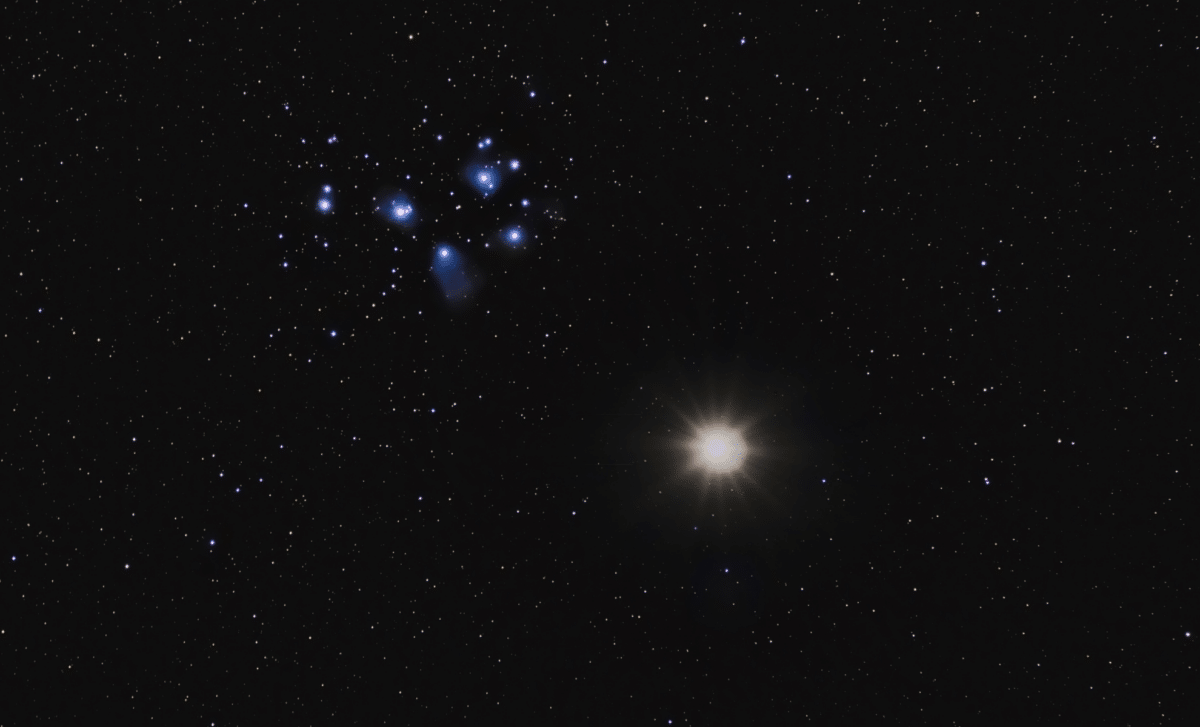
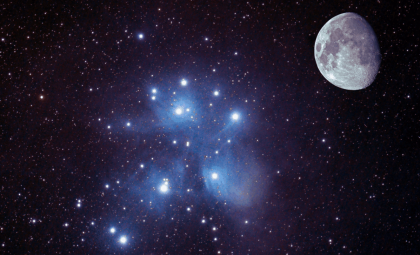
The night sky promises a spectacular display on February 23, 2026, as the moon draws near the Pleiades star cluster, creating a stunning celestial pairing. As noted by Space.com, this event offers stargazers in North America a rare chance to observe the moon glowing just a degree away from the iconic cluster, celebrated for its distinctive “mini-dipper” configuration.
The Pleiades: An Iconic Star Cluster to Admire
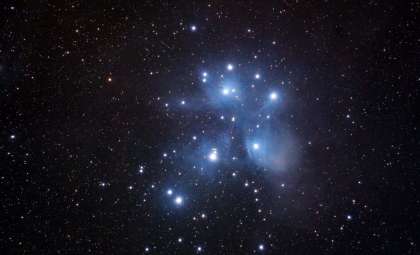
The Pleiades star cluster, or M45, stands out as one of the night sky’s most recognizable features. Its compact grouping of stars forms a pattern that’s easy to spot and has captivated cultures worldwide for millennia. Revered in myths and stories, it’s famously nicknamed the “Seven Sisters”, symbolizing unity and familial bonds.
Though the cluster’s name suggests seven stars, most people can visually identify only six without aid. Yet, using binoculars or telescopes reveals hundreds of stars tightly packed in this cluster, located roughly 444 light-years from Earth. This proximity makes the Pleiades an attractive and accessible target for both seasoned astronomers and casual observers.

What the Sky Will Show on February 23, 2026: Moon Meets Pleiades
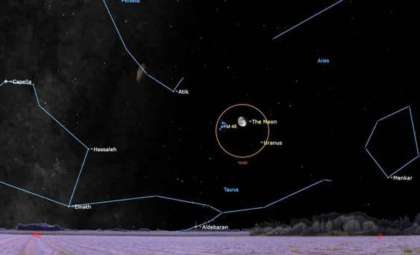
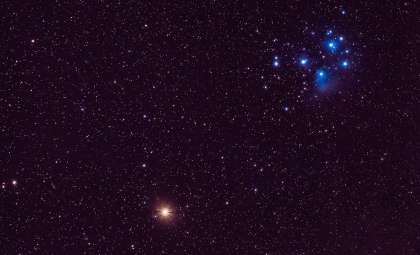
On this evening, the moon will approach the Pleiades closely, resulting in a captivating sight. As night falls, look for the nearly first-quarter moon glowing brightly in the southern sky. Just beside it, the soft glow of the Pleiades should be visible, albeit partially subdued by the moon’s brilliance.
Per Space.com, the two will appear a little over one degree apart—roughly the width of an outstretched thumb held at arm’s length. Despite the moon’s radiance, the primary stars of the Pleiades will remain in view, offering a perfect moment for skywatchers to enjoy one of the most famed stellar clusters.
Why This Event Is a Must-See for Sky Enthusiasts
Though the Pleiades star cluster can be spotted year-round, its close proximity to the moon during this event makes it especially easy to find. In urban environments affected by light pollution, this pairing provides a handy guidepost in the night sky. Additionally, it’s an ideal occasion for newcomers to practice using telescopes or binoculars to observe star clusters in more detail.
More than a beautiful alignment, the Pleiades cluster has intrigued scientists for centuries. Estimated to be around 100 million years old, it contains stars younger than our sun and formed from collapsing gas and dust. This continuous star formation makes it a key object of study in astronomy.
Hints for Optimal Stargazing Tonight
To enhance your viewing experience, find a spot with a clear southern horizon, avoiding streetlights and other sources of light pollution. Allow your eyes time to adjust to the darkness, which will improve your chances of spotting the Pleiades’ fainter stars.
Using binoculars or a small telescope will reveal the cluster’s individual stars more clearly, but even without equipment, the close pairing of the moon and Pleiades will make for an impressive sight visible to the naked eye, even in less-than-ideal conditions.
Understanding the Science Behind the Moon-Pleiades Encounter
Beyond the visual appeal, the moon’s proximity to the Pleiades results from its orbital path intersecting the cluster’s location in the sky. This natural motion occurs as the moon circles Earth, occasionally aligning closely with various celestial objects. Although the moon’s brightness can overpower some of the cluster’s dimmer stars, this alignment presents a unique chance to explore lunar orbit dynamics and its interaction with background stars.
- Categories:
- News



0 comments
Sign in to Comment