
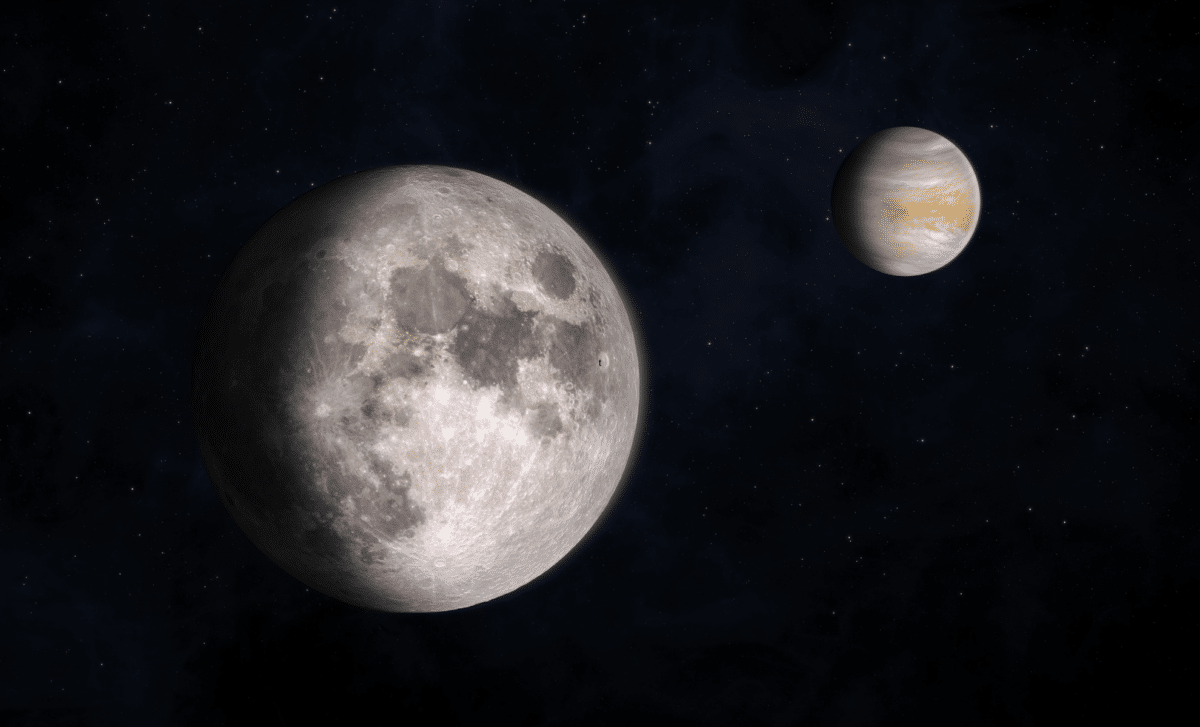
On December 7th, stargazers are invited to witness a captivating event as the Moon makes its way across the evening sky alongside the radiant Jupiter. NASA’s December 2025 skywatching guide highlights this uncommon alignment as a must-see moment for astronomy enthusiasts. Here’s what to know about this celestial spectacle and tips on how to best enjoy it.
A Dazzling Night: The Moon and Jupiter in Close Proximity
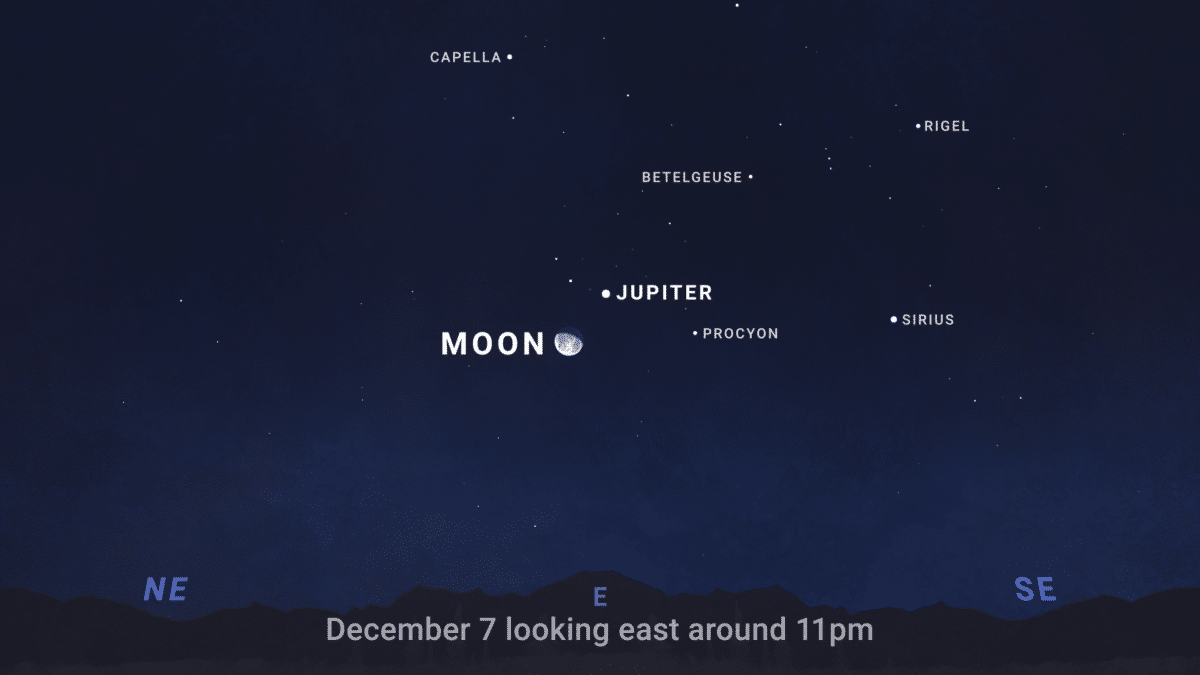
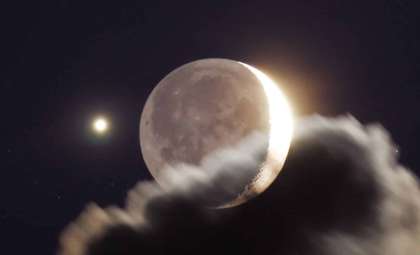
As the evening of December 7th unfolds, observers will be treated to a remarkable astronomical sight. A conjunction happens when two objects in the sky, like the Moon and Jupiter, seem to sit near each other when viewed from Earth, despite being separated by immense space distances. That night, the Moon will rise in the east and traverse the sky with Jupiter shining just nearby.
Visible without any optical aids, this conjunction provides an excellent opportunity for people without telescopes to enjoy the night sky. The Moon and Jupiter will glow brilliantly, with the gas giant’s intense luminosity making it particularly easy to distinguish, even amidst city lights. The pair will remain visible well into the night, offering plenty of time for viewing.

The Mechanics Behind the Conjunction
While this conjunction might seem extraordinary, such alignments occur somewhat frequently due to the orbital paths of the Moon and Jupiter. Jupiter’s slow orbit around the Sun contrasts with the Moon’s rapid orbit around Earth, causing periodic apparent closeness in the sky from our viewpoint. Although several conjunctions happen annually, this event stands out because of how near and bright both objects appear on December 7th.
In the language of astronomy, this type of alignment is called a “syzygy,” referring to moments when three celestial positions line up, such as the Sun, Moon, and a planet. However, this instance involves just the Moon and Jupiter lining up visually, creating a striking spectacle despite the vast distances between them.
Tips for Enjoying the Conjunction
This conjunction is accessible to viewers without specialized gear; simply find a spot with a clear view of the eastern sky. Both urban and rural observers can spot the Moon and Jupiter thanks to their brilliance. Using binoculars or a modest telescope enhances the experience by potentially revealing Jupiter’s four largest moons—Io, Europa, Ganymede, and Callisto—visible as small points circling the planet.
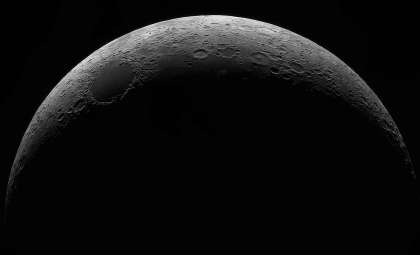
Viewing the Moon through binoculars or telescopes also offers fascinating details. The terminator line—the dividing edge between the illuminated and dark sides of the Moon—will showcase lunar craters and mountain formations with dramatic lighting. According to NASA’s December 2025 skywatching guide, even compact telescopes are sufficient to appreciate these lunar features.
Timing and Viewing Locations
The spectacular Moon-Jupiter conjunction will be observable worldwide, with appearance times depending on your geographic location. For those in the Northern Hemisphere, the pairing will rise in the east near sunset and remain visible for much of the night. The optimal window to observe is shortly after dusk before the Moon advances too far across the sky.
Observers in the Southern Hemisphere will enjoy a similarly impressive view. Although the exact orientation and timings differ slightly based on location, both the Moon and Jupiter will climb high in the night sky by evening, promising a remarkable viewing opportunity.
- Categories:
- News



0 comments
Sign in to Comment