
A routine geology trip became an extraordinary moment for 12-year-old Corbin Bullard after he unearthed ancient fossilized bones in northern Kansas. The remains belong to an 80-million-year-old Tylosaurus, a giant marine reptile that inhabited prehistoric seas once covering much of North America.
This incredible discovery has captured statewide interest, highlighting the unexpected achievements of a young geology enthusiast.
Unexpected Find of Fossil Vertebrae
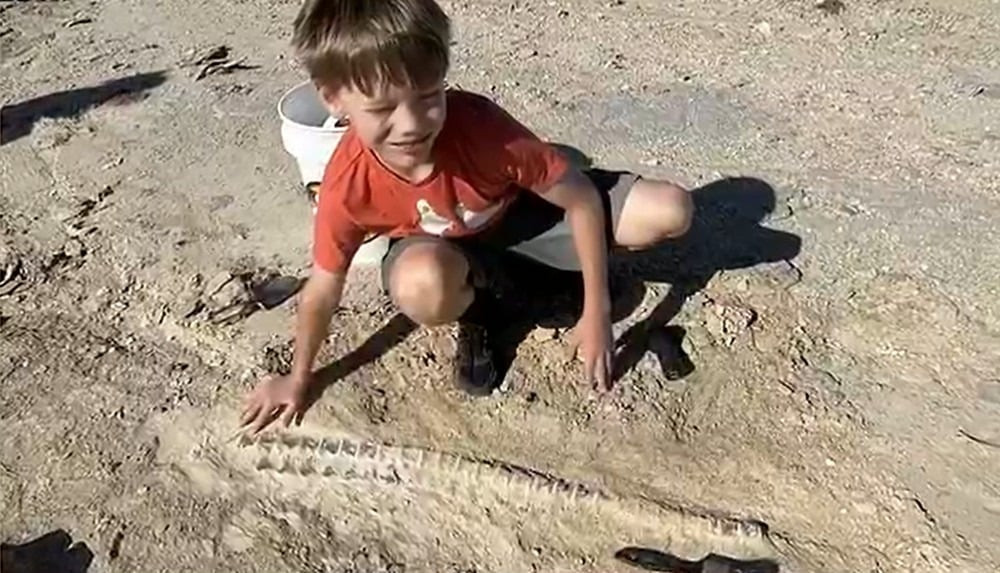
During a field trip with the Sedgwick County 4-H Geology Club, Corbin Bullard noticed something remarkable embedded in the rock. As detailed by KWCH/Gray News, the discovery was quite serendipitous.

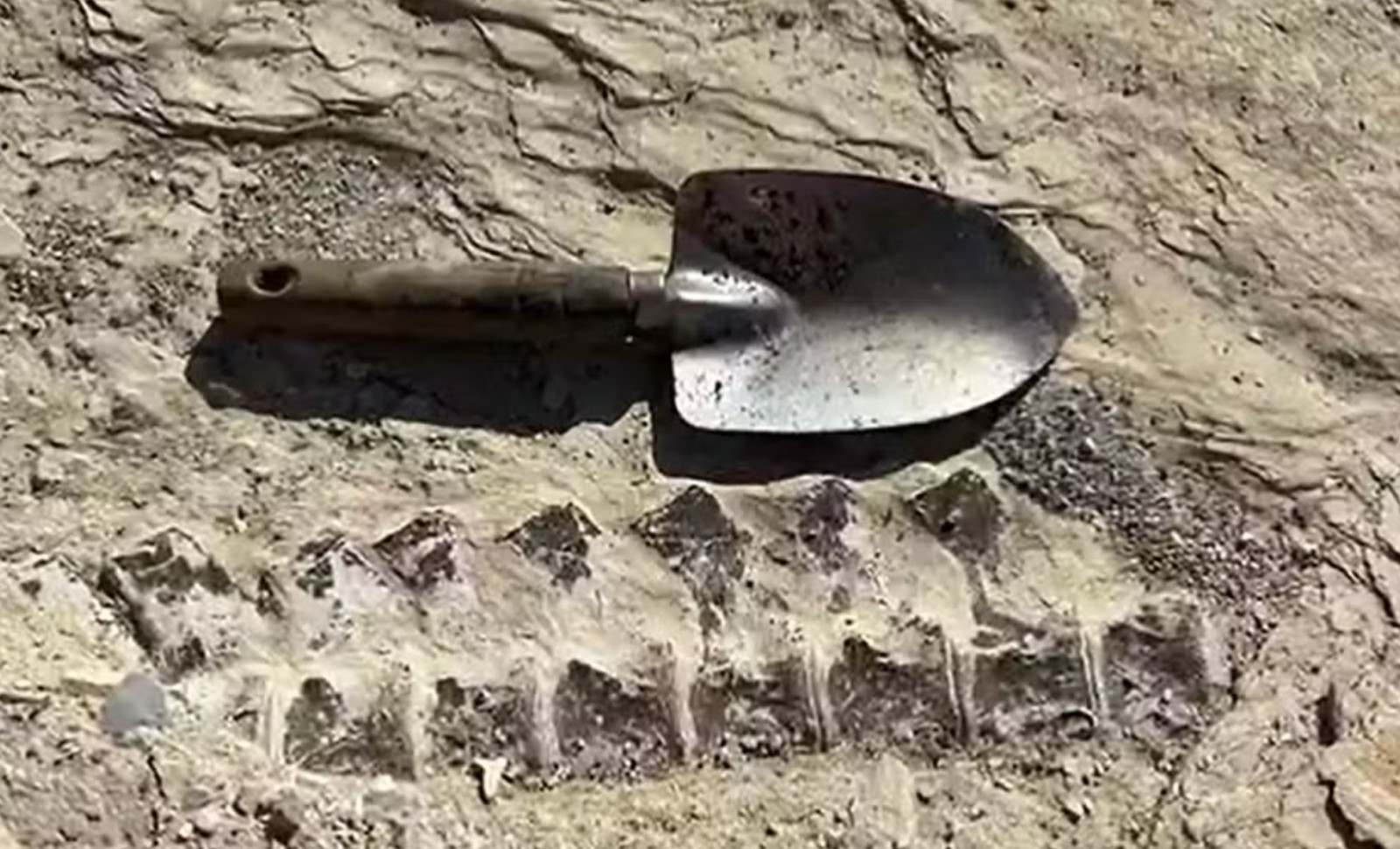
His mother, Wendy Bullard, recollected that her son's immediate reaction was simply, “Whoa.” Intrigued, others examined the scene closely and spotted what appeared to be seven or eight large vertebrae protruding from the rock formation.
“He said, ‘Whoa.’ So, we looked down and found what I think was seven or eight large vertebrae,” she said.
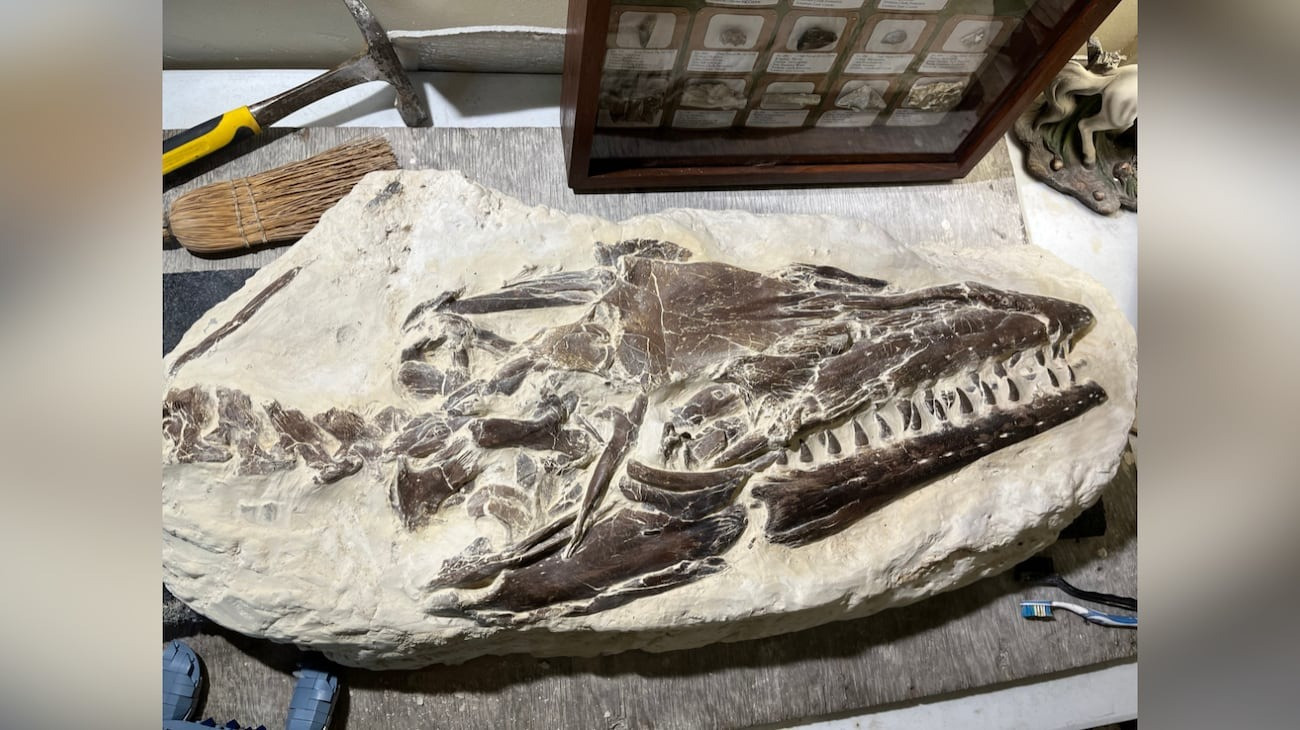
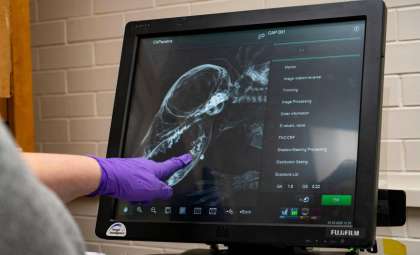
Subsequent analysis identified the bones as part of a Tylosaurus specimen dating back to the Cretaceous period. Although Kansas has yielded prehistoric fossils before, encountering such a large marine reptile during a school outing is extraordinarily rare and exciting for all involved.
A Glimpse into Kansas’s Marine Past
The discovery sheds light on an ancient world where Kansas was submerged beneath a vast sea. Contrary to popular belief, Tylosaurus was not a dinosaur but a mosasaur, a formidable marine reptile that thrived in prehistoric oceans. This predator navigated waters covering the area around 80 million years ago.
It’s surprising given Kansas’s current inland location, but during the Cretaceous, much of the central United States was underwater. Corbin summed this up plainly:
“Pretty much all of the middle of America used to be underwater.”
The Discovery Process Continues
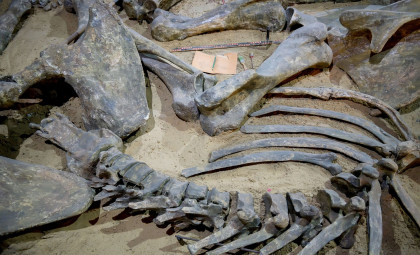
The initial finding was just the start of an extensive effort. According to KWCH/Gray News, Corbin first uncovered the fossil in September, requiring three trips to fully extract the specimen. The fossil consists of eight parts and stretches over 15 feet in length.
Since then, Corbin has dedicated himself to cleaning and preparing the fossil, spending an estimated 30 hours on the task. Those close to him have praised his commitment. Stephanie Hays, Sedgwick County 4-H agent, found the experience inspiring.
“I feel like it’s very surreal to have had this happen. I’m very proud of Corbin for sticking through it and finding everything,” she said.
Corbin plans to showcase the remarkable Tylosaurus skull this July at the Sedgwick County Fair, offering visitors a unique chance to see the remains of a marine giant that ruled the seas of ancient Kansas.
- Categories:
- Science




0 comments
Sign in to Comment