
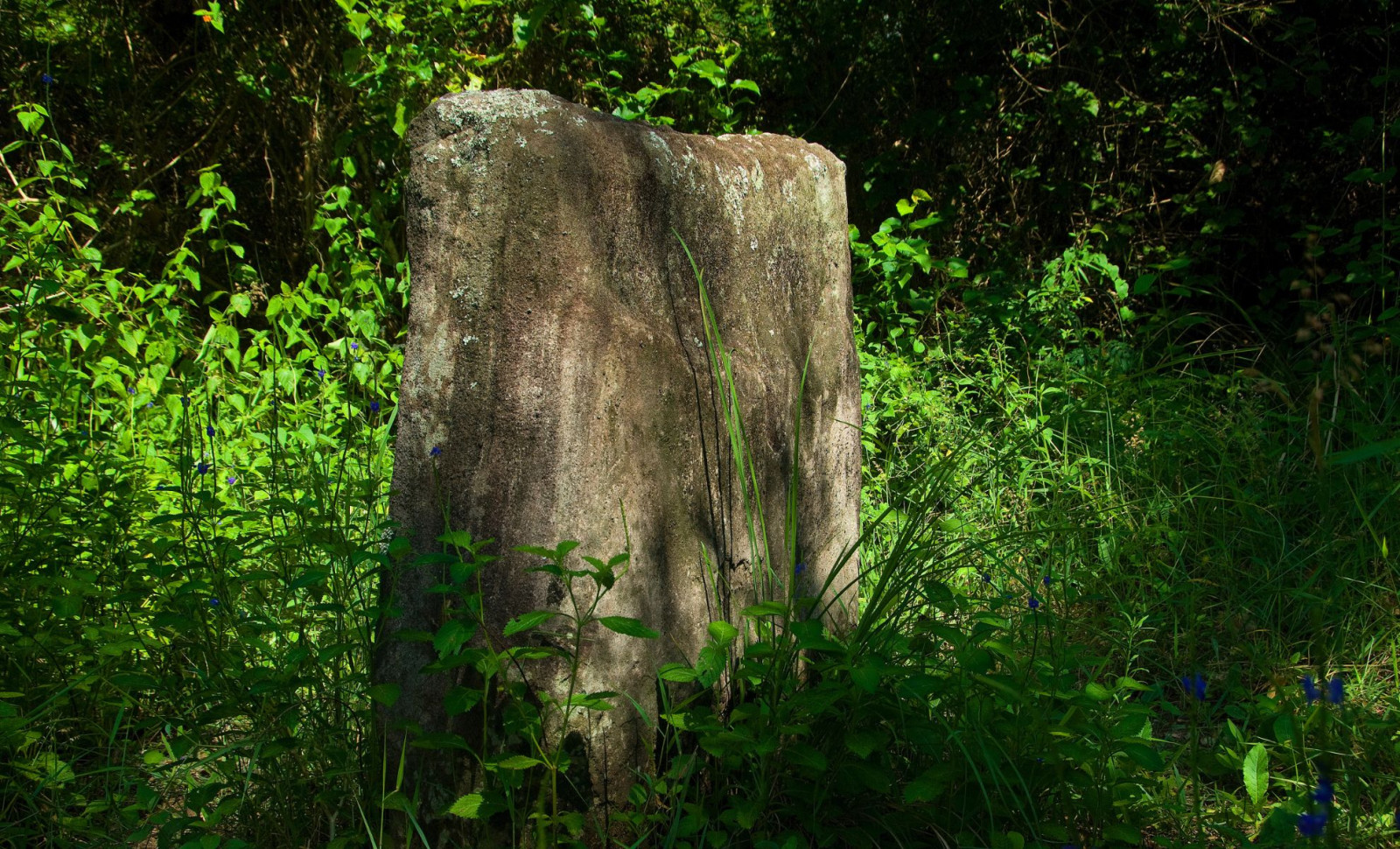
At first glance, a solitary stone found in a tranquil Derbyshire woodland seemed unremarkable. However, the curiosity of a keen student unveiled a concealed Bronze Age ceremonial site dating back nearly 3,700 years.
The Farley Moor standing stone, located in Farley Wood, was long considered an isolated monument. Despite its prominent stature and the area's richness in ancient relics, it attracted minimal scholarly attention, often dismissed as just a lone marker.
This perception changed when George Bird, a 24-year-old archaeology enthusiast, took a closer interest in the site. After exploring other nearby stone circles, he suspected there was more to this stone than met the eye. He meticulously recorded his observations and alerted experts in the field.

A Single Question Sparked a Major Discovery
George Bird regularly surveyed the local terrain, frequently incorporating stone circles into his explorations. As reported by the BBC, he wondered if additional stones might be concealed near Farley Moor. His comprehensive report was submitted to Forestry England, aiming to garner investigative interest.
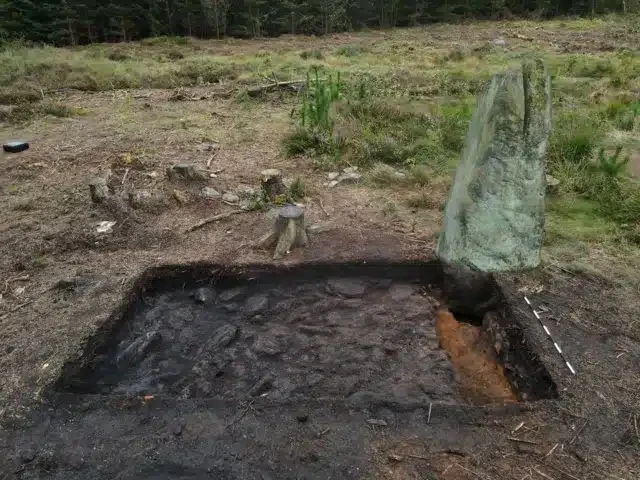
“I just couldn’t wait to get stuck in giving [the team] a hand with the excavation,” said Bird, “It’s just fantastic now finding out that this has all been confirmed, those peculiar rocks are in fact a larger monument.”
His findings prompted a collaboration between Forestry England and the archaeology show Time Team. Excavation efforts were launched with Bird joining the team onsite. According to Lawrence Shaw from Forestry England, while the standing stone was previously identified, its wider significance remained unknown until now. Bird’s intuition proved accurate.
“We were never going to do anything without George – it was his idea and he was part of the team as far as we’re concerned.” He added, “we knew that this stone was here but we had absolutely no idea of the potential for the bigger monument that we ended up discovering.”
Water-Centered Ritual Construction
Excavations surpassed expectations by revealing a stone platform positioned directly above a natural spring. This suggests a deliberate link between water and the ceremonial usage of the site.
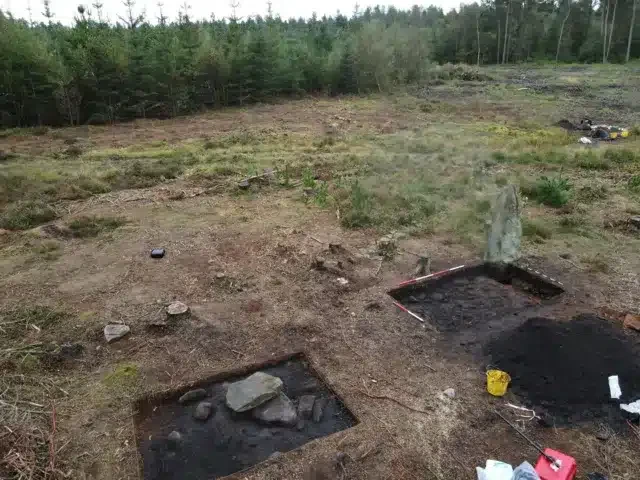
Archaeologists identified five more stones that once stood near the main monolith, together creating an oval formation approximately 82 by 75 feet in size. Forestry England describes this as evidence of an organized ritual space.
Through carbon dating, researchers date the site to around 1700 B.C.. The platform likely predates the standing stone, indicating long-term ritualistic activity at this location.
Part of a Broader Tradition
The Farley Moor discovery aligns with a widespread pattern of Bronze Age stone circles and ceremonial locations throughout Britain. Although iconic sites such as Stonehenge are well known, numerous others remain hidden within the landscape. Derek Pitman of Bournemouth University emphasized in a university press release that forested regions may conceal many more archaeological treasures.
“This project also showcases the value of investigating sites that have been hidden in the nation’s forests for the last few decades and implies a wealth of archaeology still waiting to be explored.”
The Farley Moor monument remained hidden within a frequently explored environment, highlighting how easily crucial parts of our heritage can stay unnoticed.
“By George giving us the heads-up and working with us to bring in Time Team and really get to the bottom of what’s going on here, we’re now able to manage the site as though it’s a nationally protected monument,” concluded Shaw.
Though George’s friends once teased him about his persistent weekend stone circle expeditions, these outings have ultimately contributed to rewriting Britain's ancient history.
- Categories:
- Science






0 comments
Sign in to Comment